
Monthly Report on Human Rights Violations in the Republic of Mari El and Mari people, Russian Federation
Reporting Period: January 2026
Prepared by: Liza (the name is pseudonymized for safety reasons)
Executive Summary
The human rights situation in the Republic of Mari El during January 2026 demonstrates continuing systemic patterns of governance failures, disregard for public participation in decision-making, and deterioration of essential public services. Recent developments indicate increasing centralization of administrative decision-making, weakening of environmental and land-use protections, and persistent neglect of basic municipal responsibilities affecting citizens’ quality of life.
As observed in previous reporting periods, regional governance practices continue to reflect prioritization of administrative and commercial interests over public accountability and social protections, contributing to a climate of institutional distrust and civic disempowerment.
Methodology
The findings presented in this report are based on open-source monitoring of regional media, social media publications, and statements from local residents. Where possible, multiple sources and contextual legal frameworks are used to assess potential human rights implications. The report does not claim to be exhaustive and focuses on three incidents illustrating broader systemic patterns of administrative overreach, environmental and land-use violations, and municipal service failure.
Findings
Case 1: Politicization of Public Education Infrastructure
On 30 January 2026, regional media reported that 25 educational institutions in the Republic of Mari El are scheduled for capital repairs during 2026–2027. The program was discussed during a nationwide political party coordination meeting involving regional authorities.
The framing of state infrastructure repair programs within political party structures raises concerns about the potential blurring of lines between state administrative functions and party activity, which may undermine principles of political neutrality in public administration.
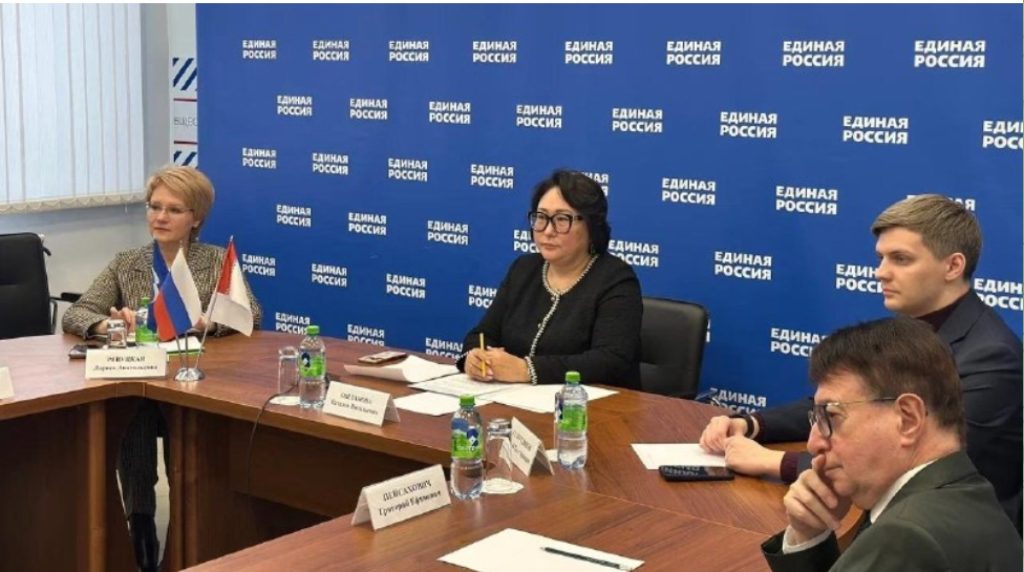
https://t.me/iamarimedia/18175
Human Rights and Governance Concerns:
– Risk of political capture of state-funded social infrastructure.
– Potential discrimination in allocation of public resources based on political loyalty.
– Reduced transparency and public oversight in budgetary decision-making.
Relevant Legal and International Standards
– Article 19 ICCPR — Right to political participation without undue influence.
– Article 25 ICCPR — Right to take part in public affairs.
– UN Convention Against Corruption — Principles of transparency and accountability in public administration.
Case 2: Alleged Illegal Reclassification of Agricultural Land and Suppression of Community Participation
On 22 January 2026, local civic sources reported that agricultural land near the village of Yakimovo was reclassified into industrial-use territory of hazard classes IV–V. Local residents reportedly opposed the change, but their objections were allegedly not reflected in planning decisions.
Residents also reported environmental degradation connected to intensive construction-related logistics operations near residential areas and agricultural tourism facilities. Civic groups reportedly submitted legal challenges citing multiple violations of land-use and zoning regulations.
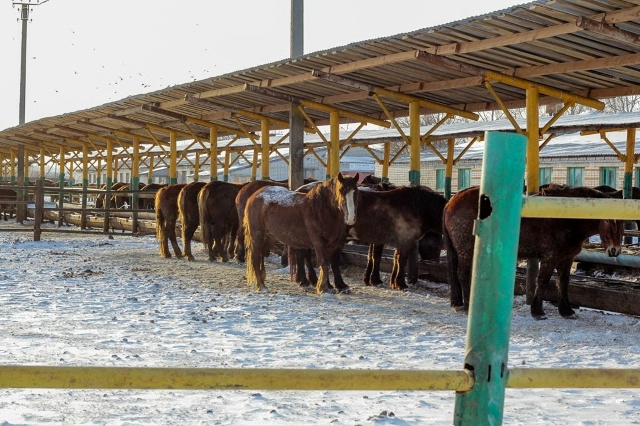
https://vk.ru/wall-4536449_43495
Human Rights and Environmental Concerns:
– Potential violation of community participation rights in land-use decisions.
– Environmental health risks to residents due to industrial activity near residential zones. – Risk of unlawful conversion of protected or agricultural land into commercial use.
Relevant Legal and International Standards
– Article 42 Constitution of the Russian Federation — Right to a favorable environment. – Aarhus Convention — Public participation in environmental decision-making.
– Article 12 ICESCR — Right to health.Case
3. Failure of Municipal Services and Lack of Accountability
On 31 January 2026, residents publicly complained about systematic failures of a municipal housing maintenance organization, including failure to clean entrances, surrounding territory, and snow removal from roofs. Residents also reported inability to contact the service provider despite ongoing billing for services.
This reflects broader patterns previously observed in rural and municipal service failures, where residents face structural barriers to accountability and complaint mechanisms3.
https://t.me/overhear_volzsk/44344
Human Rights Concerns:
– Failure to ensure safe housing and living conditions.
– Lack of effective complaint and accountability mechanisms.
– Potential misuse of public utility payment systems without adequate service provision.
Relevant Legal and International Standards
– Article 2 Constitution of the Russian Federation — State obligation to protect citizens’ rights and safety.
– Article 11 ICESCR — Right to adequate housing.
– Article 19 ICCPR — Protection of freedom to express complaints about public services.
Patterns of service failure combined with pressure discouraging public complaints have been documented previously and contribute to a broader climate of self-censorship among residents.
Case 4: Administrative Prosecution of Book Retail Network for Alleged “LGBT Propaganda”
In February 2026, an administrative case under Part 1 of Article 6.21 of the Code of Administrative Offenses (“propaganda of non-traditional sexual relations”) was filed with the Yoshkar-Ola City Court against ООО “Gramota,” the legal entity operating the federal bookstore chain “Chitai-Gorod.” The case was identified through monitoring by independent media4.
The specific grounds for the protocol remain unclear, and no hearing date has been announced at the time of reporting.
This case follows a broader pattern of enforcement actions against the same company. In December 2025, a court in Chita imposed a fine of 800,000 RUB on ООО “Gramota” under similar charges, reportedly following complaints regarding several books. Media sources suggested that the case may have involved literary works by internationally recognized authors, including Fredrik Backman, John Boyne, and Ursula K. Le Guin.
According to monitoring data, at least seven administrative protocols on similar grounds have been filed within one month against legal entities associated with the “Chitai-Gorod” network (including ООО “Gramota” and ООО “Novy Knizhny M”) across multiple regions, including Yoshkar-Ola, Chita, Izhevsk, Nalchik, and Ryazan.
Human Rights Concerns:
– Restrictions on freedom of expression and access to information through censorship of literature. – Vague and broad application of “propaganda” legislation to cultural and educational materials. – Chilling effect on publishers, booksellers, and readers.
https://zona.media/news/2026/01/21/chitai
– Disproportionate penalties imposed on private entities for dissemination of literary works. – Risk of arbitrary enforcement based on complaints or denunciations.
Relevant Legal and International Standards:
– Article 19 ICCPR — Freedom of expression and access to information. – Article 27 ICCPR — Rights of cultural participation.
– Article 29 Constitution of the Russian Federation — Freedom of thought and speech. – UNESCO standards on cultural diversity and access to literature.
Recommendations
Based on the violations and risks documented in January 2026, the following actions are recommended:
1. Ensure Political Neutrality in Public Administration:
Separate political party structures from state-funded social infrastructure planning and implementation.
2. Strengthen Public Participation in Land-Use Decisions:
Guarantee meaningful community consultation prior to zoning or land reclassification decisions.
3. Strengthen Environmental Oversight:
Establish independent review of land-use changes involving agricultural and residential territories.
4. Improve Municipal Service Accountability:
Implement transparent complaint tracking systems and enforce service delivery obligations for municipal contractors.
5. Protect Civic Expression:
Ensure residents can publicly criticize public services and administrative decisions without fear of retaliation or administrative pressure.