
Kaskesoja story, Karelia
Jana Tiihonen (Bystrova) – Human rights defender for Karelia and Karelians
In early December 2025, the Veps village of Kaskesoja (Kaskesruchey in Russian), located in the Ryboretskoe settlement of Prionezhsky District in the Republic of Karelia, became the focus of renewed controversy over quarry expansion. On 1st December, the Ministry of Natural Resources and Ecology of the Republic of Karelia initiated public hearings on allocating additional forest land for the extraction of gabbro-diabase near the villages of Druhaya Reka and Kaskesoja.
On paper, it was an administrative procedure. For residents, it was something else entirely. It reopened a deeper question: who decides what happens to this land, and who lives with the consequences?
Even though it has been close to three months since the story broke out and new developments have occurred, it still feels wrong to abandon this story, as it is a perfect example of the treatment the indigenous and native populations of Karelia receive from the Russian authorities.
Why is Kaskesoja so important to the story?
The village is not simply a rural settlement. It is one of the oldest Veps villages, with historical references dating back to the 16th century. It has been designated a complex monument of history and preserves traditional Veps wooden architecture and household structure. Several houses date to the late 19th and early 20th century. The village has even contributed a museum-grade structure, the Foskina Bathhouse, to the Kizhi Museum-Reserve.
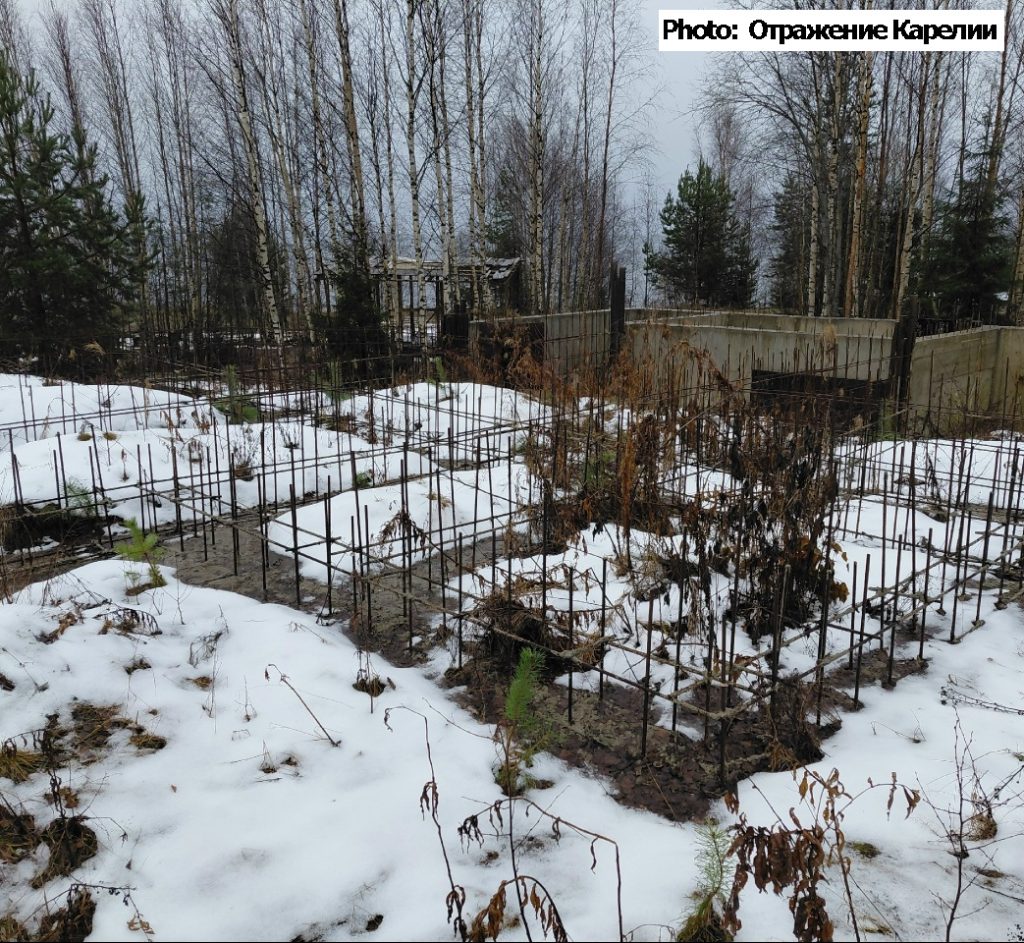
Moreover, just beyond the houses stands a sacred grove officially recognized as a cultural heritage monument. Sacred groves are not romantic relics of folklore. They are tangible cultural monuments connecting today’s generations to pre-Christian beliefs. Besides being important cultural monuments, they also hold significant spiritual importance for local communities. Such forest spaces are chosen for their symbolic connection to the dead, which is why cemeteries are often placed in such locations. They serve as embodiment of life, death, and rebirth.
What makes Kaskesoja even more special, is that it is still inhabited, making it a living settlement where cultural memory is not archived behind glass, but embedded in landscape.
What exactly happened in December 2025?
According to the residents of Kaskesoja, notification of the public hearings concerning the allocation of forest land for the “Yuzhnoe-3” quarry project was received only at the last moment, and the hearings were held outside the village in a manner that limited participation of directly affected inhabitants. Those who managed to attend the hearings stated that non-residents were present there, voting in favor of the allocation of the plot.
We should note at this point that the Veps people are recognized as small-numbered indigenous people of the Russian Federation. Under Federal Law No.82-FZ, they are guaranteed the right to participate in decisions concerning land and natural resource use within their traditional territories. These protections are not symbolic gestures. They are binding legal commitments.
If participation is guaranteed by law, then it must be real in practice. Timely notification, access to documentation, and genuine opportunity to influence outcomes should not be treated as technicalities. They are the substance of procedural rights. When these elements are questioned, or even disregarded, confidence in the process erodes.
Although the license for the plot “Yuzhnoe-3” has been revoked in mid-February, the revocation addressed only one decision. It did not resolve the broader concerns about how decisions are made or the issues the residents have to face as unwilling neighbors to quarries.
Even though stone extraction has long been part of the region’s economic life, it is in recent years that it became a serious concern. Gabbro-diabase has been mined here since the 18th century and helped provide for the local community and keep the traditional villages alive. Yet following the privatization period, mining assets were transferred to private operators headquartered outside of Karelia. Many of the new owners were from Moscow. This meant, that strategic decisions about expansion and operational intensity were taken far from the villages affected by them. The local population began to feel as if they were simply exploited for their natural resources, with minimum economic returns, yet all the environmental and social consequences.
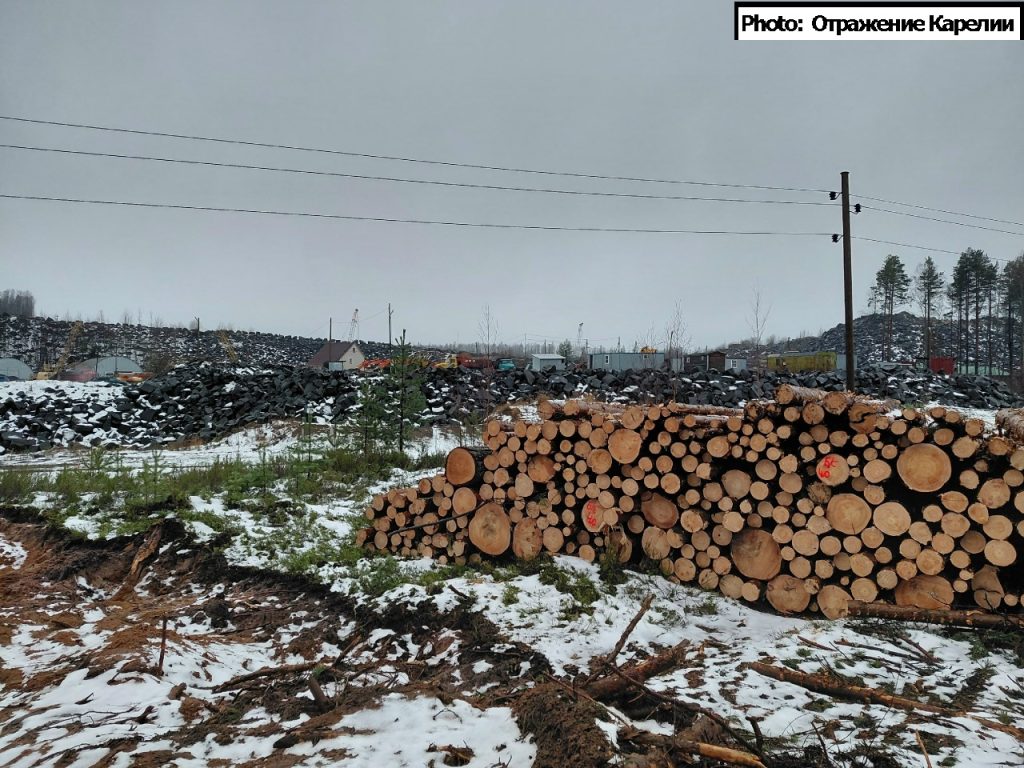
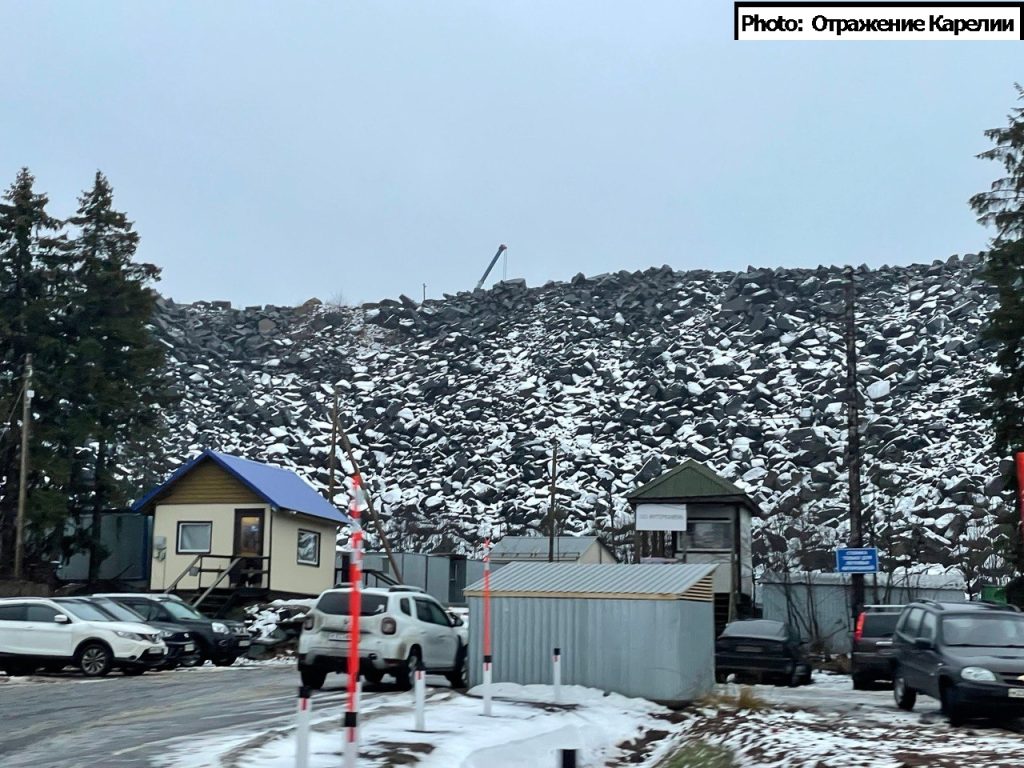
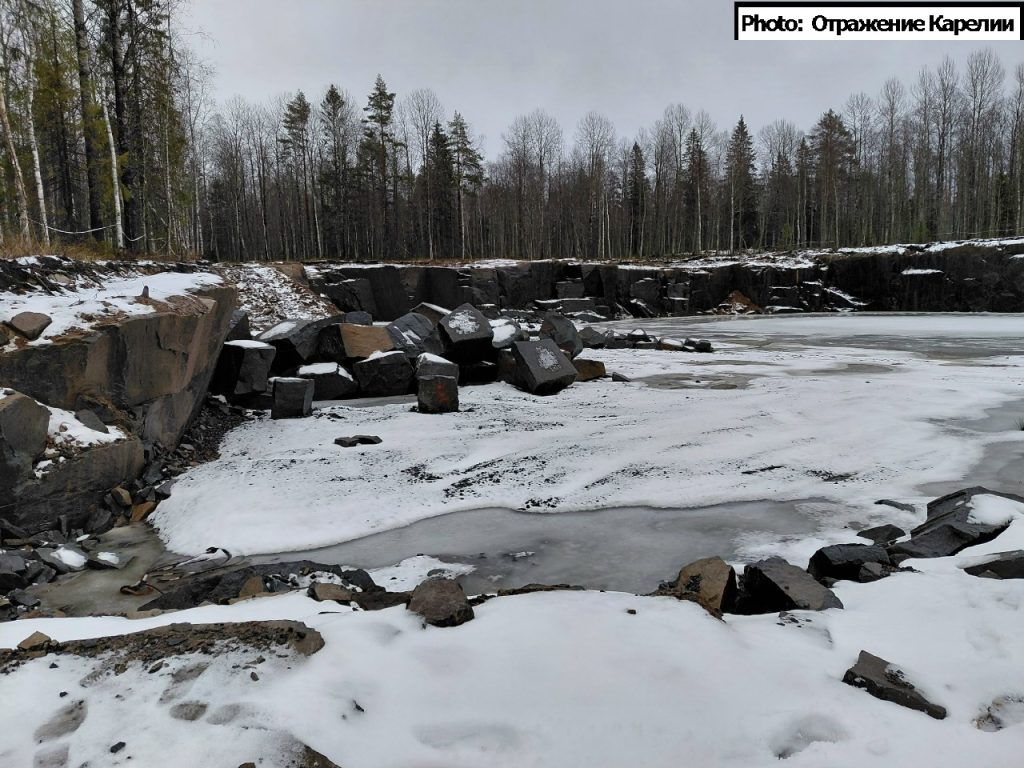
The residents of Kaskesoja describe life near the mining zones similar to living next to a war zone. The frequent blasts are making people want to duck and hide, and the vibrations are felt thought their homes. Scientific research indicates that blast vibrations affect the structural integrity of buildings. Accumulative stress from vibrations may, over time, lead to damage to residential and other buildings of the village. Wooden structures are particularly vulnerable to prolonged exposure to vibrational stress, and the houses in Kaskesoja are predominantly wooden. Moreover, as already mentioned, the village hosts historical houses over a century old. Due to timber changing its structural behavior over time, historical buildings become even more vulnerable to constant vibrations, increasing the danger of losing well preserved traditional Veps architectural elements.
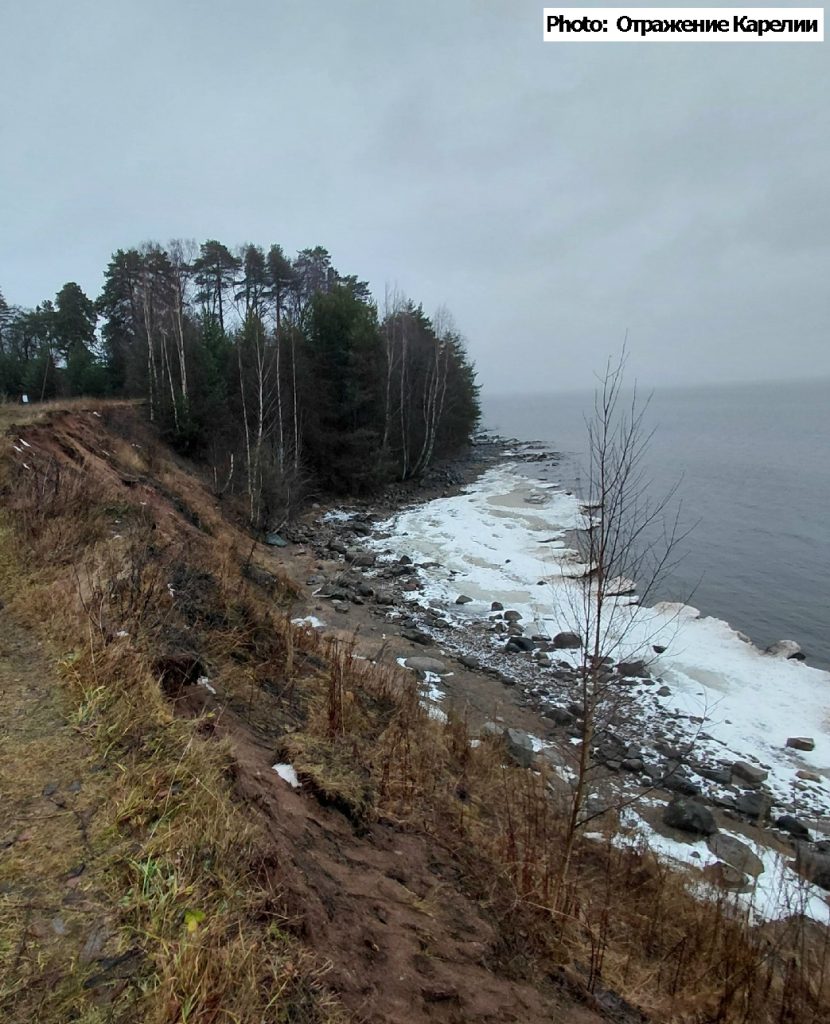
Kaskesoja is, like many old villages in Karelia, located on the shore of lake Äänisjärvi. The quarries are turning tradition into household threat as the steep bank of the lake is subjected to erosion, which is being accelerated by the blasting. This adds further concerns for the residents who fear that their village might simply slide into the lake.
To make matters worse, the residents of the village have been left to survive without the essentials. Reportedly, the wells have dried up, leaving people without drinkable water. The village does not have a grocery store, and the mobile store has stopped coming. One would expect that the foreign quarry owners could at least provide the basics for the people of the village, as a way to ease the discomfort caused by the constant blasts. Instead, they prove the residents’ feelings right, that their lands are simply used for profit. Even the Russian authorities, who are supposed to protect the people, don’t seem to care, and completely ignores the distress of the local community.
But its not only the people who have been affected by the blasts. Kaskesoja’s residents say that the fish have left the nearshore waters. Native to the area, fish no longer return to their traditional spawning grounds. This is not only an economic hit for the locals, as fishing can provide sustenance, but it is also a threat to the traditional lifestyle and activities of the Veps. Fishing is an inseparable part of Veps and Karelian traditions.
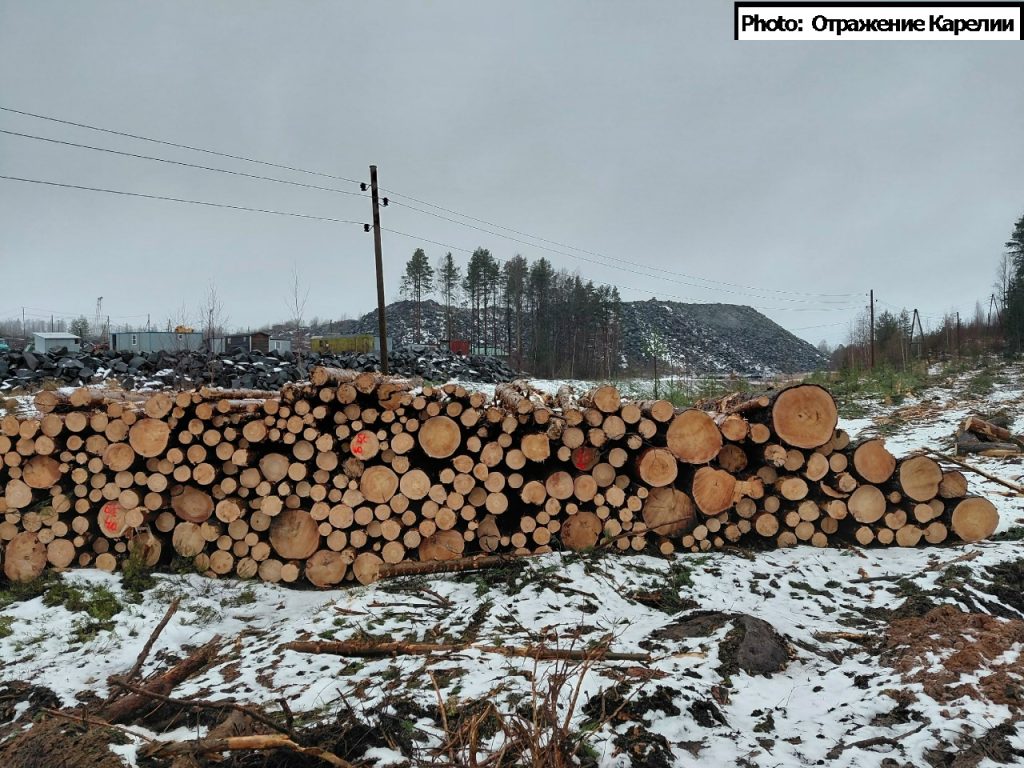
The disappearance of the local fish is only one aspect of the environmental impact that the quarries have on the area. The forest is the main victim of the operations. Open pit-quarries require the removal of trees to operate. This creates fragmentation of previously continuous woodland and leads to artificial forest edges. Forest edges have different environmental conditions that inner forest zones. Naturally created edges are given time to adapt, whereas artificial edges do not, as the man-made changes happen suddenly and abruptly. Such sudden changes in soil moisture and humidity affect tree stability, understory vegetation composition, and forest regeneration patterns.
The more quarries are opened in the area, the more artificial edges are created, increasing overall damage to the forest.
Quarry operations also accelerate erosion and sedimentation of forest soil. This weakens forest stability, slows natural regeneration, and alters hydrological regimes. Hydrological changes influence how water moves through the soil, further affecting soil moisture, damaging root system stability, and decreasing tree stability.
The hydrological alterations don’t remain confined in the forest, and eventually reach the lake. Increased sedimentation contributes to higher water turbidity, which in turn further discourages local fish from returning to their traditional spawning locations, and also reduces the quality of the water. The latter creates additional problems for the human residents of the area, as lake water could be a natural alternative for the water needs of the villagers, who are already experiencing water deficiencies due to dried up wells.
Everything in nature is connected. This is why Finnic peoples, such as Veps and Karelians, have always tried to take great care of the environment, and consider themselves inseparable from it. And this is why ecological disregard is directly connected to cultural disregard.
The cultural violations do not end with the possible endangerment of historical houses. Forests as a whole, play a significant role in maintaining cultural continuity for the native peoples of Karelia. Forests hold an important place in native beliefs and are central to the cultural identity of the Veps, and Karelians, as many myths and traditional practices are closely related to them. When forests are abused and threatened, the cultural identity of the local population is also abused and threatened. Moreover, since sacred groves are part of the overall forest biome, the negative effects of quarry operations on the forest, directly affect the groves, adding another dimension to the cultural threat of the quarries.
From what was presented so far, it becomes clear that the story of Kaskesoja reveals the multidimensional violations of the state approved and Moscow sponsored quarries. From disregard of procedural guarantees for Indigenous participation, to the deterioration of the quality of living standards, to the lack of protection of registered cultural heritage sites, to environmental neglect, to the undermining of conditions necessary for maintaining traditional ways of life.
The Republic of Karelia, as a constituent entity of the Russian Federation, operates within the Federation’s constitutional and international obligations, including those arising under the UN Charter and related human rights instruments. If the violations outlined above reflect systemic patterns rather than isolated failures, then a more fundamental question emerges: are the Russian Federation’s legal guarantees for Indigenous participation, environmental protection, and cultural preservation implemented as substantive safeguards, or do they remain largely declarative commitments in practice?