Report on systematic human rights violations in the Republic of Bashkortostan for 2025
For the Bashkir people, 2025 has become a year of further deepening and entrenching systemic violations of basic rights by the state. While previous years had outlined the general vector of repressive policies, in 2025 it acquired a sustained, institutionalized character. Violations of freedom of speech, freedom of assembly, the right to a fair trial, and protection from torture and discrimination have ceased to be isolated incidents and have become a consistent practice of state governance. Repression is increasingly selective and ethnically motivated, primarily affecting ethnic Bashkirs, ethnic activists, environmentalists, journalists, and individuals who openly disagree with government policies. Simultaneously, legal protection mechanisms are being dismantled, the work of human rights institutions is being imitated, and society is effectively deprived of legal means to defend its rights. This report documents how, throughout 2025, state policy of Moscow in the Republic of Bashkortostan has consistently undermined fundamental human rights and increased pressure on the Bashkir people as a collective bearer of political, cultural, and linguistic identity.
1. Violations of Freedom of Speech and Freedom of Assembly The “Baimak Case” and the Suppression of Protests
The January 2024 events in Baimak became a turning point and the largest political trial in the modern history of Bashkortostan. On January 17, 2024, Judge Elina Tagirova of the Baimak District Court found activist Fail Alsynov guilty under Part 1 of Article 282 of the Russian Criminal Code. Several thousand of Alsynov’s supporters attended the sentencing. People gathered outside the courthouse to express their disagreement with the verdict—a routine public gathering, a peaceful protest that did not constitute organized mass riots.
Security forces responded to this protest with violence. Police threw tear gas grenades at people, beat them with batons, and protesters threw snow in response. There were no serious property damages, arson attacks, or building seizures. However, the Investigative Committee subsequently opened criminal cases under articles on organizing and participating in mass riots (Parts 1 and 2 of Article 212 of the Russian Criminal Code) and on the use of violence against a government official (Part 1 of Article 318 of the Russian Criminal Code). More than 85 people have been charged in these cases, and according to human rights activists, 77 have already received prison sentences or are awaiting sentencing. These sentences range up to 7.5 years in prison.
The death of Rifat Dautov and the incitement to suicide of Minniyar Baiguskarov demonstrate that the punitive machine is not limited to paper sentences. Rifat Dautov, detained after the events near the court, was brutally beaten by security forces and died during transportation. An independent autopsy determined that he died from internal hemorrhaging and blood loss as a result of multiple blunt force injuries. The state forensic examination attempted to attribute this to a “heart attack.” A criminal case into his murder has not been opened because the police claim there was no beating. After being pressured and beaten at the police station, Minniyar Baiguskarov committed suicide. This is a direct consequence of torture and humiliation.
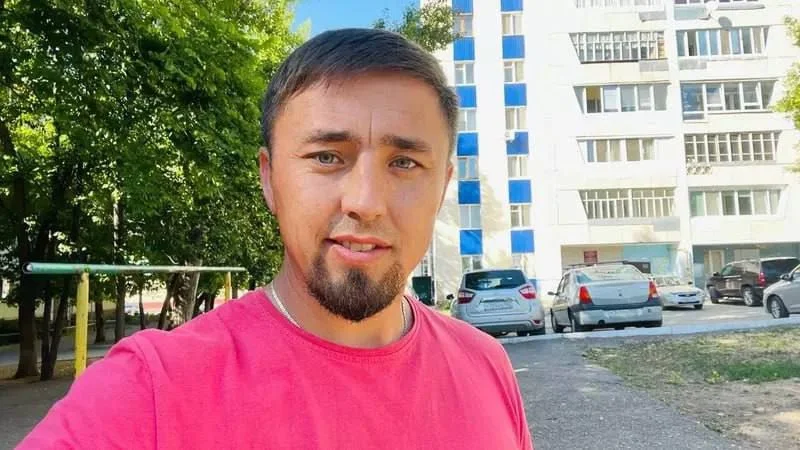
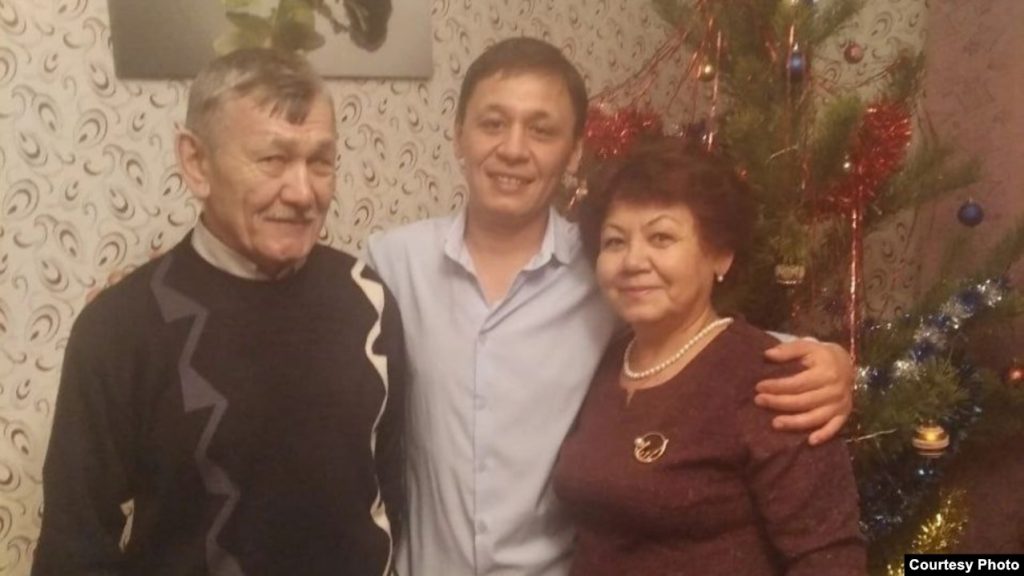
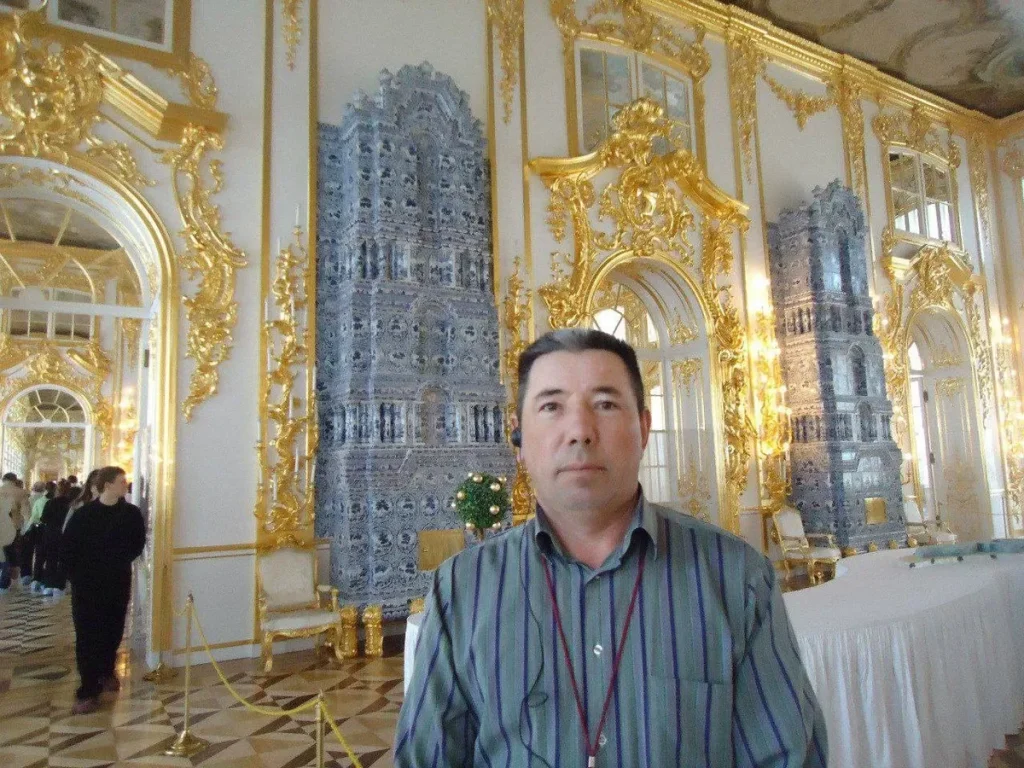
In the “Baimak case,” almost all those detained in connection with the events in Baiimak are ethnic Bashkirs, reflecting the ethnic nature of the repressions. A significant portion of the trials are being conducted outside Bashkortostan—in neighboring regions and republics—which violates the principle of territorial jurisdiction and highlights the colonial nature of “justice,” where residents of the republic are tried far from their land, families, familiar environment, and public oversight.
As of December 2025, criminal proceedings have been initiated against 77 individuals in the “Baimak Case,” with prison sentences of up to 7.5 years imposed. Some defendants remain under investigation or awaiting trial. Several other residents of the republic are considered witnesses or “delivered,” subject to pressure, and could be charged at any time in this same politically motivated case. Some of the defendants in the “Baimak Case” have already received international recognition as political prisoners.
A number of international human rights organizations, analyzing the circumstances of their arrests, the nature of the charges, the disproportionate nature of the sentences, and the context of peaceful protest, have concluded that the prosecution is politically motivated. In their statements, they point out that the participants in the Baimak events were imprisoned not for committing violent crimes, but for exercising their right to peaceful assembly and expressing dissent with the actions of the authorities. The recognition of some of the accused as political prisoners confirms that the “Baimak Case” is repressive in nature and is aimed at intimidating society, suppressing national and civil protest, and eliminating any form of public dissent in the Republic of Bashkortostan.
2. Unlawful detention and denial of the right to a fair trial
Politically motivated cases: Airat Dilmukhametov, Ramilya Saitova, Rustam Fararetdinov
Recent years in Bashkortostan have been characterized by a sharp increase in politically motivated trials. The report emphasizes that the courts and investigators are not independent from the government and security forces: criminal law is used as an instrument of political pressure, not as a mechanism for protecting rights and freedoms.
Ayrat Dilmukhametov, the most prominent Bashkir political figure, is currently serving his third prison term. At his most recent trial, he received a nine-year sentence in a maximum-security penal colony. His trial outside the republic deprived him of access to his usual environment, public support, and increased pressure from security forces. The basis for his prosecution was his political speeches and positions, not actual crimes.
Bashkir political activist Ramilya Saitova was sentenced to a second term – five years in prison – for calling on Bashkirs not to participate in the war against Ukraine. It means for expressing a political position and opinion about the inadmissibility of a nation’s participation in a war against another nation. In a normal legal system, this is protected by freedom of speech, but in modern Russia, it has been transformed into a criminal offense.
The case of Rustam Fararetdinov is particularly illustrative. He is not an activist and has not engaged in political activity. His prosecution is solely related to the activities of his brother, Ruslan Gabbasov, a leader of the Bashkir national movement who resides outside of Russia. Rustam has become a political hostage of the security forces: his criminal case is a form of pressure on his brother and a signal to anyone who dares to emigrate and continue the struggle from abroad. Collective punishment is at work here – responsibility for the actions of another person, based solely on family ties.
In addition to these cases, there is an entire category of those convicted under “religious articles,” where Muslims are imprisoned not for actual offenses, but for belonging to a certain group or movement. The exact number of such convicts is difficult to estimate, but dozens are involved. Trials are conducted in an atmosphere of bias, expert assessments are manipulated to achieve desired results, defense motions are ignored, and prolonged pretrial detention is used as a means to break the defendants.
3. Illegal Prosecution and Fake Activities by Russian Law Enforcement Agencies
The Case of Eight People in Salavat and the Ishimbay District
Amid the ongoing political trials in Bashkortostan, a new link has emerged – the case of eight residents of Salavat and the Ishimbay District, detained by the FSB on charges of attempting to set fire to cell phone towers and damage fiber optic cables. According to the official version, a certain handler issued an “order” for the sabotage via the Telegram messenger, and the detainees allegedly agreed to carry out the instructions. This scheme suspiciously closely replicates the pattern of many fabricated FSB cases across Russia, where “terrorist activity” originates from anonymous chats, and the “perpetrators” are random, vulnerable individuals from the regions.
Information about the eight detainees is extremely limited: their identities, ages, social status, and details of the “preparation” of the crime are not disclosed. Investigative actions and court decisions are being conducted in a highly secretive manner, precluding public oversight. Independent lawyers are not allowed, there is no access to case materials, and there is no independent evidence of actual actions that could be classified as preparation for sabotage.
Taken together, this provides every reason to view the case as an FSB stunt, created for reporting purposes in the fight against terrorism and sabotage. The geography (the region where the large-scale “Baimak Case” is already underway), the use of a Telegram cover story, the closed nature of the trial, and the lack of transparent evidence point to a fabrication. A group of residents of Salavat and the Ishimbay District has been turned into a tool for statistics and propaganda, rather than a subject of genuine justice.
4. Obstruction of Journalism
The Olga Komleva Case and Pressure on Independent Voices
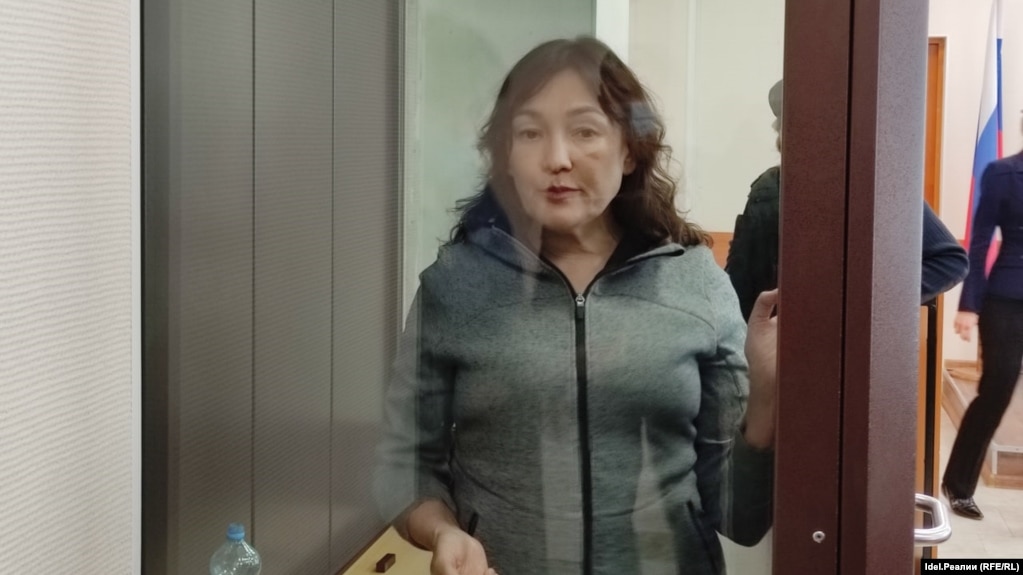
In August 2025, a court in Ufa sentenced journalist and activist Olga Komleva to 12 years in a general regime penal colony. The charges were participation in an “extremist group” and “dissemination of knowingly false information” about the actions of the Russian army. She was also subject to additional restrictions: a ban on organizing public events and managing online resources.
This sentence and the nature of the charges clearly demonstrate that the state views independent journalism as a threat and grounds for the harshest punishment. This punishment is essentially a reprisal for attempting to cover human rights violations, environmental conflicts, and political conflicts in the republic. Journalism has been transformed into a dangerous activity, punishable by sentences comparable to those for serious violent crimes. This completely contradicts Russia’s international obligations to protect freedom of expression.
Olga Komleva is not an isolated case. The reports document how journalists and activists face constant pressure, threats, summonses to law enforcement, pressure to delete content, and the risk of criminal prosecution for publications and speeches. The repressive practices are structured so that anyone who publicly reports violations understands in advance that they could end up in the dock under “extremist” or “anti-war” charges.
5. Discrimination Based on Nationality and Language
“Kara khalyk,” russian chauvinists, and the linguocide of the Bashkir language
The case of Fail Alsynov demonstrates how nationality and native language are used as grounds for criminal prosecution. Alsynov was sentenced to four years in prison for using the expression “kara khalyk” (“laborers,” “common people”) in Bashkir. The court deemed this statement extremist. Essentially, a common word in the native language was criminalized.
Against this backdrop, it is telling that punishments for actual offensive statements and publications directed at Bashkirs and other non-Slavic peoples are either minimal or nonexistent. Sibay resident Ekaterina Yevstigneeva, supported by the neo-Nazi organization “Russian Community,” faced neither criminal nor administrative prosecution for nationalist, derogatory remarks against the Bashkir people. Zoya K., a 67-year-old resident of Ufa, received a minimal fine of 3,000 rubles, which was paid by the same “Russian Community.” Thus, Russian chauvinist statements remain de facto unpunished, while any statements by Bashkir activists, even those that do not contain calls for violence, are interpreted as “extremism.”
The Russian authorities’ language policy toward the Bashkir language is openly destructive. Despite UNESCO classifying the Bashkir language as a vulnerable language back in 2009, the Russian authorities have taken no measures to protect it. On the contrary, Vladimir Putin’s 2017 decree abolishing the mandatory study of national languages in the ethnic republics made the Bashkir language optional. With an already meager number of instructional hours (three hours per week), this effectively means its exclusion from the compulsory education system.
Native language teachers have become redundant, the need to train professional staff has disappeared, and departments are being closed. In schools where the majority of children are native Bashkir speakers, a single parent can petition to eliminate the teaching of the Bashkir language altogether. This has dealt a powerful blow to the national education system and is leading to the loss of the language in future generations. All of this fits within the concept of linguocide—the destruction of a language through state policy that deprives it of its functionality and scope of application.
6. Illegal Assignment of Extremist and Terrorist Designations
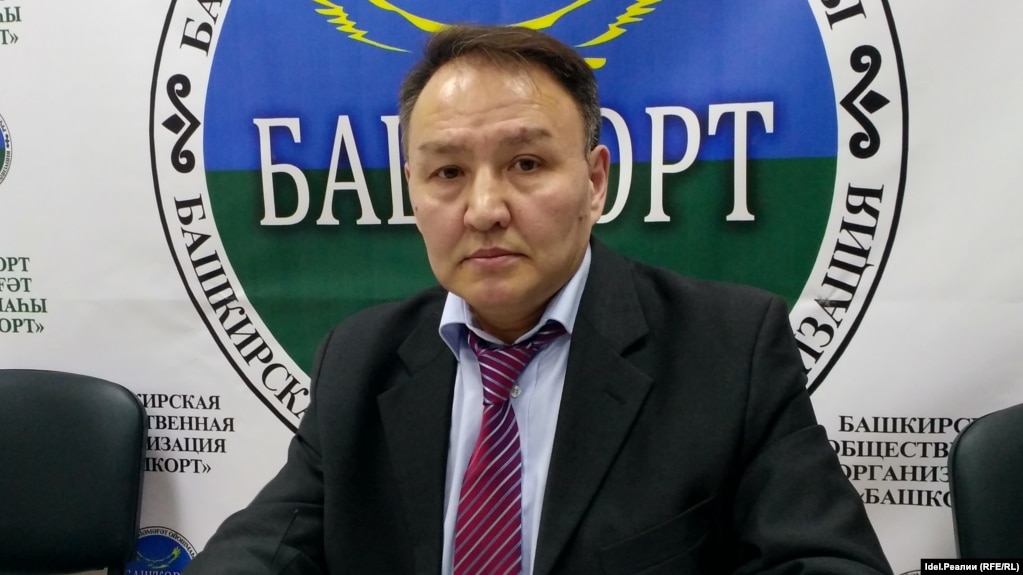
The Committee of the Bashkir National Movement Abroad and other national organizations have been designated as extremist, and their activities have been banned. This automatically results in the inclusion of activists associated with these organizations on lists of “extremists and terrorists.” Fail Alsynov, the former co-founder of the “Bashkort” organization, was subjected to criminal prosecution precisely because of the existing stigma of extremism against the entire organization.
In addition to the BND, other individuals from Bashkortostan are also included in the registry—national activists, religious figures, environmental campaigners, and journalists. The exact number of Bashkortostan residents included in the Rosfinmonitoring list as “extremists and terrorists” is difficult to determine due to the confidentiality of the data, but dozens of Bashkirs are involved. Inclusion on this list entails the freezing of bank accounts, the inability to conduct normal economic activity, the threat of criminal liability for any financial transactions, and social stigmatization. This is effectively a tool for destroying individuals as full participants in public and economic life.
This practice is used not to protect society from actual terrorists, but to stifle any national movement, any independent initiative, or protest.
Furthermore, the current independent ombudsman of the Bashkir people is being persecuted. In addition to the repressive practices already described against Bashkir activists, in 2025, pressure intensified on national movement leaders outside the republic. For example, the Russian Ministry of Justice added Bashkir national movement activist Aigul Gimranova-Lion, who also serves as the independent ombudsman of the Bashkir people, to the register of so-called “foreign agents,” a designation used in Russian legal practice as a tool of political stigmatization and the restriction of citizens’ rights and freedoms.
Earlier, the Supreme Court of Bashkortostan remanded Aigul Lion in absentia on charges of participating in an “extremist and terrorist organization.” The details of the charges remain undercovered, and she has no access to the trial or defense.
These government steps—including the activist on the “foreign agent” list and initiating a criminal case against the current Ombudsman of the Bashkir People—demonstrate how repressive mechanisms are expanding in 2025, from persecuting peaceful protesters within the republic on ethnic and civic grounds to pressuring national leaders and attempting to discredit them through legislative means.
Criminalization of any form of ideological and intellectual association: the case of the Marxist club from Ufa
In December 2025, members of a Marxist club from Ufa were sentenced to unprecedentedly harsh prison terms—ranging from 16 to 22 years—on terrorism charges. These individuals were of varying ages and social statuses, united by regular participation in ideological and theoretical discussions. The club itself existed as a form of intellectual communication, a study of philosophical and socioeconomic concepts, without a public political program, organizational structure, or stated practical goals.
ru.wikipedia.org/wiki/Дело_марксистского_кружка_из_Уфы
This trial clearly demonstrates that in 2025, even groups that do not formulate real political demands, do not aspire to participate in public politics, and do not constitute an organized movement are vulnerable to the state’s repressive apparatus. Regular communication, discussion of ideas, and the mere presence of an alternative worldview are sufficient grounds for criminal prosecution under the most severe charges. The case of the Marxist club from Ufa demonstrates that the state’s repressive logic no longer requires the presence of real political activity: any forms of independent thinking and collective intellectual life that go beyond the officially approved ideological field are under attack.
Selective Law Enforcement and the Encouragement of Far-Right Violence
A telling example of selective and politically motivated law enforcement was the detention and arrest in Ufa in February 2025 of minors who burned a flag widely known as a symbol of neo-Nazi and far-right groups. Despite the obvious lack of criminal liability and the fact that the act did not involve a state symbol or calls for violence, harsh criminal penalties were imposed on the minors, including detention and arrest. The very fact that the state responded so repressively to such an act demonstrates that law enforcement agencies are prepared to criminalize any actions that cross the line of ideological permissibility, even if they fall outside the scope of criminal law. https://dzen.ru/news/story/6ec8ec6e-3635-5b6b-8f64-f8f0adba129c
It should also be noted that these minors were charged with actions they had nothing to do with. The official investigative documents state that “the investigation established the defendants’ involvement in spray-painting nationalist graffiti on the facades of buildings in the village of Starosubkhangulovo, Burzyansky District, in response to an unknown person’s online offer for a monetary reward.” Such accusations appear to be an attempt to artificially expand the case and increase penalties without supporting compelling evidence.
Meanwhile, representatives of the neo-Nazi groups who, according to available information, subjected these minors to torture and abuse have not been held accountable. Law enforcement agencies effectively ignored reports of violence, failed to initiate investigations into the torture, and failed to take measures to protect the victims. This asymmetry—the persecution of teenagers while simultaneously tolerating far-right radicals—points to a systemic problem: the state not only fails to counter neo-Nazi violence, but also de facto creates conditions of impunity for it, which exacerbates the climate of fear and entrenches the practice of ideologically selective application of the law.
Systemic Violations
Imitation of Human Rights Institutions
The republic formally has bodies purporting to protect human rights: the “Council for Human Rights and Civil Society Development under the Head of the Republic of Bashkortostan” and the “Human Rights Commissioner of the Republic of Bashkortostan.” In reality, they merely serve as shams for human rights protection. A quote from Zulfiya Gaysina, who heads the Council, openly declares her full support for the actions of the Russian Federation’s leadership, including the war against Ukraine.
https://спчрб.рф/press-releases/заявление-председателя-совета-зульфии-гайсиной
During the Baymak case, Gaysina not only failed to speak out in defense of those unlawfully prosecuted, but also participated in meetings with the relatives of those detained, where, in exchange for some kind of financial assistance and promises of “lenient” sentences, she effectively pressured them to confess.
The post of Human Rights Commissioner in Bashkortostan is occupied by former Minister of Internal Affairs Zakomaldin, which in itself is symptomatic: a person representing the security apparatus has been appointed to the role of “human rights defender.” In her annual report, the Commissioner describes 2023 as a period of “military confrontation with the NATO coalition,” emphasizing the importance of military service, but fails to mention the numerous cases of violence, murders, and the deployment of the disabled and wounded to the front lines. None of the high-profile political cases of recent years has prompted public defense of the rights of the accused by these pseudo-human rights structures.
Instead of human rights protection mechanisms in the republic and Russia as a whole, we see only imitation substitutes that conceal repressive policies and create the false impression of “the presence of institutions.”
Religious Pressure
In 2025, Bashkortostan recorded incidents of vandalism and attacks on Muslim religious sites, demonstrating the escalating pressure on religious communities with the complete acquiescence of law enforcement. For example, on August 21, 2025, a mosque on Sovetskaya Street in Blagoveshchensk, Bashkortostan, was set on fire. According to eyewitnesses, the fire was the result of deliberate arson. However, the official law enforcement response to this crime remained extremely limited and perfunctory. https://www.sova-center.ru/religion/news/extremism/vandalism/2025/08/d52106/
Besides this incident, human rights sources document several other acts of vandalism directed against the Muslim community that deliberately remained under the radar of law enforcement: damage to religious buildings, attacks on their premises, and other forms of hostile actions motivated by religious intolerance. This practice of ignoring attacks on mosques and the lack of adequate investigations creates a sense of impunity for the perpetrators of these attacks and confirms the existence of systematic religious pressure, particularly against the Muslim population.
Meanwhile, official representatives of the religious leadership of the Muslim community (the Spiritual Directorate of Muslims of the Republic of Bashkortostan), largely preoccupied with mobilizing and recruiting contract soldiers to participate in Russia’s invasion of Ukraine, effectively fail to protect communities from religious hatred and violence, which exacerbates the situation and strengthens the practice of religious discrimination at the executive branch and religious institutions.
Persecution of Environmental Activists (Kyrktytau)
The report specifically addresses the persecution of defenders of the Kyrktytau Ridge. Local residents and environmental activists are resisting industrial development of the area, which is being carried out without proper approval procedures and in violation of environmental regulations. In response, criminal cases have been brought against activists, including Ural Baibulatov, one of the most prominent defenders of Kyrktytau.
Mass searches are being conducted of potential participants in the movement, and illegal restrictions on freedom of movement for residents of nearby settlements are being recorded. Local residents are prohibited from organizing meetings and rallies, depriving them of the right to participate in decisions affecting their land and future. This is a direct violation of the right to freedom of assembly and the right of indigenous peoples to preserve their habitat and traditional way of life.
A Systemic Policy of Destroying National Identity and the Colonial Nature of Governance
The first report describes in detail the historical context of Russian statehood’s relationship with the Bashkir people: from the conquest of territories after the fall of the Kazan Khanate, through numerous uprisings and armed resistance, to the mass terror and famine of 1919–1923, which led to a more than 50% reduction in the Bashkir population. None of the perpetrators of this terror were held accountable; their names are still immortalized in the names of streets and towns.
After the collapse of the USSR and the formal proclamation of federalism, hopes for the revival of national autonomy were quickly dashed. All powers and federal treaties were curtailed, and Moscow established a rigid vertical power structure, controlling all branches of government in the republic. The people are deprived of real mechanisms for influencing such fundamental spheres as education, language, culture, and historical memory. At the same time, an ideology is being promoted that “Russian is equally native,” and attempts to contrast Russian and the “native” languages are declared unacceptable. And, at the same time, the time spent studying the native language in schools is being treacherously reduced, compared to Russian, to several times less. This is a direct signal of assimilation and the erosion of the identity of other peoples, close to the concept of genocide.
Taken together, language policy, political repression, distorted “human rights” institutions, a colonial style of governance, and historical impunity for crimes against the Bashkir people create a picture of permanent systemic discrimination and the destruction of Bashkir identity.
The Destruction of the Bashkir Population in the War against Sovereign Ukraine and Forced Conscription
Since the beginning of Russia’s full-scale invasion of Ukraine, the Republic of Bashkortostan has consistently remained one of the leaders in the number of deaths in this war. According to open data collected by independent media and research groups (including obituaries, publications by relatives, and local news), Bashkortostan leads the list of Russian regions in the number of confirmed fatalities, both among “volunteers” and among those mobilized. As of the end of 2024, estimates showed that Bashkortostan ranks first in the number of confirmed deaths in the war in Ukraine, with a significant portion of the dead being residents of rural areas and small towns, primarily members of the Bashkir population. Separate studies and journalistic investigations indicate that Bashkortostan leads in the number of deaths among those mobilized, further confirming the disproportionate burden placed on the national republics.
Furthermore, numerous cases of pressure on men in areas with a predominantly Bashkir population have been recorded: people are forced to sign “contracts” under threat of criminal prosecution, assignment to penal or assault units, or forced mobilization. In a number of villages, mobilization and “recruitment” were effectively carried out in raids: according to residents, recruitment notices were accompanied by pressure from local administrations and military enlistment offices, and refusal could have serious consequences. As a result, Bashkir rural areas are becoming the primary contributors to the front, while large cities in central Russia demonstrate far lower casualty rates and a far more lenient attitude toward their residents.
Thus, the war against Ukraine is leading to the accelerated extinction and demographic collapse of the Bashkir people: young men from poor areas of the republic are dying or being seriously wounded en masse, while the political and economic dividends from this war are distributed to the federal center and its affiliated structures. For Bashkortostan, this means not only human losses, but also a long-term blow to the social and cultural reproduction of the people.
Positive Shifts and the Development of Independent Human Rights Advocacy
Despite the scale and depth of repressive practices, 2025 also marked the beginning of important positive shifts in the self-organization of Bashkir society and grassroots human rights advocacy. The official website of the Ombudsman of the Bashkir People was launched—https://bashkortrights.com/—which has become an independent public platform for systematizing information on human rights violations, preparing reports, and communicating with international human rights organizations. In a context where state human rights institutions have effectively lost their function, this resource is creating an alternative public mechanism for recording and understanding current events, restoring a voice to those systematically denied the opportunity to be heard. At the same time, a bot was launched to quickly collect data on human rights violations in Bashkortostan, operating on the principles of complete anonymity and whistleblower protection (https://t.me/Ombuds_bot). We ask you to report any violations you are aware of through this channel: each report will be reviewed, analyzed, and, if possible, will be addressed with appropriate action or given maximum publicity in independent media. Furthermore, systematic work has begun to recognize political prisoners and those held in custody by the regime (https://bashkortrights.com/political-prisoners/). For the Bashkir people, these individuals are not statistics or numbers: they are real destinies, people who have suffered or continue to suffer while trying to protect the rights and freedoms of every individual.