
Monthly Report on Human Rights Violations in the Republic of Karelia, Russian Federation
December 2025
Prepared by: Jana (last name removed for safety reasons)
Executive Summary
This report addresses recent developments in the Republic of Karelia, Russian Federation, in the month of December 2025. It highlights ten incidents of cultural, civil, socio-economic, political, and ecological rights violations.
The documented incidents reveal a consistent pattern of basic human rights violations including the failure to provide effective remedies, disregard for the protection of indigenous heritage, insufficient access to basic necessities, breaches of fundamental principles of fair trial and protection against arbitrary detention, violation of the rights on freedom of expression and association. Such practices may be incompatible with the Russian Federation’s obligations under the International Covenant on Civil and Political Rights (ICCPR), International Covenant on Economic, Social and Cultural Rights (ICESCR), Convention of the Rights of the Child (CRC), and Convention on the Rights of Persons with Disabilities (CRPD).
Total number of possible violations: 39
Methodology
The findings presented in this report are based on open-source information including official communications by Russian authorities, regional and federal legislation, credible media reporting, and research conducted by independent experts. Where possible, the report cross-references multiple sources to verify accuracy.
The report does not claim to be exhaustive. It focuses specifically on ten sets of incidents in December 2025 which illustrate systemic patterns of international law violations and disregard for international standards.
Findings
A. Cultural rights
i. Kaskeruchey quarry
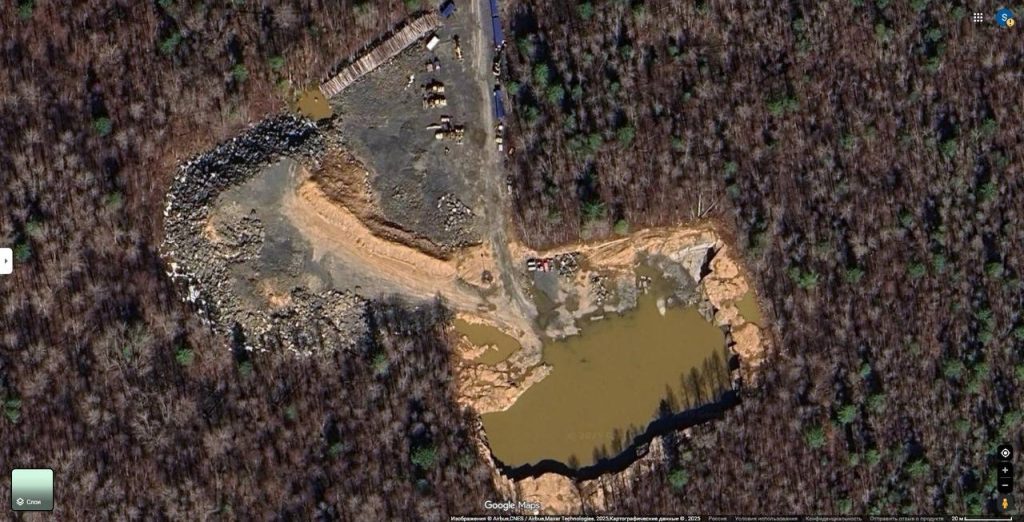
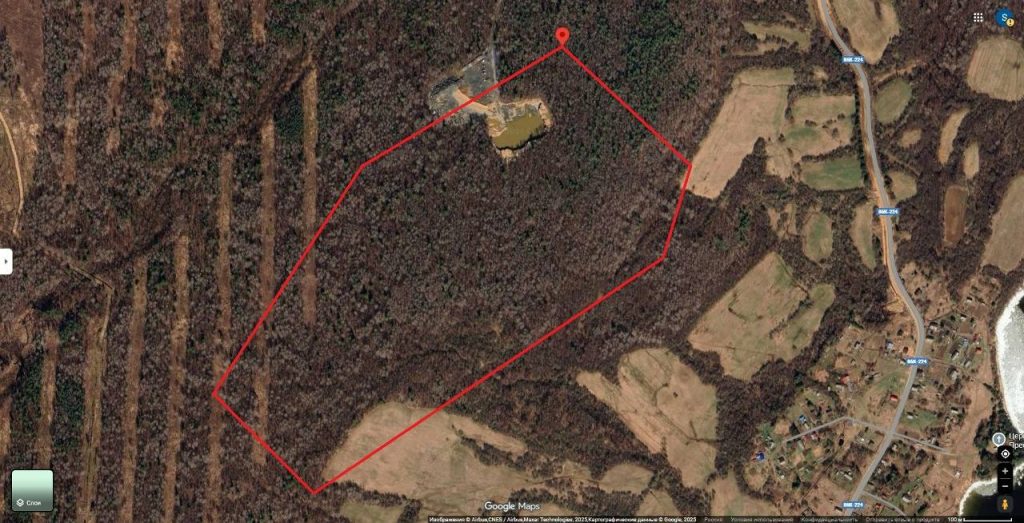
In Kaskesruchey, a historic Vepsian village on the shore of Lake Onega in the Prionezhsky District of Karelia, local residents report that a new stone quarry began operating prior to the holding of any official public hearings. Publicly available satellite imagery indicates that quarry activity was underway before the hearings scheduled for December 1, suggesting that the project advanced without meaningful public input. Residents who attended the hearings also noted procedural irregularities, including unclear documentation and the presence of participants who were not from the village.
Because Kaskesruchey is a protected cultural and historical Vepsian settlement, residents fear that the quarry could harm both natural environment and the cultural landscape; they warn that further expansion may threat the village’s historical character. Complaints have been submitted to local authorities.
The operation of the quarry may therefore constitute non-compliance with the Russian Federations’ obligations under the ICCPR Article 27, ICESCR Article 15, and ICCPR Article 25, insofar as it may affect cultural rights, participation in public affairs, and the protection of minority communities.
https://m.vk.com/wall-174196957_78389
https://t.me/Slabunova/5095
https://t.me/Slabunova/5086

B. Socioeconomic rights
i. Temporary suspension of Vyartsilya Hardware Plant
On 2 December 2025, it was announced that the Vyartsilya Hardware Plant (VMP) in the town of Vyartsilya, Sortavala District, would undergo a temporary suspension of operations from February to July 2026, resulting in mass layoffs affecting 103 employees. As Vyartsilya is a designated single-industry town whose economic functioning, demographic stability, and social well-being are deeply dependent on the plant, the suspension poses significant socioeconomic risks to the settlement.
The absence of long-term modernization strategies or viable plans for economic diversification, combined with the proposed relocation of affected employees to other plants owned by the parent company “Mechel” in different regions of the Russian Federation, is likely to heighten the town’s vulnerability. Potential consequences include population decline, the loss of essential local services, reduced tax revenue, and prolonged regional underdevelopment.
Given that the plant’s financial difficulties had been apparent for more than a decade – providing sufficient time for proactive measures to mitigate the current crisis – and in view of the negative impacts on both employees and the wider community, the planned suspension may constitute non-compliance with the Russian Federation’s obligations under ICESCR Articles 6, 7, 9, and 11, insofar as it may affect the rights to work, just and favourable conditions of work, social security, and an adequate standard of living.
https://factornews.ru/news/vjartsilskij-metiznyj-zavod-v-karelii-ostanavlivaet-svoju-rabotu
https://t.me/kalitki/18070
ii. Insufficient teaching stuff
Reports indicate a shortage of teaching staff in the Republic of Karelia, resulting in numerous schools being unable to ensure the provision of quality of education to all students. Existing personnel are frequently required to take on excessive workloads, including regular overtime, in order to compensate for the lack of staff.
Evidence suggests that the shortage is driven by a combination of structural factors, including low wages, underpaid or unpaid overtime, and generally unfavorable working conditions. These conditions extend to deteriorating school infrastructure, inadequate heating, insufficient sanitation and hygiene facilities, and persistent stress, particularly in rural and remote communities. Moreover, disparities in remuneration encourage young teaching professionals to relocate to larger cities, where salaries and employment conditions are more attractive, further exacerbating the deficit of qualified teachers in Karelia.
The situation described may constitute non-compliance with the Russian Federation’s obligations under ICESCR Articles 7 and 13 and CRC Articles 3 and 28, insofar as it affects the rights to education, just and favorable working conditions, and the best interest of the child.
https://factornews.ru/news/petrozavodsku-ne-hvataet-pochti-polutora-soten-pedagogov
https://t.me/kalitki/18122
https://newizv.ru/news/2025-09-21/i-vedro-i-unitaz-kak-v-selskoy-shkole-uchat-detey-polzovatsya-tualetom-437911
iii. Dentist unavailability
Throughout December 2025, residents of Petrozavodsk and several municipalities across the Republic of Karelia reported significant difficulties in accessing state-run dental healthcare services, as appointment management systems frequently malfunctioned or offered extremely limited availability. Complaints were particularly prominent around Polyclinic No. 4 in Petrozabodsk, where access barriers were repeatedly documented in public reporting, regional media, and citizen forums. The situation points to a structural shortage of dental personnel, insufficient appointment capacity, and rising incidence of preventable oral-health complications among both adults and children.
These developments are consistent with concerns raised earlier in 2025, including extended wait times, the inability to obtain treatment for acute pain, and reports of medical complications associated with delayed care. Taken together, the situation raises serious human rights concerns and may constitute non-compliance with the Russian Federation’s obligations under ICESCR Article 12 and CRC Article 24, particularly regarding the right to the highest attainable standard of health and children’s access to necessary healthcare services.
https://gubdaily.ru/news/stoyat-s-pyati-utra-zhiteli-petrozavodska-ne-mogut-zapisatsya-k-stomatologu/
https://gubdaily.ru/news/eto-uzhe-perebor-v-petrozavodske-deti-chetvertyj-god-ne-mogut-vovremya-popast-k-stomatologu/
iv. Unavailable free vaccination for children
A shortage of infant vaccinations was reported at the First Children’s Polyclinic in Petrozavodsk, Repunlic of Karelia. According to available information, free vaccinations will not be accessible until March 2026, leaving parents with the only alternative of obtaining the required immunizations from private clinics at a significantly higher cost. This situation may raise concerns regarding the Russian Federation’s compliance with Articles 2 and 24 of the CRC, particularly in relation to non-discrimination and ensuring children’s access to essential healthcare services.
https://karelinform.ru/news/2025-12-12/v-detskoy-poliklinike-petrozavodska-net-vazhnoy-vaktsiny-5522486
https://vk.com/wall-59517317_346406
v. Hazardous housing conditions
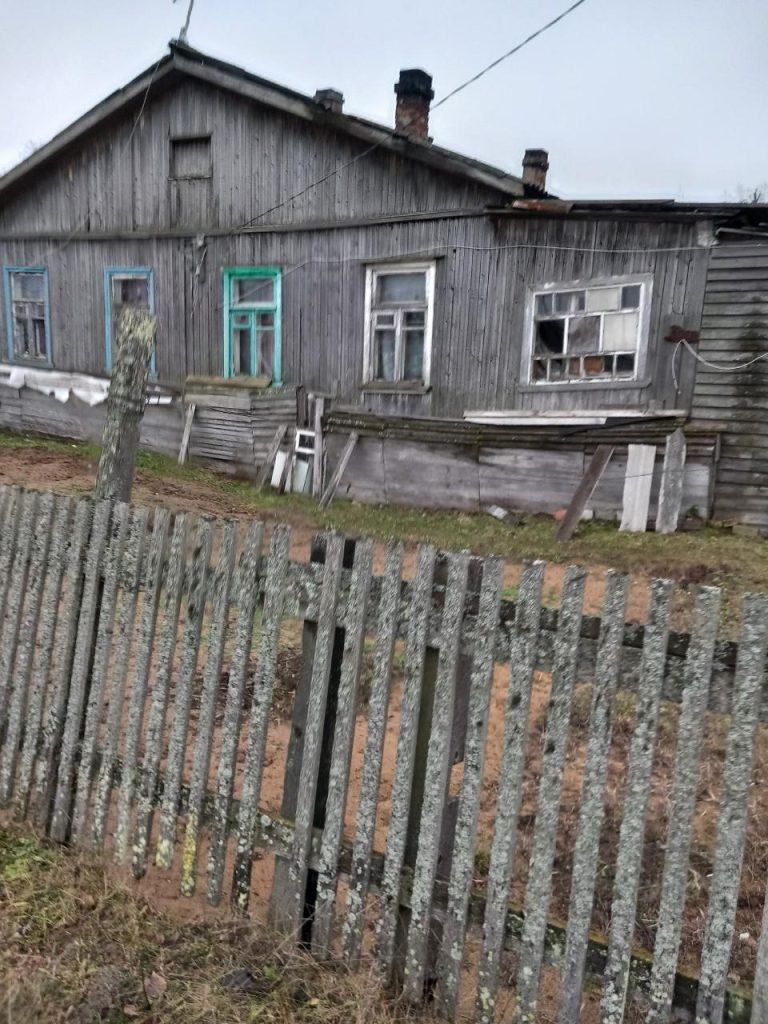
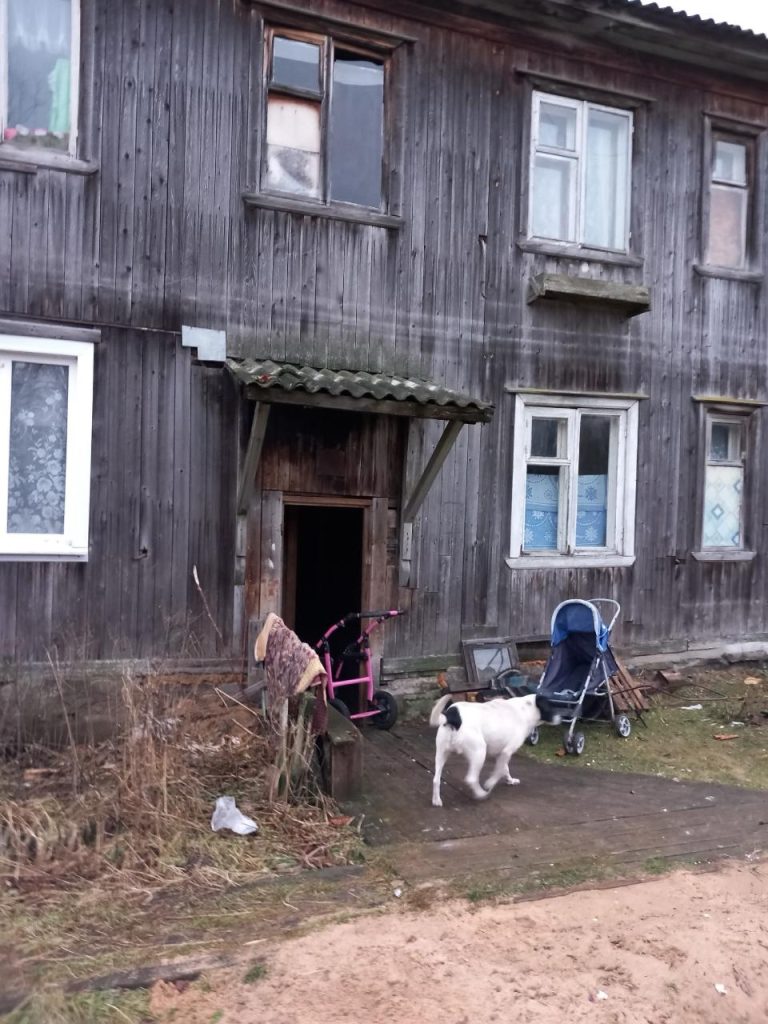
Multiple reports emerged in December indicating that individuals and families are living in potentially hazardous housing conditions, including buildings officially recognized as unsafe or unfit for habitation. Affected residents include families with children, persons with disabilities, elderly individuals, and at least one pregnant woman. The reports describe structural collapse risks, the lack of water and electricity, untreated waste pits, and persistent mold. In many cases, residents have notified the authorities of these conditions and the urgency of the situation; however, no administrative action has been taken to date.
These circumstances may raise concerns regarding the Russian Federation’s compliance with its obligations under international human rights instruments, including ICESCR Articles 11(1) and 12(1), CRC Articles 2, 27, CRPD Articles 19 and 28, particularly in relation to adequate housing, nondiscrimination, and the protection of vulnerable groups.
https://t.me/kalitki/18323
https://t.me/Slabunova/5128
C. Civil rights
i. Possible arbitrary detention
On 26 December 2025, the Supreme Court of the Republic of Karelia issued a sentence in a criminal case against Vladimir Koklovsky, a resident of Murmansk Oblast, who was found guilty under Article 275 (State Treason) of the Criminal Code of the Russian Federation. He was arrested on allegations of preparing sabotage against military infrastructure and two relay cabinets on a section of railway tracks, allegedly following instruction from an external Ukrainian actor.
As with similar cases under Article 275, concerns have been raised regarding the lack of transparency, the absence of publicly accessible court records, and the reliance on unexecuted acts of sabotage and terrorism in the prosecution. The case may therefore raise concerns regarding the Russian Federation’s compliance with ICCPR Article 9 and 14(1), particularly with respect to the right to protection from arbitrary arrest or detention and the right to a fair and public hearing by a competent, independent, and impartial tribunal.
https://epp.genproc.gov.ru/ru/proc_10/mass-media/news/regional/e8337771
ii. Fine imposed on alleged violation of State symbols
On 9 December 2025, Galina Ispodina, aged 64, was fined 2,000 rubles following a ruling by Anna Vladimirovna Katkova the magistrate of Judicial District No. 1 in the Medvezhyegorsk District of the Republic of Karelia, for an alleged violation of Article 17.10 (Violation of the procedure for the official use of state symbols of the Russian Federation) of the Administrative Code of the Russian Federation. The court decision followed the dissemination by local news media of an article defaming Ms. Ispodina and sharing video footage of the incident.
Ms. Ispodina informed the authorities that her decision not to stand during the anthem was due to medical reasons.
This case may raise concerns regarding the Russian Federation’s compliance with ICCPR Articles 17 and 26, particularly with respect to the rights to privacy and nondiscrimination.
https://medgora1.kar.msudrf.ru/modules.php?name=sud_delo&op=cs&case_id=46755006&delo_id=1500001
IV. Political Rights
i. Restrictions on Parliamentary debate during 2026 budget voting
On 4 December 2025, during the session of the Legislative Assembly of the Republic of Karelia in which the second and third (final) readings of the 2026 draft budget were held, the parliamentary majority, composed primarily of members of the United Russia faction, prevented opposition factions from fully presenting and discussing their proposed amendments. According to Emilia Slabunova, key member of the “Yabloko” faction, this occurred through procedural manipulation that limited the time allocated for debate, leaving insufficient opportunity for all factions to articulate their positions.
The budget was subsequently approved without the participation of representatives from “Yabloko”, “Spravedlivaya Rossiya”, and the “KPRF”, who left the chamber in protest.
This incident may constitute non-compliance with the Russian Federation’s obligations under ICCPR Articles 19 and 25, particularly regarding freedom of expression and the right to participate in public affairs. Additionally, the failure to consider amendments aimed at addressing significant socio-economic needs may have implications for the progressive realization of rights protected under ICESCR Articles 1, 2, 11, 12, and 13.
https://t.me/Slabunova/5050
https://t.me/Slabunova/5045
https://t.me/Slabunova/5046
ii. Rejection of opposition-nominated candidates for territorial election commissions
During the formation of Territorial Election Commissions (TECs) ahead of the upcoming federal electoral cycle, a disproportionate rejection rate affecting candidates nominated by the opposition party “Yabloko” has been noted. According to party representatives, the official justifications for these rejections included insufficient experience and inadequate qualifications, despite the fact that several rejected nominees reportedly possessed prior TEC experience and relevant professional backgrounds, including legal expertise.
This pattern follows earlier reports from the 2024 regional elections indicating heightened administrative scrutiny directed at the same political party.
While no direct evidence has been presented to demonstrate political motivation, the asymmetrical approval rates and the perceived lack of transparency in the evaluation criteria may raise concerns regarding the Russian Federation’s compliance with ICCPR Articles 25(b) and 25(c), as well as Articles 2(1) and 26, particularly with respect to equal access to public service and non-discriminatory treatment irrespective of political opinion.
V. Ecological Rights
i. Ecological concerns regarding the new general plan of Petrozavodsk
The newly proposed general plan for Petrozabodsk, the capital of the Republic of Karelia, covering the next 20 years, has raised significant concerns among local civil society organizations and environmental groups. The plan includes the proposed rezoning of the Kurgan forest from a protected area to a “specialized public-business development” zone, which would permit administrative, commercial, and institution construction. Concerns have been raised regarding potential deforestation, biodiversity loss, and the disappearance of a critical recreational space for city residents.
Local actors have also highlighted the possible impact that deforestation of the Kurgan area could have on living conditions and quality of life in Petrozabodsk. The reduction of the forest cover is expected to contribute to rising temperatures within the city, reduced air quality, and increased environmental stress, developments that could negatively affect the health of vulnerable groups and may also have broader psychological and mental-health consequences for residents.
Given these potential impacts on environmental and public health, the proposed rezoning may raise concerns regarding he Russian Federation’s compliance with its obligations under ICESCR Article 12, particularly with respect to the right to the highest attainable standard of physical and mental health. Depending on the effect on children and persons with disabilities, the situation may also implicate CRC Article 24 and CRPD Article 25, insofar as environmental degradation may impair access to safe, health living conditions for these groups.
https://vk.com/vashdeputatptz?w=wall-209605780_1481
https://www.mdpi.com/2076-3417/15/8/4358
https://pubmed.ncbi.nlm.nih.gov/40566335