
Monthly Report of the Deputy Human Rights Ombudsman in the Chuvash Republic
December 2025
Dear citizens, state authorities, and local self-government bodies of the Chuvash Republic!
I, the Deputy Human Rights Ombudsman of the Chuvash Republic, present a brief analysis of the most significant cases that, based on materials from the media and open sources, show signs of violations of human rights and freedoms.
1. Violation of the right to freedom of expression and a fair trial (Art. 29 of the Constitution of the Russian Federation, Art. 19 of the International Covenant on Civil and Political Rights, Art. 10 of the European Convention for the Protection of Human Rights and Fundamental Freedoms)
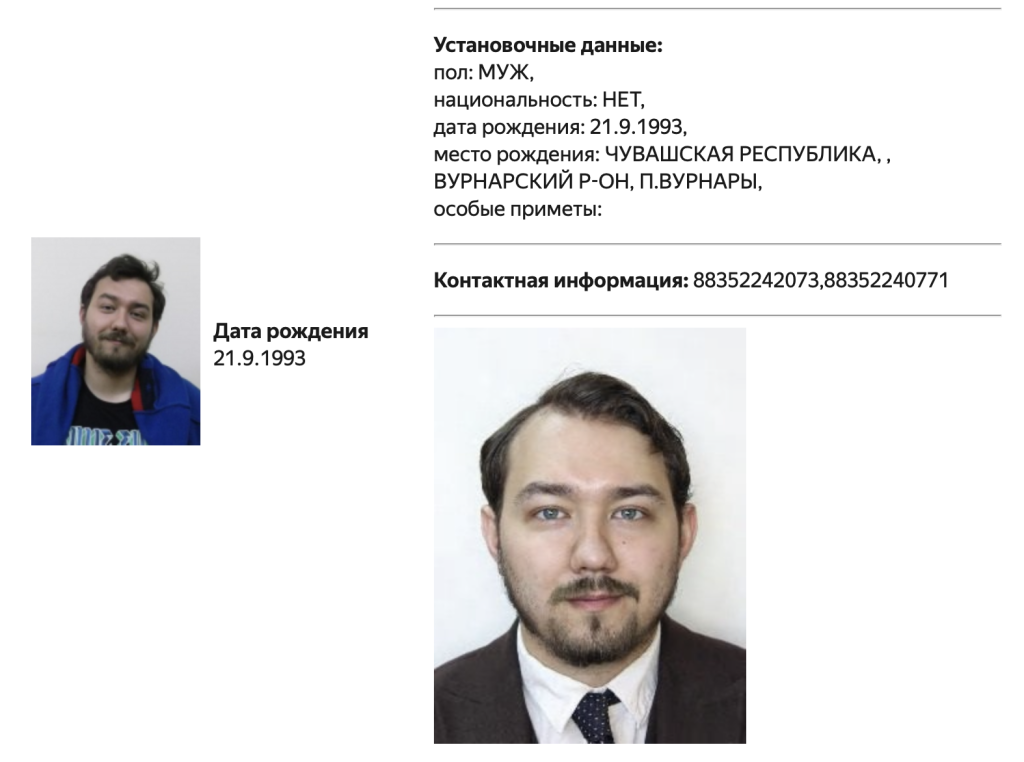
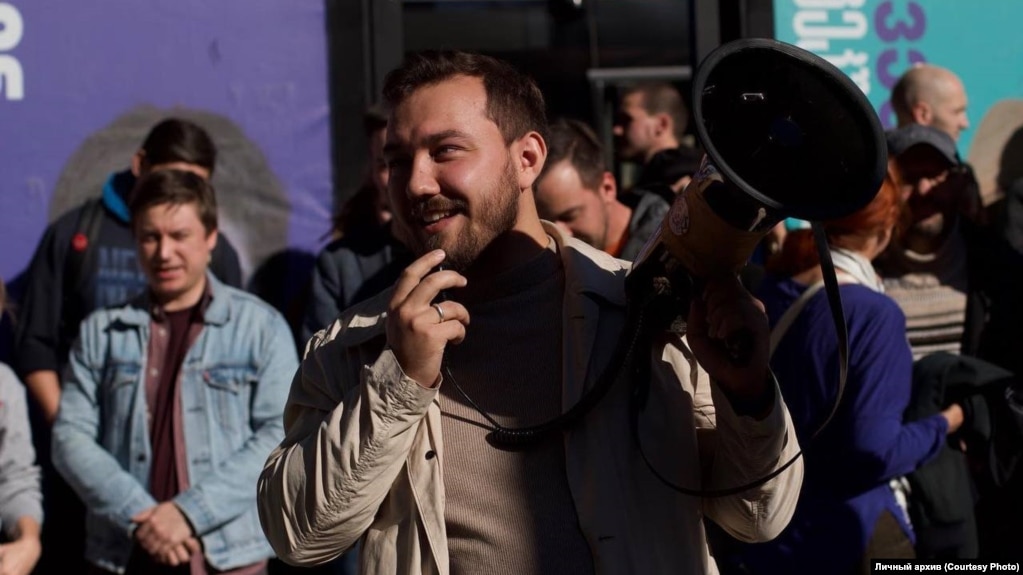
On December 2, 2025, the Leninsky District Court of Cheboksary sentenced in absentia the former coordinator of the local Navalny Headquarters, Semyon Kochkin, to 2 years of imprisonment and a fine of 150,000 rubles under three articles of the Criminal Code of the Russian Federation: repeated discreditation of the armed forces (five episodes), participation in an extremist organization, and violation of the legislation on “foreign agents.”
The basis was posts in the Telegram channel “Angry Chuvashia” calling for an end to the war and listing deceased military personnel, as well as mentions of the activities of the Anti-Corruption Foundation and Navalny Headquarters.
Position of the Ombudsman:
Criticism of state decisions, including military actions, and the dissemination of information about conflict casualties are not in themselves criminally punishable acts if they do not contain direct calls to violence. The use of criminal prosecution for such publications destroys freedom of speech and contradicts the position of natural human rights.
2. The right to life and security of the civilian population in conditions of armed attacks (Art. 20 of the Constitution of the Russian Federation, Art. 6 of the ICCPR, Geneva Conventions of 1949)
On December 9, 2025, drones attacked residential areas of Cheboksary. Houses and cars were damaged, 9 people were injured (including a child). The authorities opened a temporary accommodation point.
Special attention of the Ombudsman:
In Chuvashia, an air raid alert signal has still not been introduced in the event of a real threat. The absence of timely warning endangers the life and health of citizens, especially children and the elderly. This contradicts the requirements of the Federal Law “On Civil Defense” and the Fundamentals of State Policy in the Field of Civil Defense. Preserving “the absence of panic” cannot justify risking lives.
3. Freedom to disseminate information and the inadmissibility of punishment for photographing/video recording events of public importance (Art. 29 of the Constitution of the Russian Federation, Art. 19 of the ICCPR)
On December 1, 2025, a 22-year-old resident of Cheboksary was issued the first administrative protocol in the republic under Part 2 of Art. 3.1 of the Law of the Chuvash Republic “On Administrative Offenses” for filming and publishing footage of a UAV strike. Fine from 1 to 3 thousand rubles.
Position of the Ombudsman:
Filming and disseminating information about an emergency incident in one’s own city cannot be qualified as an offense if the materials do not contain information constituting state secrets. Such actions by citizens contribute to public oversight and prompt informing. The application of administrative pressure appears to be an attempt to restrict freedom of information.
Source: Telegram channel “Angry Chuvashia” (post dated 01.12.2025)
https://t.me/ChuvashiaDream/14650
4. Freedom of speech and the inadmissibility of persecuting journalists for criticizing authorities (Art. 29 of the Constitution of the Russian Federation, Art. 19 of the ICCPR, Recommendation CM/Rec(2016)4 of the Committee of Ministers of the Council of Europe)
On December 15, 2025, the editor-in-chief of the newspaper “Vzyatka,” Eduard Mochalov, was sentenced by the Morgaushi District Court to 180 hours of compulsory labor under Art. 319 of the Criminal Code of the Russian Federation (insulting a representative of authority). The reason was the article “Morgaushi Police Deserve Shackles, Not Praise,” in which the journalist cited facts of police inaction in the case of damage to a farmer Kuzmin’s hay and possible document falsification
regarding a 14-year-old girl.
Position of the Ombudsman:
Sharp criticism of officials, even with emotional expressions, if based on facts and concerning the performance of their official duties, is protected by Art. 29 of the Constitution of the Russian Federation. The European Court of Human Rights has repeatedly stated that public figures must tolerate a higher degree of criticism. The criminal prosecution of a journalist for an investigation looks like retaliation for professional activity.
Source: Telegram channel “Angry Chuvashia” (post dated 15.12.2025), original article:
https://anticor-21.livejournal.com/816854.html
https://t.me/ChuvashiaDream/14815
5. The right to education without ideological indoctrination (Art. 43 of the Constitution of the Russian Federation, Art. 13 of the ICCPR, Art. 29 of the Convention on the Rights of the Child)
Since December 22, 2025, all universities in the republic have sent mandatory presentations and lecture texts to teachers titled “On the Beginning of the Special Military Operation.” Main theses:
“Ukraine was preparing to attack first,” “orders to exterminate Russian-speakers,” “the Russian army saves civilians.”
Position of the Ombudsman:
Higher education institutions must remain spaces for critical thinking and scientific inquiry. The forced imposition of a single “official” version of historical events on students, many of whom pay for their education, contradicts the principles of academic freedom and Art. 29 of the Constitution of the Russian Federation (prohibition of ideological monopoly).
Source: Telegram channel “Angry Chuvashia” (post dated 22.12.2025):
https://t.me/ChuvashiaDream/14855
Final recommendations of the Ombudsman:
- To the Prosecutor’s Office of the Chuvash Republic — to conduct a review of all the mentioned criminal and administrative cases for compliance with the Constitution of the Russian Federation and Russia’s international obligations.
- To the Government of Chuvashia — to introduce a population alert system for air danger in the shortest possible time and publish the procedure for its application.
- To the Ministry of Education and Youth Policy of Chuvashia — to ensure compliance with the principle of pluralism in the educational process and to exclude the forced use of ideological materials in universities.
- To the State Council of the Chuvash Republic — to consider amending the republican law on administrative offenses to exclude the possibility of punishing citizens for disseminating information about events of public importance.