
Monthly Report on Human Rights Violations in the Republic of Karelia, Russian Federation
Reporting Period: January 2026
Prepared by: Jana Tiihonen (Bystrova)
Executive Summary
This report addresses recent developments in the Republic of Karelia, Russian Federation, in the month of January 2026. It highlights multiple incidents socio-economic, civil, and ecological rights violations.
The documented incidents reveal a consistent pattern of basic human rights violations including the failure to provide effective remedies, disregard for the protection of ecologically significant land, insufficient access to basic necessities, violation of the rights on fair trial, and possible violation on prohibition of torture and other cruel, inhuman or degrading treatment. Such practices may be incompatible with the Russian Federation’s obligations under the International Covenant on Civil and Political Rights (ICCPR), International Covenant on Economic, Social and Cultural Rights (ICESCR), Convention of the Rights of the Child (CRC), and Convention on the Rights of Persons with Disabilities (CRPD).
Total number of violations: 19
Methodology
The findings presented in this report are based on open-source information including official communications by Russian authorities, regional and federal legislation, credible media reporting, and research conducted by independent experts. Where possible, the report cross-references multiple sources to verify accuracy.
The report does not claim to be exhaustive. It focuses specifically on ten sets of incidents in January 2026 which illustrate systemic patterns of international law violations and disregard for international standards.
Findings
I. Socioeconomic rights
a. Unsafe living conditions
1. In Belomorsky District, a family has been living in a house that was officially deemed condemned in 1995. To date, the family has not been provided with alternative housing or relocation assistance.
This situation may constitute a non-compliance with the Russian Federation’s obligations under ICESCR Article 11, particularly regarding the right to adequate housing and the progressive realization of this right.
https://t.me/stolicaonego/17394
2. In Petrozavodsk, on 4 January 2026, a wooden residential building caught fire. Following the incident, residents were left without electricity, water of heating, and were not provided with temporary, safe shelter while the fire damage was addressed, as required under domestic law.
This situation may constitute a non-compliance with the Russian Federation’s obligations under ICESCR Article 11, particularly regarding the right to adequate housing and the provision of necessary support to affected individuals in cases of emergency or disaster.
https://stolicaonego.ru/news/zhiteli-gorevshego-nakanune-doma-zamerzajut-bez-sveta-i-vody
3. In Petrozavodsk, residents, including a mother and her five-month-old child, are living in an unsanitary and unsafe house. The entrance door is supported by only one hinge, creating a risk of collapse, while large icicles overhang the entrance, posing a significant danger of falling and potentially injuring residents. Steam from the basement results in very high humidity, further contributing to poor sanitation and unsafe living conditions.
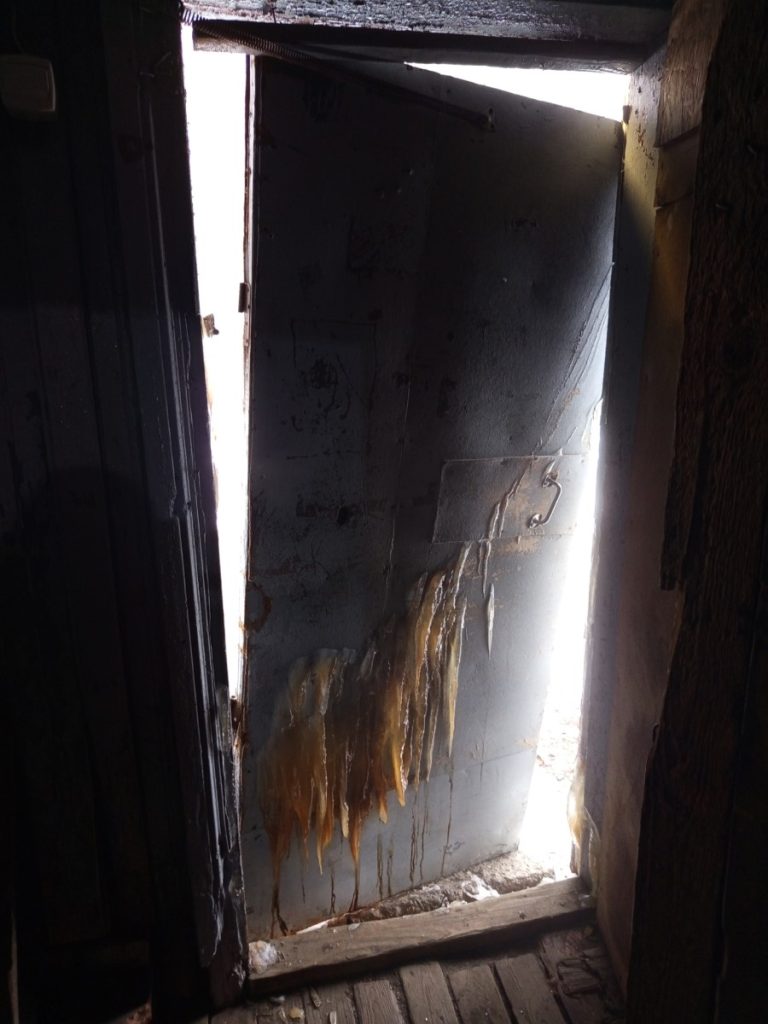
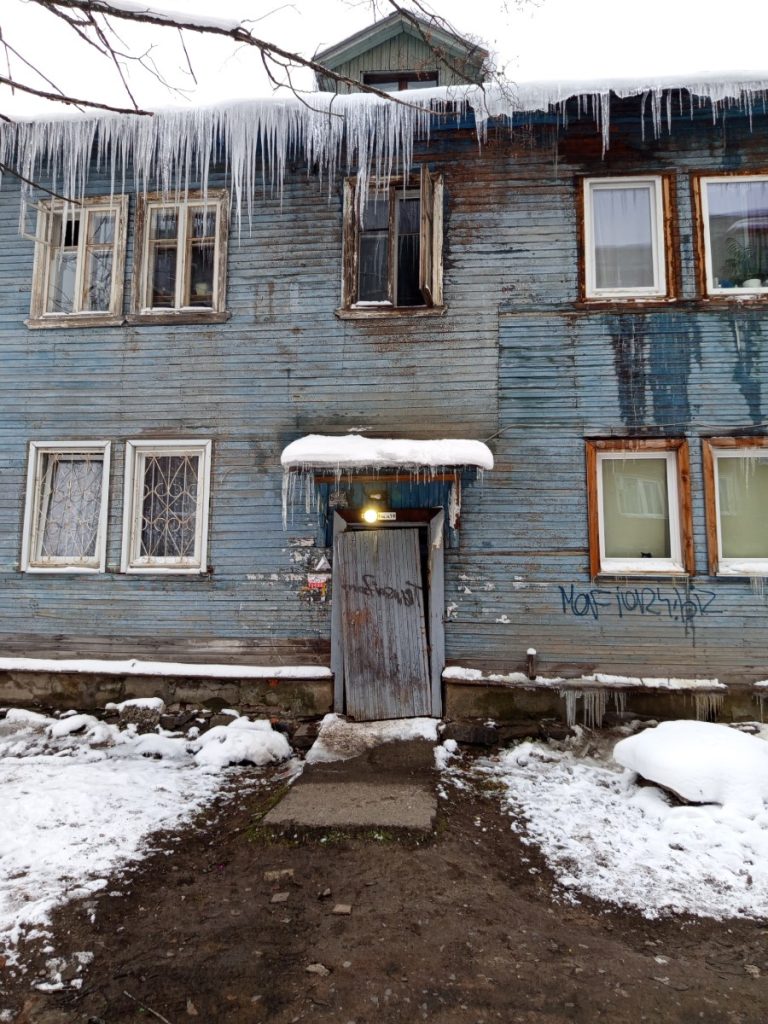
This situation may constitute a non-compliance with the Russian Federation’s obligations under ICESCR Article 11, regarding the right to adequate housing, and CRC Article 27, relating to children’s rights to a standard of living adequate for their physical, mental, and social development.
https://gubdaily.ru/news/v-petrozavodske-mat-s-rebenkom-ne-mogut-vyjti-iz-uzhasnogo-doma/
4. In Segezha town, Segezhsky District, residents of the building at Lenin Street 19 are living without proper heating and under conditions of poor maintenance and inadequate sanitation. Planned renovations have been repeatedly postponed, leaving the situation unresolved. The residents include children and elderly who are particularly vulnerable to the risks posed by these conditions.
These circumstances raise concerns regarding the Russian Federation’s compliance with ICESCR Article 11, concerning the right to adequate housing, and CRC Article 27, regarding children’s rights to a standard of living adequate for their development. In addition, the poor sanitation may negatively affect the health of children and elderly residents, potentially constituting non-compliance with ICESCR Article 12, relating to the right to the highest attainable standard of physical and mental health, and CRC Article 24, regarding the right of children to enjoy the highest attainable standard of health.
5. In Pitkyaranta, Pitkyarantsky District, residents of a multi-unit building have reported living for over eight years in conditions that pose serious health risks. The basement contains improvised sewage receptacles, and damages pipes remain unrepaired for extended periods. Standing wastewater generates pervasive fumes, and there is evidence of rodent infestation, creating unsafe and unsanitary living conditions.
This situation may constitute non-compliance of the Russian Federation’s obligations under ICESCR Articles 11 and 12, regarding the right to adequate housing and the right to the highest attainable standard of physical and mental health.
b. Health
6. In Petrozavodsk, individuals diagnosed with diabetes have been unable to access the prescribed medicine “Evodin” and test strips for the “Satellite Express” glucometer. This shortage has persisted since October 2025, and no resolution has been provided to date, leaving patients without essential treatment.
This situation raises concerns regarding the Russian Federation’s compliance with ICESCR Article 12, which guarantees the right to the highest attainable standard of health, and CRPD Article 25, which ensures the right of persons with disabilities to the highest attainable standard of health without discrimination.
https://t.me/podsluhano_ptz/7619
7. In Segezha town, Segezhsky District, students at the Middle General Educational School No. 5 are facing excessive academic workloads, reduced instructional hours, and unqualified management, resulting in a lack of clear systems and oversight of the educational process. Consequently, children are experiencing physical and emotional fatigue, loss of motivation, irritability, and anxiety.
These conditions raise concerns under the Russian Federation’s compliance with CRC Articles 24, 28, and 31, relating to the right to health, the right to education, and the right to rest and leisure. The situation may also constitute a non-compliance with ICESCR Article 12, as the excessive workload and lack of educational structure affect the students’ mental health.
https://gubdaily.ru/news/v-karelii-bolnym-diabetom-snova-ne-vydayut-lekarstvo/
https://t.me/podsluhano_ptz/7598
8. In Tiurula settlement, Lahdenpohja District, residents have raised renewed concerns regarding the long-standing absence of road infrastructure. During dry periods, dust pollution is pervasive, while heavy result in substantial mud accumulation. These conditions impede daily mobility and exacerbate chronic respiratory and other health issues, particularly among children and elderly residents.
In 2025, following the community’s first public appeal, regional authorities allocated financial resources for road improvements, however, these funds were later redirected to other settlements on the grounds that Tiutula’s road did not meet the criteria for “high-intensity use.”
This situation raises concerns regarding the Russian Federation’s compliance with ICESCR Article 12 and CRC Article 24, relating to the right to highest attainable standard of health. The retraction of previously approved funding despite repeated community appeals may further constitute non-compliance with ICESCR Article 2, concerning equality in the progressive realization of rights, and ICCPR Article 25, regarding equal access to public service and participation in public affairs.
9. In Petrozavodsk, at an Infectious Diseases Hospital, a child undergoing treatment was served a meal containing a worm. The incident was reported by the child’s mother on local social media. To date, no official investigation has been conducted. This is not the first incident were parents complain about the food served to children in Infectious Diseases Hospitals in Petrozavodsk, as according to earlier reports children were provided with inadequate food of questionable quality.
This situation raises concerns regarding the sanitary conditions and food safety protocols in healthcare facilities and may constitute non-compliance by the Russian Federation with CRC Article 24, concerning children’s right to the highest attainable standard of health, and ICESCR Article 12, relating to the right to the highest attainable standard of physical health.
c. Basic necessities
10. In Kinelahta settlement, Pryazhinski District, residents are experiencing repeated disruptions in the electrical power supply, which significantly affect essential services and community well-being. Community members report feeling neglected, as repair teams frequently arrive late and infrastructure maintenance is inadequate. These systemic electricity issues also pose risks to sanitation systems and heating infrastructure.
This situation raises concerns regarding the Russian Federation’s compliance with ICESCR Articles 11 and 12, relating to adequate standard of living and the highest attainable standard of health, and my also implicate Article 25 of the UDHR, which guarantees the right to an adequate standard of living.
https://ptzgovorit.ru/news/zhiteli-otdalennogo-poselka-karelii-ostalis-bez-elektrichestva
https://rk.karelia.ru/accident/energetiki-vernuli-svet-pochti-vo-vse-poselki-pryazhinskogo-rajona
11. In Belomorsk Town, Belomorsky District, residents have experienced persistent problems with water supply due to low water pressure, which prevents the use of basic appliances and severely restricts personal hygiene. Similar incidents were documented in 2024 and 2025, resulting from infrastructure failures or planned maintenance. In multiple cases, residents reported insufficient communication and delayed responses from municipal water authorities. These recurring problems indicate systemic deficiencies in the water supply infrastructure and inadequate contingency mechanisms to ensure continuity of service.
Given the pattern and persistence of these issues, the situation in Belomorsk may constitute non-compliance with the Russian Federation’s obligations under ICESCR Articles 11 and 12, particularly with respect to the right to water as articulated in General Comment No. 15, and raises concerns regarding the realization of the human right to water, as recognized in the UN General Assembly Resolution 64/292.
12. Across Karelian settlements, residents who lack access to centralized water supply and rely on decentralized cold facilities, such as wells, standpipes, and boreholes, have reported ongoing problems with the condition of these systems. A year prior, local deputy Emilia Slabunova requested an official inspection of the facilities and received a response stating that the facilities were in satisfactory and operable condition. However, according to the deputy, many settlements experiencing problems with decentralized water supply were not included in the report, and she is still receiving multiple complaints about the state of the facilities. Additionally, in settlements were residents also rely on local water bodies have expressed concern about deteriorating water quality due to pollution from human activity.
These conditions raise concerns regarding the Russian Federation’s compliance with ICESCR Articles 11 and 12, particularly with respect to the right to water articulated in General Comment No. 15, and raises concerns regarding the realization of the human right to water, as recognized in the UN General Assembly Resolution 64/292.
https://karelia.rbc.ru/karelia/08/04/2025/67f5374b9a7947a76cf6de23
https://vk.com/wall-170133739_523355
d. Education
13. In Berezovka, Kondopoga District, parents have publicly complained about administrative inaction regarding the provision of transportation for their child to School No. 8. In September 2025, the child was not allowed to use the school bus serving nearby School 7, despite the close proximity of the two schools. Parents submitted official appeals to the administration of School No. 8 and the district prosecutor’s office, but no solution has been provided to this date.
The case may signify non-compliance with the Russian Federation obligation’s under Article 28 of the CRC, as it interferes with the child’s access to education.
https://t.me/podsluhano_ptz/7461
14. In Vidany village, Pryazhinsky District, a student must walk a significant distance along an unsafe road where wild animals, including wolves, have recently been sighted. Parents requested that the local administration provide transportation from the child’s residence to the designated school bus collection point. Officials initially indicated that a contract with a private driver could be arranged, but the decision was later revoked due to the absence of an approved school route and legal limitations on contracting with individuals.
These circumstances may interfere with children’s access to education and raise concerns regarding the Russian Federation’s compliance with CRC Articles 3 and 28, relating to the best interests of the child and the right to education. Additionally, the requirement to travel along hazardous route may additionally constitute non-compliance with CRC Article 19, concerning the right of the child to be protected from all forms of physical and psychological harm.
e. General
15. In Segezha District, a significant reduction in public transportation services has been reported, according to official sources. Residents state that the changes have adversely affected their ability to reach workplaces, restricted access to socially essential services, including clinics, pharmacies, and grocery stores, and created difficulties for children commuting to schools. These mobility limitations are particularly acute in remote areas of the District. Municipal and regional authorities have not provided alternative transportation arrangements to mitigate the impact of the reductions.
This situation raises concerns under several provisions of the ICESCR. Restrictions on access to workplaces may undermine the right to work under Article 6. Impeded access to healthcare facilities may constitute non-compliance with Article 12. Barriers to children’s ability to attend school raise concerns under Article 13. The disproportionate impact on residents of remote and low-income areas may further engage Articles 2(2) of the ICESCR, concerning non-discrimination in the enjoyment of Covenant rights.
II. Civil rights
16. In late January, reports emerged concerning a student from Murmansk who was studying at a conservatory in the Republic of Karelia and was detained for a minor misdemeanor. The student was apprehended for shoplifting food from a local supermarket. According to the student’s lawyer, the case could have been resolved through an administrative fine or reconciliation with the retailer.
Instead, following the detention, the student signed a military service contract and was getting ready to be sent to the front. This occurred in the context of Federal Law No. 61-FZ of 23 March 2024, which introduced amendments to Federal Law No. 24-FZ allowing individuals accused of minor offenses to avoid criminal prosecution by signing a military service contract. These legislative changes coincide with documented reports of police officers receiving incentives for facilitating military enlistment, as well as at least one documented case in which an individual was allegedly coerced into signing a military contract through torture.
Against this background, the circumstances of the student’s detention and subsequent enlistment raise serious concerns under the ICCPR. Resolving a minor offense through compulsory or coerced military enlistment may undermine the right to a fair and impartial process, engaging Article 14 of the ICCPR. Moreover, if the military contract was signed under pressure or duress, this may implicate Article 18, as forced participation in military service may interfere with freedom of conscience.
Additionally, should this case follow the pattern of similar documented incidents involving coercion, intimidation, or physical or psychological pressure, it may raise concerns under Article 7 of the ICCPR, insofar as the definition of torture under Article 1 of the CAT includes acts intentionally inflicted for purposes of coercion.
https://russianlife.com/the-russia-file/law-order-and-war-contracts
III. Ecological Rights
17. In Lahdenpohja District, an unplanned official inspection identified illegal construction and misuse of land officially designated for agricultural purposes. Part of the activities occurred within the boundaries of Ladoga Skerries National Park, a protected natural area. The construction resulted in the stripping of fertile topsoil, effectively removing nearly five hectares of land, the modification of a riverbed, and the filling of a section of the shoreline. The total environmental damage has been assessed at over 41 million rubles.
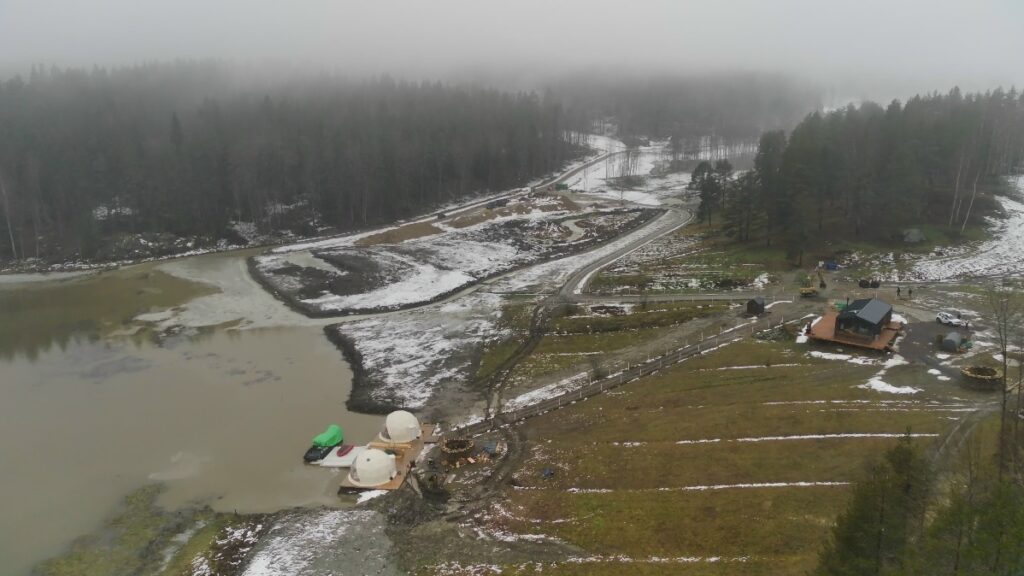
The construction of a tourist facility on agricultural land was carried out with minimal public disclosure and without meaningful participation of the local community, in apparent violation of land-use and environmental protection regulations. The failure of the authorities to prevent and adequately regulate these activities, and to avert the resulting ecological damage, may constitute a violation of the human right to a clean, healthy, and sustainable environment, as recognized by UN General Assembly Resolution 76/300 (2022), as well as non-compliance with Articles 5, 6, and 7 of the Aarhus Convention.
18. On Kilpola Island, in Lahdenpohja District, ongoing judicial supervisory proceedings have revealed indications of unlawful construction and misuse of land officially designated as agricultural territory. Several of the activities reportedly occurred within the boundaries of the Ladoga Skerries National Park. Despite the land’s protected status and agricultural designation, capital construction, road building, shoreline alteration, and other forms of land transformation were undertaken by the LLC “Sigma Plus”, with limited public disclosure and without meaningful consideration of the views of the local community.
Residents have reported, that while the litigation remains ongoing, construction equipment and materials continue to arrive at the disputed site, raising concerns regarding the effectiveness of interim protective measures. Additional concerns include the issuance of construction permits by local authorities whose representatives have repeatedly failed to appear before the court proceedings related to the case.
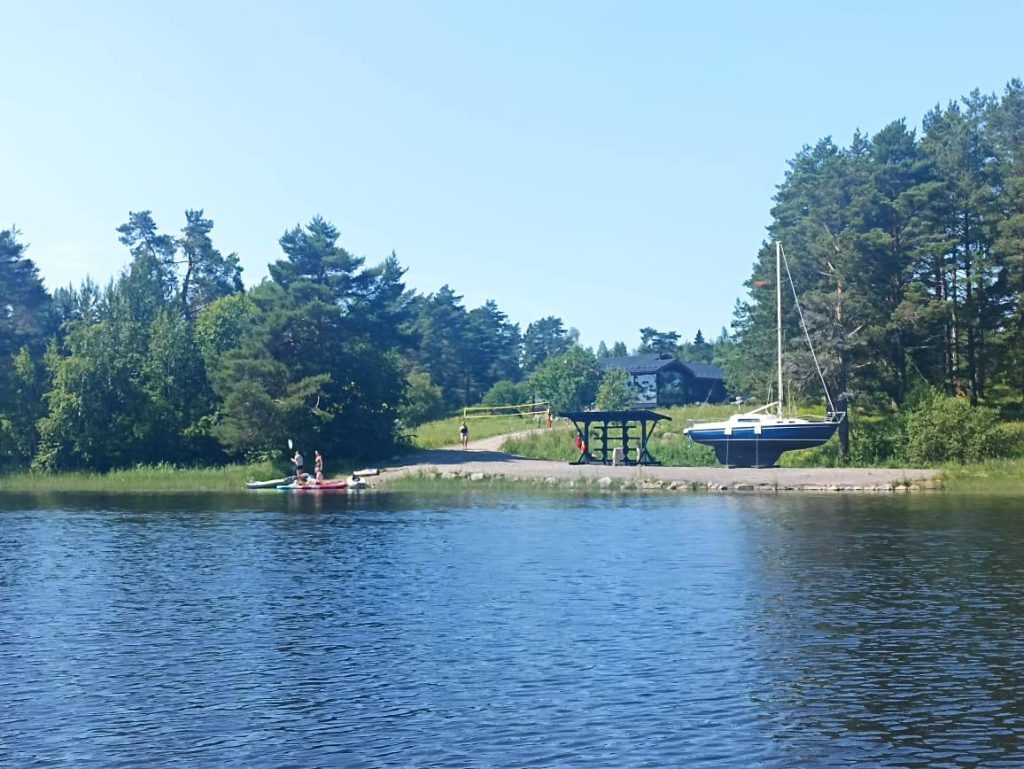
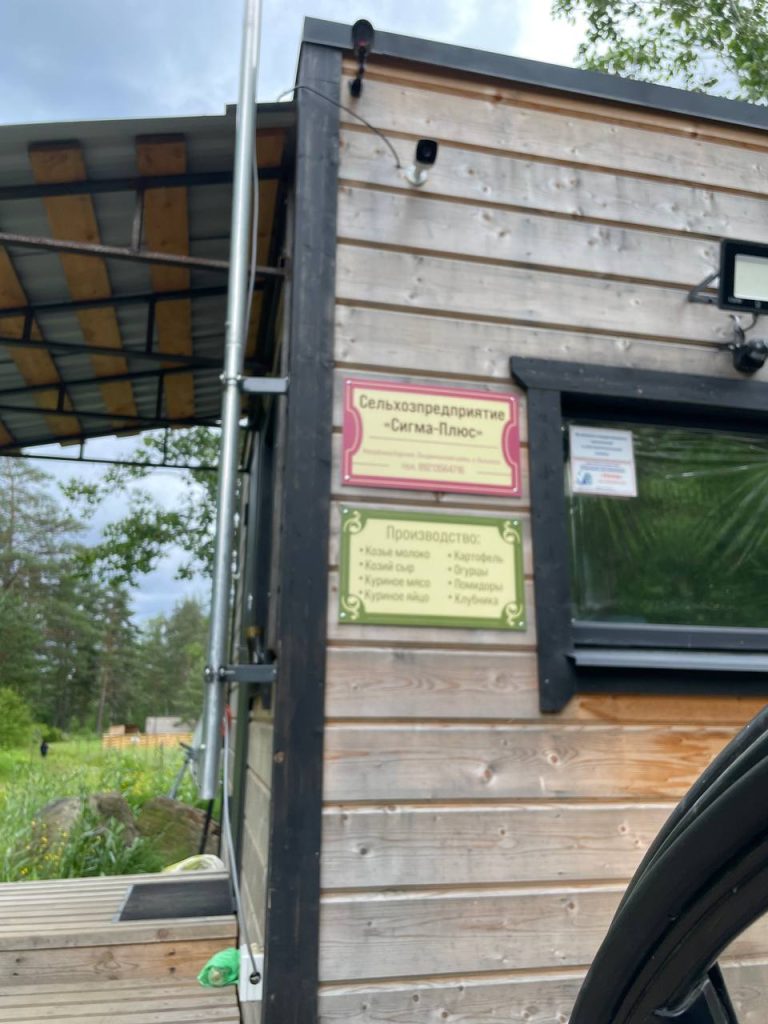
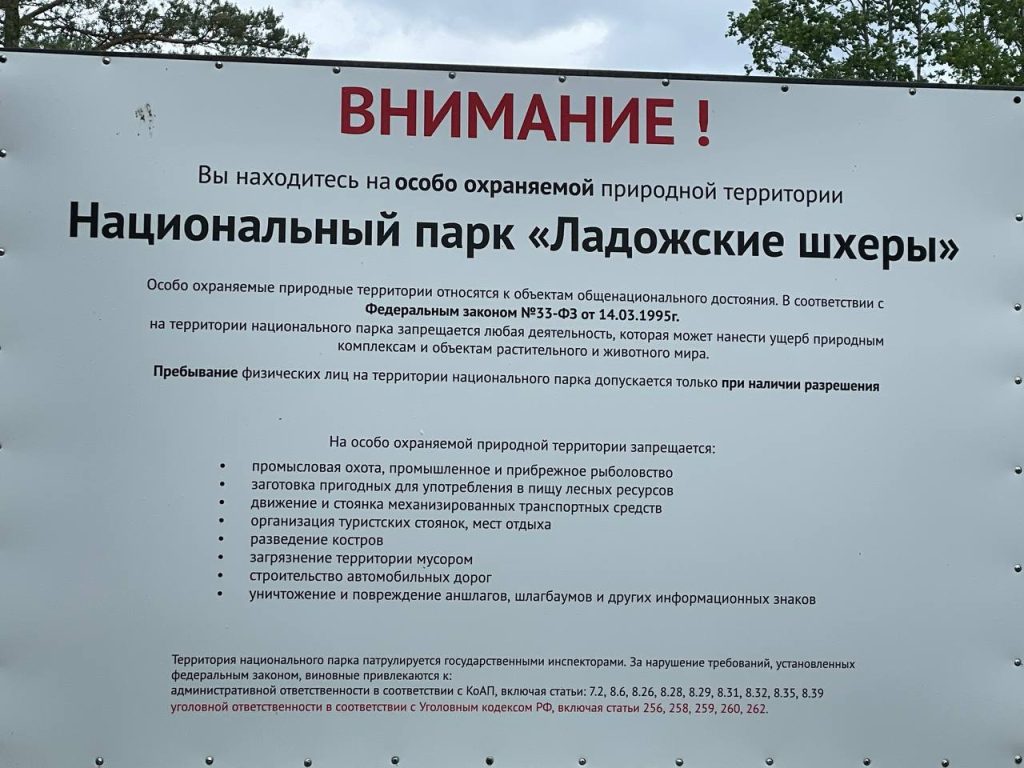
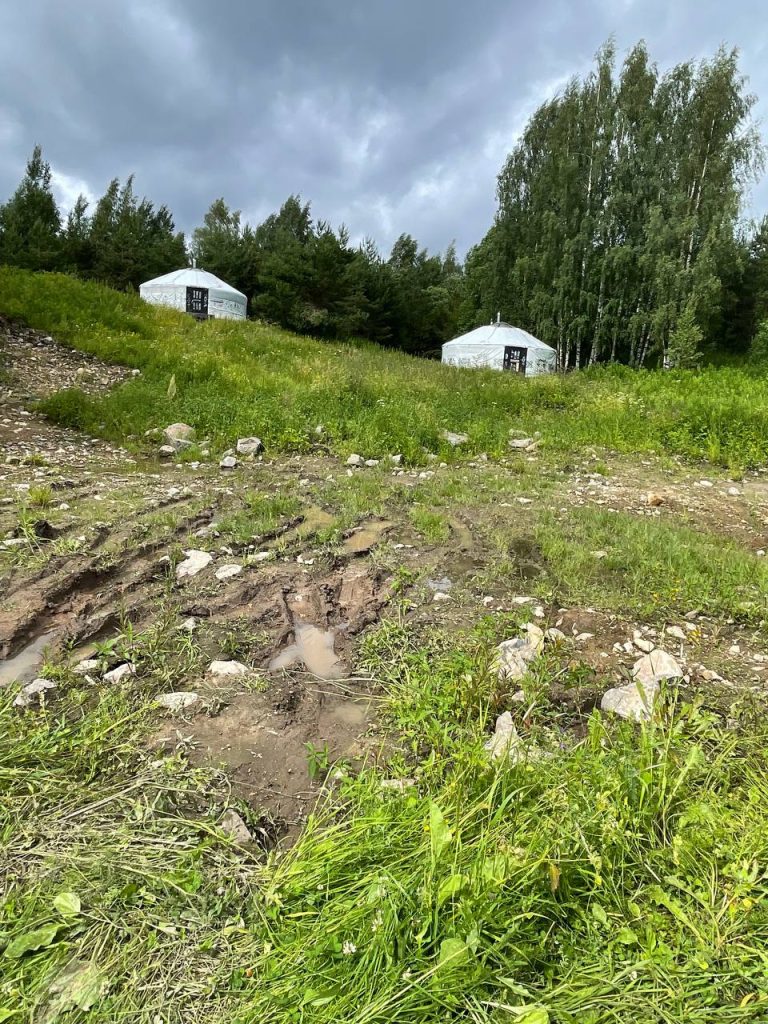
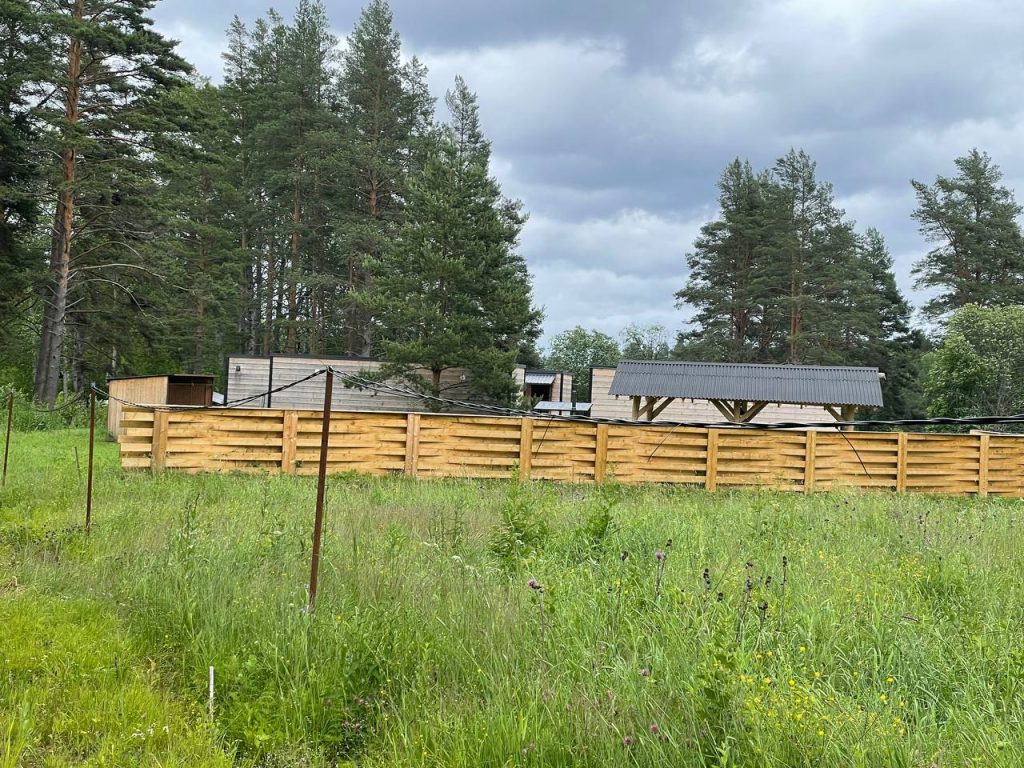
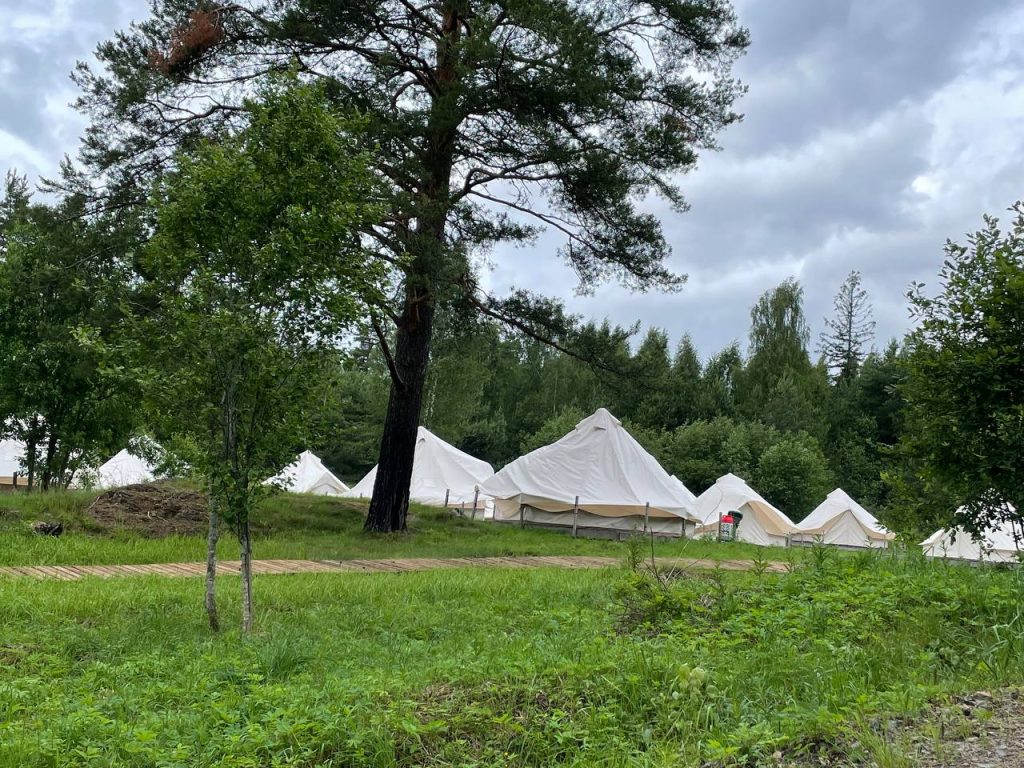
These developments suggest potential shortcomings in preventing unauthorized construction within protected natural area and in ensuring effective compliance with land-use and environmental legislation. The continued alteration of ecologically valuable land, the apparent insufficiency or regulatory enforcement, and restrictions on access to information and public participation may raise concerns under Articles 5, 6, and 7 of the Aarhus Convention, as well as Articles 2(3), 19, and 25 of the ICCPR.
19. In Medvezhyegorsky District, during the most recent judicial review concerning the formation and management of aquaculture plot No. 181 in Unitskaya Bay of Lake Onega, the Supreme Court of the Republic of Karelia upheld the legality of the plot, despite substantial evidence presented by local residents and their legal representatives, indicating that portions of the plot extended onto the terrestrial land of Mizh Island.
Investigations revealed that two of the four boundary coordinated of aquaculture plot No. 181 fall on Mizh Island, which constitutes terrestrial land, contrary to federal legislation prohibiting the inclusion of land areas within fish-farming plots. Official representatives further raised concerns regarding the use of “OziExplorer”, a consumer-grade mapping software, rather than professional geospatial tools, for determining plot boundaries. In addition, residents reported that the Ministry of Agriculture, responsible for the formation and oversight of fish-farming plots, demonstrated limited adherence to technical and professional standards in the delineation and review process.
The continued operation of trout farming on aquaculture plot No. 181, despite disputed boundaries and sustained community objections, raises questions regarding compliance with environmental and administrative legislation. The use of non-professional software for establishing plot coordinates, the apparent lack of rigorous technical verification, and limited transparency in administrative decision-making suggest potential deficiencies in the lawful and sustainable management of freshwater resources.
https://ptzgovorit.ru/news/zhiteli-karelskogo-poselka-chastichno-pobedili-forelevodov-v-sude