
Report on Human Rights Violations in the Komi Republic
March 2026
Introduction
The Republic of Komi is one of the most illustrative examples of how the imperial policy of the federal centre is capable of transforming an indigenous people into a completely disenfranchised group on their own land. Modern decolonial rhetoric and anti-war protest in the region are not abstract concepts, but a direct reaction to the existential threat of the disappearance of ethnic identity, which has intensified sharply since 2022. The full-scale war against Ukraine has exposed the ultimate form of Moscow colonialism, whereby the region is compelled to pay a “blood tax” for the sake of the imperial ambitions of the centre.
This report analyzes the human rights situation in the Komi Republic as of March 2026. The document records an escalation of repressive practices, manifested in the systematic violation of fundamental freedoms guaranteed both by the Constitution of the Russian Federation and by the international obligations of Russia under the UN Charter and applicable conventions.
Sources of Information (или Evidentiary Base)
The conclusions and factual part of the report are based on a comprehensive monitoring of open data, including:
• Official acts: Published decisions of regional and federal courts, registries of Rosfinmonitoring, and official statements of officials from the law enforcement agencies of the Komi Republic.
• Regulatory and legal analysis: Assessment of the impact of new federal laws (in particular, Article 13.53 of the Code of Administrative Offences of the Russian Federation and legislation on countering terrorism) on law enforcement practice in the region.
• Verified evidence: Reports from independent media, data from human rights organizations, and the findings of investigations by independent experts.
• Cross-checking: In order to ensure maximum reliability, each incident has undergone a cross-verification procedure through several independent information channels.
Subject Matter and Limitations of the Report
This report does not constitute an exhaustive inventory of all legal violations in the region. Its purpose is to focus on key incidents as of April 2026, which most clearly illustrate sustained patterns of the systemic disregard for international standards of justice.
Below is a structured summary of the most significant and verified repressive cases in the Komi Republic. The material is divided chronologically: ongoing and concluded criminal cases for the years 2023–2025, and separately — current judicial prosecutions of the ongoing year of 2026.
As confirmation of the reality of the cases, links to publications in various media are provided for each case.
PART 1: Criminal Prosecution of the Opposition in Komi (2023–2025)
During this period, the FSB and the courts of the region virtually entirely abandoned the practice of administrative fines, shifting to the assembly-line imposition of lengthy real custodial sentences under serious articles (“justification of terrorism” — Article 205.2 of the Criminal Code of the Russian Federation) for expressing a civic stance.
1. The Case of History Teacher Nikita Tushkanov (Mikun)
Context: Nikita Tushkanov – a history teacher, originally dismissed from his school for a solo picket, consistently spoke out against Russification and imperial aggression.
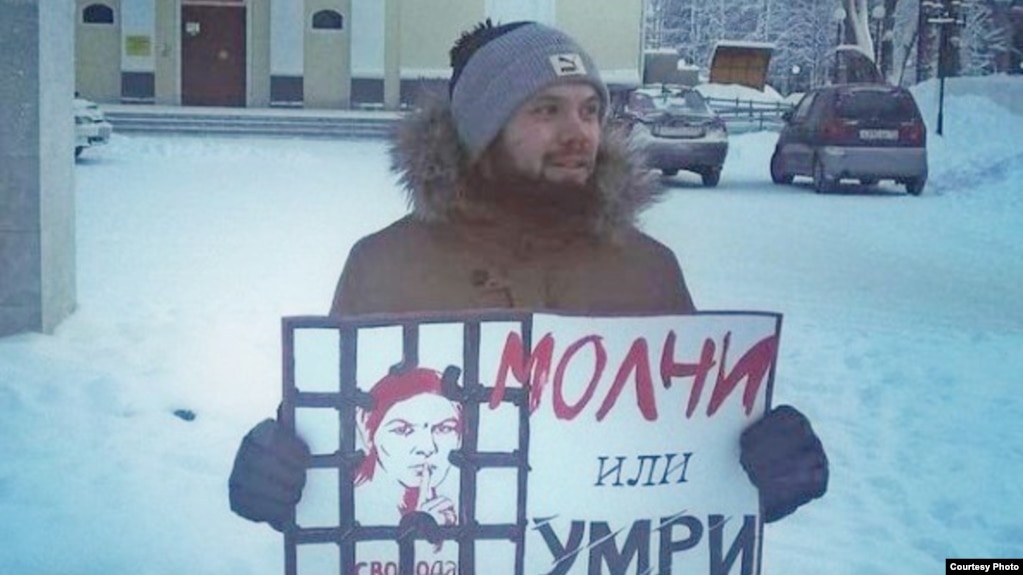
• Sentence: In May 2023, the court sentenced him to 5.5 years in a general regime correctional colony (in September 2023, the appeal slightly reduced the sentence to 5 years).
• Substance of the accusation: Part 2 of Article 205.2 of the Criminal Code of the Russian Federation (“Justification of terrorism”) and the article on “discrediting” the army. The grounds were his publications on social media, where he analysed the explosion on the Crimean Bridge, calling it a legitimate military target for Ukraine that supplies the southern grouping of the forces of the Russian Federation.
2. The Case of the Author of the “Cynical Komiak” Blog, Nikolai Farafonov (Vuktyl)
• Context: Farafonov maintained a regional anti-war Telegram channel under the explicitly ethnic name “Cynical Komiak”, where he criticised mobilization and the imperial policy of the centre. He had previously been subject to fines for “discrediting” the army.


• Sentence: In March 2024, the First Western District Military Court sentenced the blogger to 6 years of deprivation of liberty in a general regime correctional colony.
• Substance of the accusation: Article 205.2 of the Criminal Code of the Russian Federation. The law enforcement authorities imputed to him posts and comments in the channel, in which arson attacks on military commissariats were discussed and approved as a radical form of resistance to state policy.
3. The Case of Rural History Teacher Igor Tyron (Village of Nivshera)
• Context: A 43-year-old teacher of history, social studies, and geography from the traditional Komi-speaking village of Nivshera (Kortkerossky District).
• Sentence: He was arrested at the end of December 2024, and in April 2025, sentenced to 5 years of deprivation of liberty in a general regime correctional colony.
• Substance of the accusation: Part 2 of Article 205.2 of the Criminal Code of the Russian Federation (“Public justification of terrorism”). The teacher was imputed with internet comments containing a positive evaluation of the activities of the Ukrainian unit “Azov” (recognized as a terrorist organization in the Russian Federation). Immediately after his arrest, Rosfinmonitoring included him on the list of terrorists, blocking his accounts.
PART 2: Deployment of Repression and Underground Resistance (2026)
In 2026, against the background of legal protest being forced into deep underground and emigration, the Directorate of the FSB for the Komi Republic began to apply even harsher combinations of charges against the remaining activists, adding articles on the “financing” of terrorism to its “justification”.
- The Case of V. E. Tarasov (Syktyvkar) — March 2026
https://vk.com/wall-179244416_8022
• Context and arrest: On 26 March 2026, the Syktyvkar City Court of the Komi Republic granted the motion of the investigative body and remanded local resident V. E. Tarasov in custody.
• Substance of the accusation: The law enforcement authorities initiated prosecution against him under two particularly serious articles at once: Part 2 of Article 205.2 of the Criminal Code of the Russian Federation (“Public justification of terrorism on the Internet”) and Part 1.1 of Article 205.1 of the Criminal Code of the Russian Federation (“Financing of terrorism”). He is imputed with publishing a text entry in an open internet channel approving the explosion on the Crimean Bridge, as well as the fact of transferring funds to the benefit of structures recognized as terrorist organizations in the Russian Federation. The investigation of the case is being conducted by the investigative department of the Directorate of the FSB of Russia for the Komi Republic.
2. The Case of Former Candidate for Deputy Oksana (Ksenia) Bagirova (Ukhta)
• Identity: Oksana Bagirova is a political activist from Ukhta. At one time, she actively participated in legal regional politics, was nominated for the State Council of the Komi Republic by the CPRF, and took second place in her electoral district.
• Background of pressure: The law enforcement authorities started prosecuting her a long time ago: back in 2022, Bagirova was fined twice on the same day under an administrative article for “discrediting” the Russian army. In September 2025, the Directorate of the FSB transferred the prosecution into a criminal dimension, and the woman was remanded in custody in a pre-trial detention centre.
• Current status (March 2026): The First Western District Military Court found her guilty and sentenced her to 6 years of deprivation of liberty in a general regime correctional colony. Prosecutor Denis Ozhindovsky had requested exactly this term. Bagirova participated in the court hearings via video-conferencing from the Syktyvkar City Court.
Substance of the accusation and the facts of the case:
She was imputed with two counts under Part 2 of Article 205.2 of the Criminal Code of the Russian Federation (“Public justification of terrorism on the Internet”). The prosecution was built on publications from past years:
- The first count (Post on the end of the war): In 2022, she reposted a publication from an opposition Telegram channel, which analysed the counter-offensive of the Armed Forces of Ukraine and gave a hypothetical forecast that in the event of a military defeat, panic would break out in the Kremlin, and “Shoigu would be sent to the gallows”. The prosecution deemed this an “appeal for the execution of the Minister of Defence”. In court, Bagirova explained that she had saved the text solely as a political science forecast in order to check it against reality later, and had not called for anyone to be hanged.
- The second count (Comment on Operation “Web”): In 2025, a post was published in the “Honest Female Deputy” Telegram channel about successful attacks by Ukrainian drones on Russian military airfields (Operation “Web”). Under this post, Bagirova left a comment: “Epic! As a Russian woman, I am admired! Glory to Ukraine!”. The expert assessment of the law enforcement authorities discerned a “justification of terrorism” in the expression of this emotion.
Part 3. Violation of Socio-Economic and Environmental Rights
https://takiedela.ru/news/2021/05/27/komineft
https://static.istories.media/uploaded/documents/5ab5307a3e684b2a89418d3f30e32e3f.pdf
Despite significant volumes of hydrocarbon, coal, and timber extraction, Komi remains financially depleted. The lion’s share of tax revenues from the activities of extractive corporations goes directly to the federal budget. At the same time, long-term environmental risks (such as regular spills of oil products due to the high degree of wear of regional oil pipelines) and social costs fall exclusively on the local population.
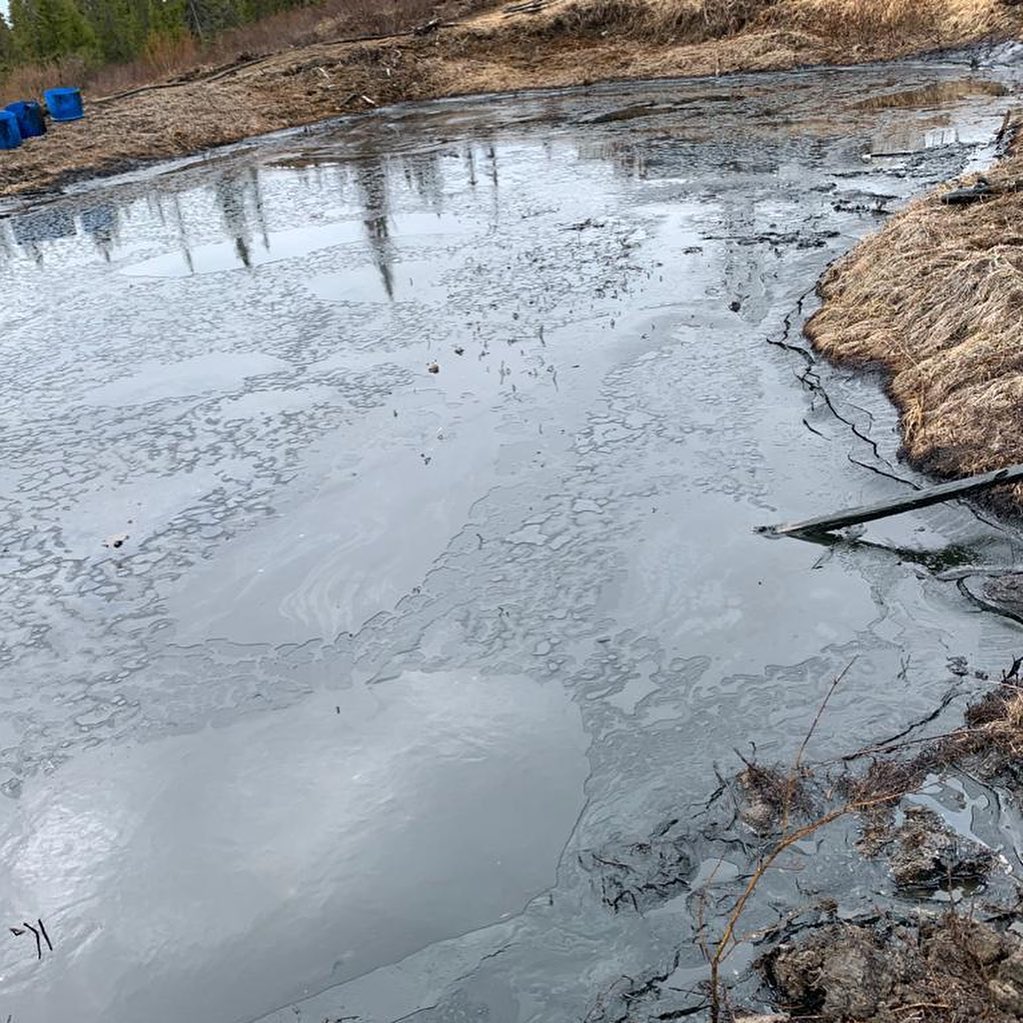
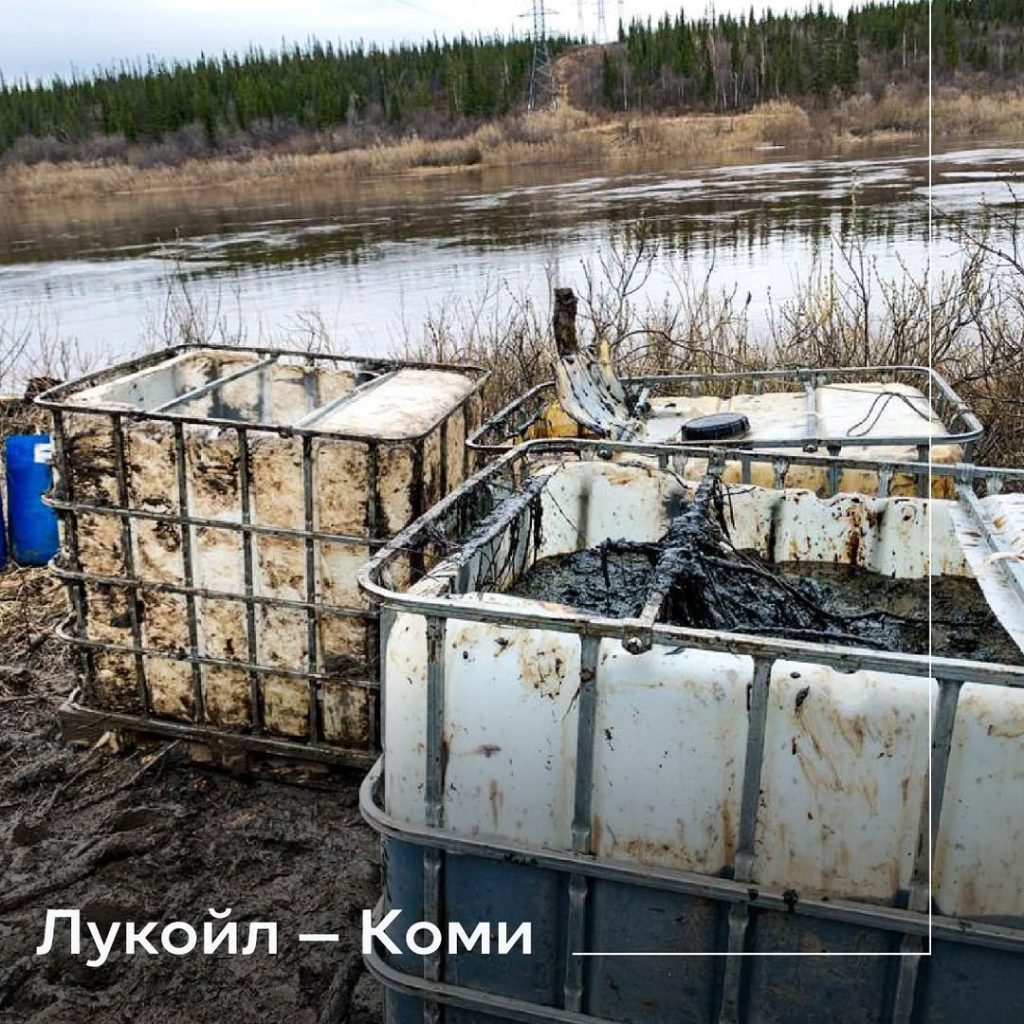
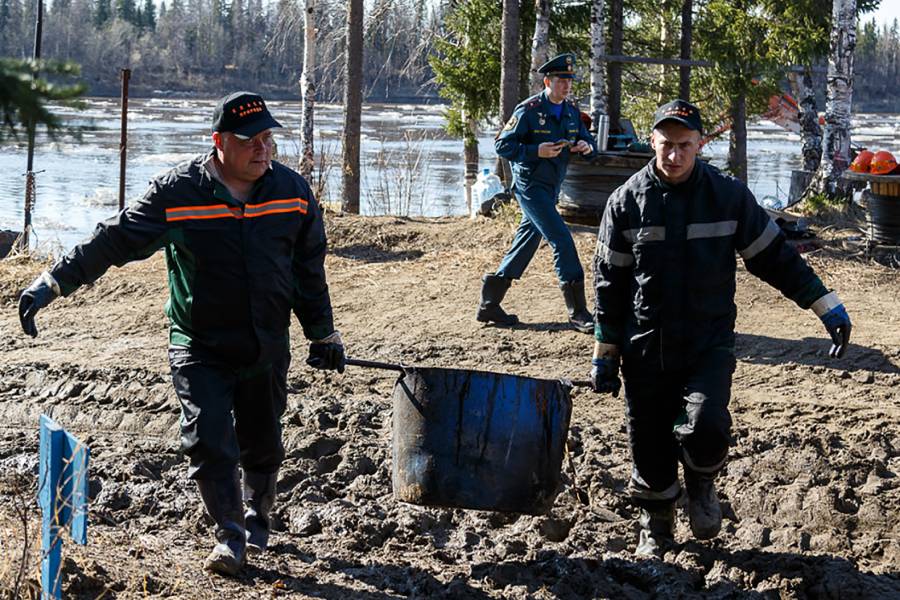
For the rural communities of the Komi Republic, the taiga and surrounding swamps are not just nature, but a direct source of survival and income. The ingress of oil into the swamps has paralyzed the activities of local residents:
• Destruction of berry patches: swamps are key harvesting locations for cloudberries, cranberries, and blueberries. The oil film, penetrating into the moss (sphagnum), becomes preserved there for years. Local communities have effectively been deprived of a part of their traditional ancestral lands, the gathering of berries on which fed entire families during the autumn and winter.
• Threat to the hunting trade: the pollution of soil and swamps with fuel oil creates a deadly trap for upland game, waterfowl, and small fur-bearing animals, whose migration routes and feeding areas cross the affected zone.
There is also a direct threat of oil products entering major water arteries through the swamps and streams. River water is the basis of the fishing industry and the source of drinking water supply for remote villages and hamlets where there is no centralized water supply system. Local activists immediately expressed well-founded fears that toxic substances could poison fish (especially valuable salmonid species), which form the basis of the diet of indigenous residents.
Moscow takes the revenues from the oil, leaving the region with pipelines with a wear rate of up to 83%. Because of this, accidents occur every half hour, destroying the trades of the Komi for hundreds of kilometres downstream of the rivers, whilst officials conceal up to 70% of disasters, concurrently clearing by the forces of the law enforcement agencies any protests by local residents attempting to save their land.
Violation of environmental rights of citizens: Attempts at industrial development of the “Yugyd Va” National Park in the interests of big business
https://kprf.ru/dep/gosduma/activities/241735.html
1. Substance of the violation and the object of infringement
The right of citizens to a favorable environment, guaranteed by Article 42 of the Constitution of the Russian Federation, as well as international obligations to protect UNESCO World Heritage sites, have been violated.
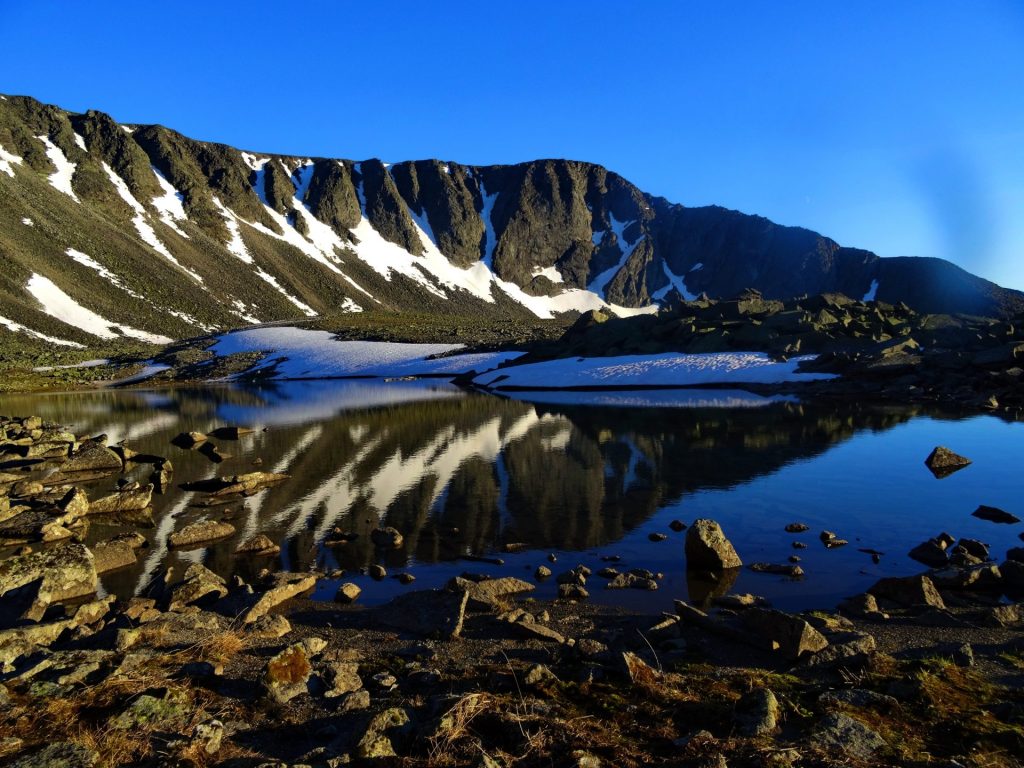
The object of the unlawful interests of subsoil users is the “Chudnoye” gold deposit, located in the very center of the “Yugyd Va” National Park (Komi Republic). The park has the status of a federally protected natural area (SPNA) and is part of the UNESCO site “Virgin Komi Forests”. Any industrial activity and mining here are explicitly prohibited by the Federal Law “On Specially Protected Natural Areas”.
2. Key stakeholders and lobbying entities
Behind the attempts at commercial development of the protected lands lie the interests of big business, which is tightly integrated into state power:
• Subsoil user: The license for the area is held by JSC “Zoloto Inty” (formerly CJSC “Gold Minerals”).
• Beneficiaries: According to independent journalistic investigations, the company is controlled by entities of PJSC “Vysochaishiy” (GV Gold) and executives of “Lanta-Bank” (specifically, S. Dokuchaev).
• Political lobby: Investigations indicate a direct business connection between the company’s beneficiaries and the family of Sergey Chemezov, head of the state corporation “Rostec” (through his son, Stanislav Chemezov).
• Blocking of control: In early 2026, the “United Russia” faction in the State Duma blocked a parliamentary inquiry to the Prosecutor General’s Office to verify the legality of issuing the license to this company, effectively restricting the mechanisms of state and deputy control.
3. Colonial nature of the federal center’s policy
The situation surrounding the “Chudnoye” deposit demonstrates a classic model of internal colonization of regions by Moscow:
• Resource exploitation disregarding regional opinion: Decisions on issuing licenses and the fate of Komi’s protected lands are made by federal agencies (Rosnedra, Ministry of Natural Resources of the Russian Federation) in Moscow, solely in the interests of oligarchic groups and state corporations close to the Kremlin. Profits from gold mining accumulate in the capital or are transferred offshore, while the region is left with a destroyed ecosystem and long-term environmental problems.
• Suppression of local resistance: The federal center and the parliamentary majority under its control (“United Russia”) consistently ignore protests by local residents, scientists of the Ural Branch of the Russian Academy of Sciences, and environmentalists. Attempts by regional deputies from Komi (specifically, initiatives by the CPRF) to protect the republic’s natural heritage at the legislative level are harshly blocked at the State Duma level in Moscow. The destruction of the unique nature of the Subarctic Urals is perceived by the federal center as an acceptable “price” for the enrichment of the capital’s elites.
4. Chronology and methods of violations
Stakeholders use administrative resources to bypass environmental legislation:
• Illegal licensing: In February 2021, Rosnedra issued a gold mining license to JSC “Zoloto Inty” within the SPNA territory, which directly contradicts federal law.
• Attempts to change the park’s boundaries: The Ministry of Natural Resources of the Russian Federation and the regional government have repeatedly attempted to exclude the deposit lands from the national park. These attempts were ruled illegal and blocked by the Supreme Court of the Russian Federation under pressure from the environmental community.
• Actual damage: On the lands leased by JSC “Zoloto Inty” inside the national park, the presence of heavy machinery, illegal logging, littering of the territory, and poaching were recorded. At the same time, state regulatory bodies ignored these violations for years.
5. Potential environmental consequences
Industrial gold mining at the “Chudnoye” deposit will inevitably lead to catastrophic consequences for the region’s ecosystem:
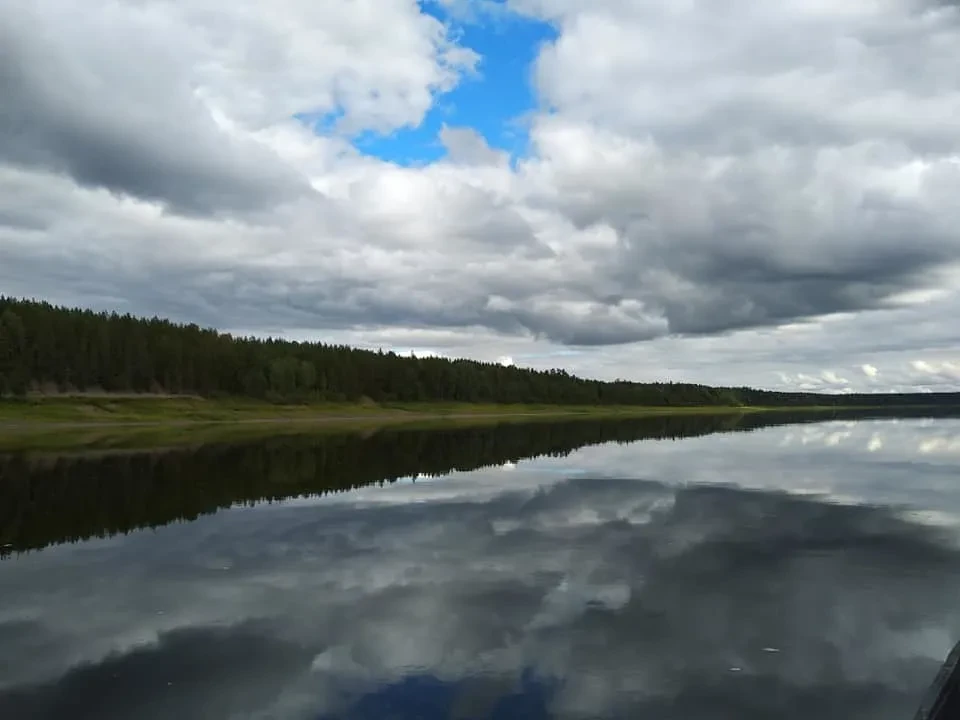
• Destruction of the hydro system: The deposit is located in the basin of the Kozhim River — a spawning river for valuable fish species (salmon, grayling). Disruption of riverbeds and water pollution will lead to the destruction of the population.
• Destruction of biodiversity: Open-pit mining, road construction, and machinery noise will destroy the unique landscapes of the Subpolar Urals and the migration routes of wild animals.
• International damage: The start of mining will lead to the transfer of the “Virgin Komi Forests” to the List of World Heritage in Danger, which will cause serious reputational damage.
The situation surrounding JSC “Zoloto Inty” and the “Yugyd Va” park is a vivid example of environmental colonialism, where the commercial interests of a narrow group of individuals connected to the top management of Moscow state corporations are placed above the constitutional rights of the residents of the Komi Republic, federal laws, and international obligations.