
Report on Human Rights Violations in Chuvashia
September 2026
Ombudsman of Chuvashia, Commissioner for Human Rights Mikhail Oreshnikov
Violations of Political Rights
1. Pressure on voters and public sector employees
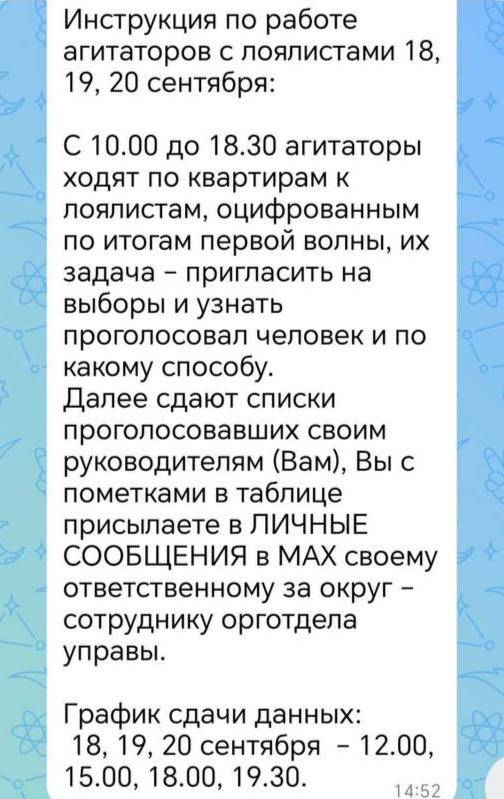
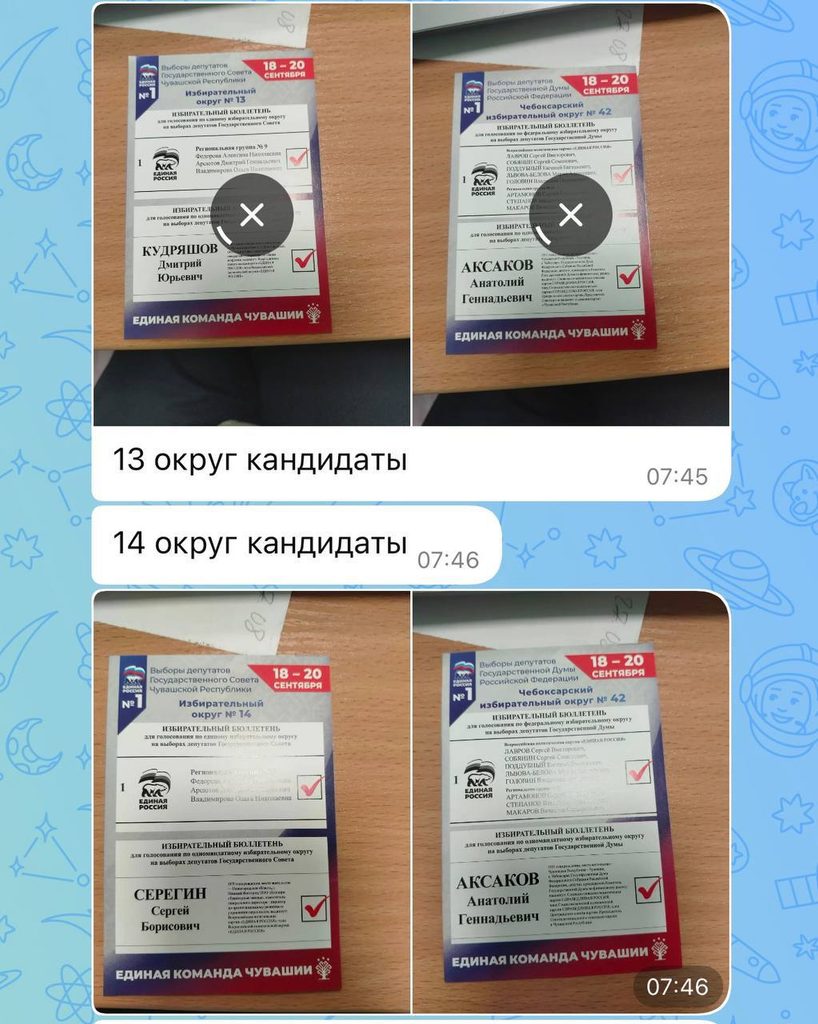
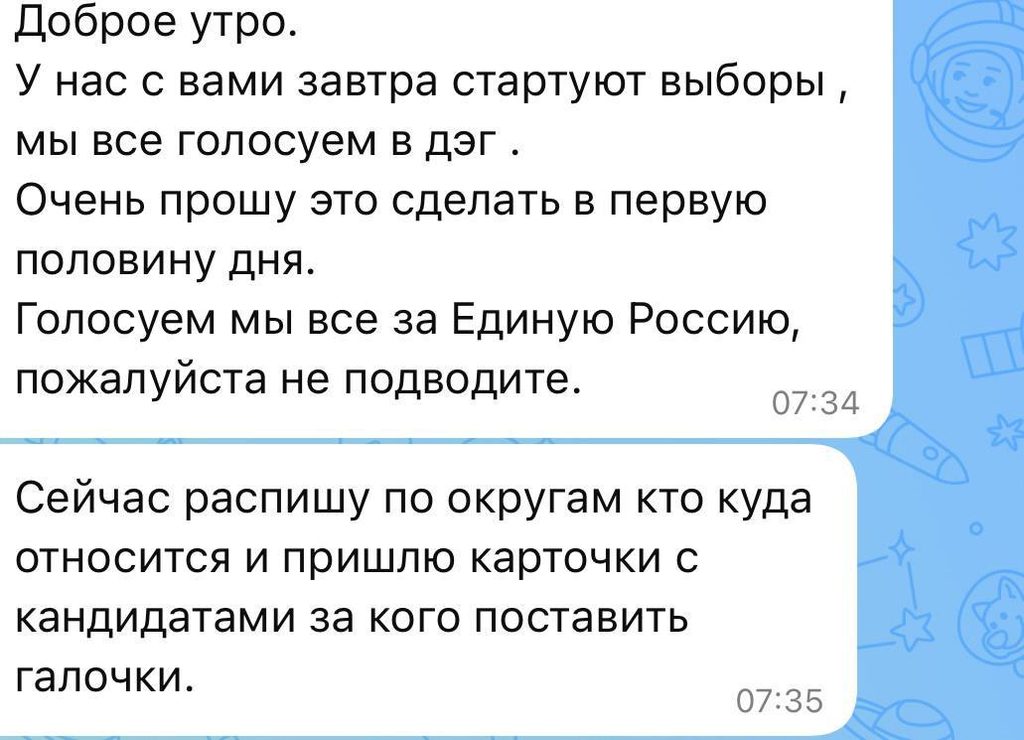
During the regional and federal elections in September, the Telegram channel ChuvashiaDream published reports that teachers, kindergarten workers and other public sector employees were being coerced into voting via remote electronic voting (DEG), required to report on their voting, and pressured to support United Russia.
On 18 September the channel reported that teachers were summoned to schools to vote in the presence of management. Another publication claimed that employees were forced to collect information about who had voted and by what method.
On 19 September OVD-Info separately published a report on a statement by Communist Party candidate Alexander Filippov, who spoke about pressure and violations during the elections. According to him, officials and members of election commissions campaigned against him and threatened residents.
Legal analysis. If the coercion is confirmed, it may affect:
- Articles 3 and 21 of the Universal Declaration of Human Rights — freedom and genuineness of elections;
- Article 25 of the International Covenant on Civil and Political Rights — the right to take part in elections without unreasonable restrictions;
- Article 32 of the Constitution of the Russian Federation — the right to elect and be elected;
- Article 3 of Federal Law No. 67-FZ “On Basic Guarantees of Electoral Rights…”, which establishes the voluntary nature of participation in elections and the secrecy of the ballot.
Coercion of an employee by an employer to vote for a particular candidate or party is incompatible with the principle of free expression of will.
2. Fine imposed on candidate Vladislav Arkadyev for an old publication
On 19 September OVD-Info reported that Vladislav Arkadyev, head of the regional branch of the Yabloko party, was fined 1,000 roubles under Article 20.3 of the Code of Administrative Offences of the Russian Federation for displaying prohibited symbols. The grounds were old posts on the Odnoklassniki social network, including a link to the FBK investigation “He Is Not Dimon”, published in 2017. The video material contained symbols of an organisation recognised as extremist in 2021.
According to OVD-Info, on 10 September the Supreme Court of Chuvashia removed Arkadyev from the State Duma elections in single-mandate constituency No. 43. The administrative fine was imposed after he had already been removed from the ballot.
Legal analysis. The episode affects freedom of expression and the right to participate in elections. Applicable provisions include Article 19 of the Universal Declaration of Human Rights, Articles 19 and 25 of the International Covenant on Civil and Political Rights, and Articles 29 and 32 of the Constitution of the Russian Federation.
The key question is whether it is permissible to impose liability for an old link to material published before the organisation was recognised as extremist, and to use such punishment as a ground for restricting electoral rights.
3. Lyubov Samukova: fine for a link to Instagram
On 11 September media reported that Lyubov Samukova, a candidate from the New People party for the State Council of Chuvashia, was fined as a result of an administrative case related to a link to Instagram that had been posted on her VKontakte page approximately six years earlier. On 4 September the Kalininsky District Court of Cheboksary found her guilty under the article on displaying extremist symbols and imposed a fine of 1,000 roubles.
Initially, media reported that she had been removed from the elections as a result of the court finding her guilty of the administrative offence. Later this information about her removal was refuted.
- https://t.me/ChuvashiaDream/18095
- https://t.me/ChuvashiaDream/18107
- https://t.me/ChuvashiaDream/18106
- https://t.me/ChuvashiaDream/18128
- https://ovd.info/en/express-news/2026/09/19/former-yabloko-candidate-who-was-removed-election-has-been-fined-over-post
- https://obshestvo24.info/2026/09/11/kandidatku-snyali-s-vyborov-v-chuvashii-posle-publikatsii-ssylki-na-instagram/
- https://t.me/ChuvashiaDream/18016
- https://t.me/ChuvashiaDream/18069
Repressions
4. Jehovah’s Witness sentenced to 6.5 years in a penal colony
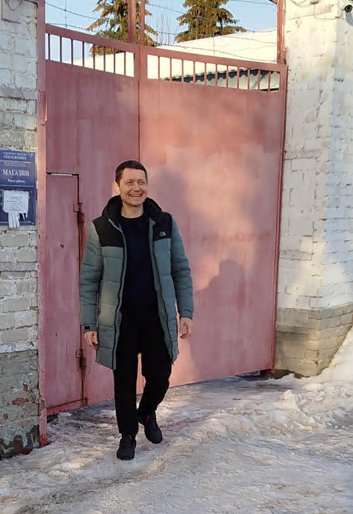
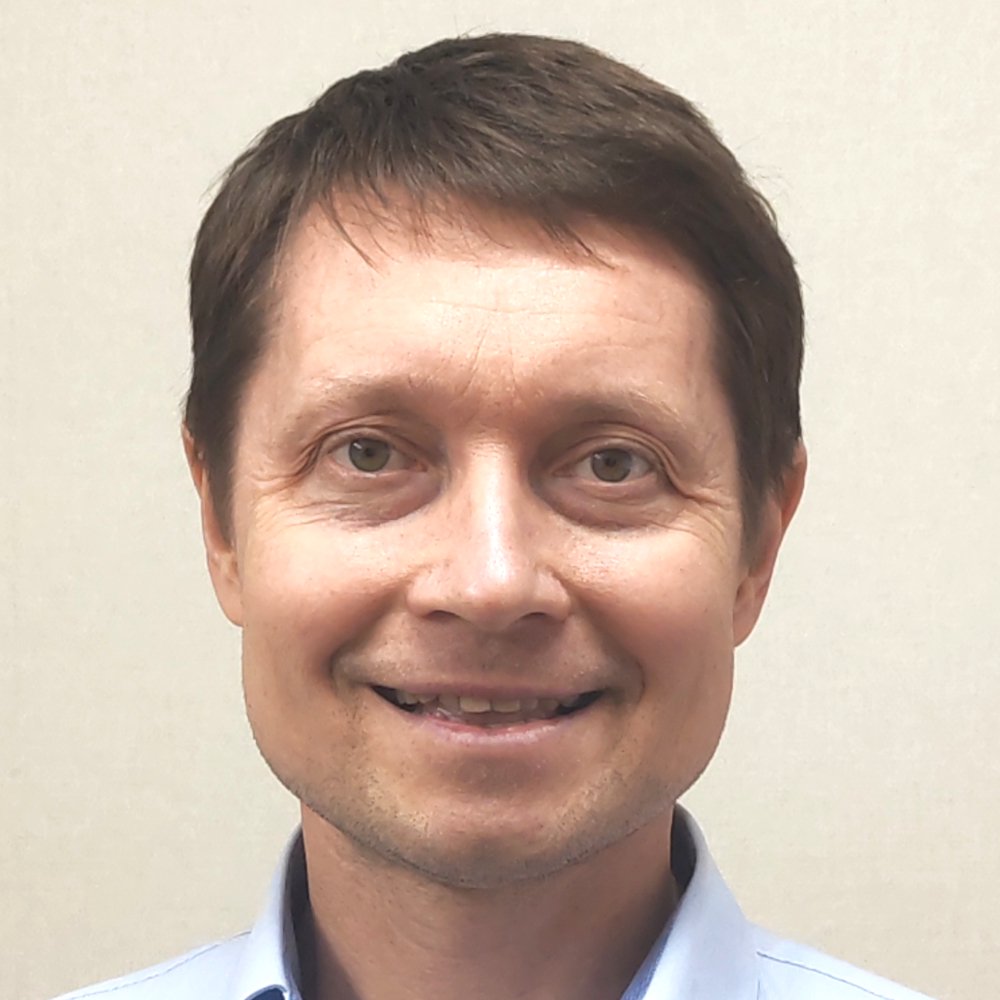
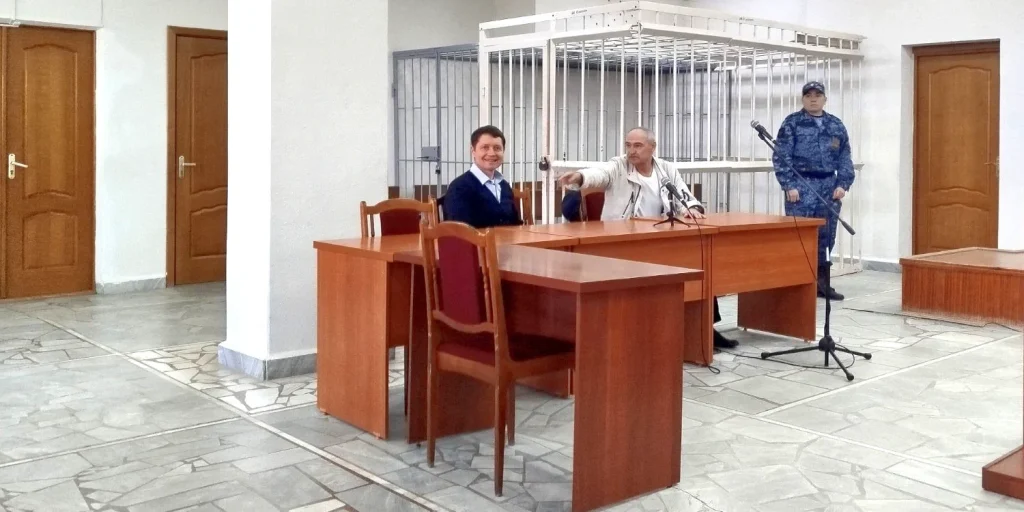
On 22 September a 46-year-old resident of Chuvashia, Jehovah’s Witness Albert Pilshchikov, was convicted under the article on organising the activities of an extremist organisation (Part 1 of Article 282.2 of the Criminal Code). The Novocheboksarsk City Court sentenced him to six and a half years in a general-regime penal colony.
It should be recalled that as early as 2022 the European Court of Human Rights, in a collective application by 1,444 applicants, found the persecution of Jehovah’s Witnesses to be incompatible with the norms of international law.
In 2026 the UN Human Rights Committee also recognised the actions of the Russian Federation against Jehovah’s Witnesses as religious discrimination and a violation of freedom of conscience.
- https://www.sova-center.ru/religion/news/extremism/chuvash/2026/09
- https://www.sova-center.ru/news/chuvash/2026/09
- https://www.jw-russia.org/cases/cheboksary2/index.html
5. Criminal case against a resident of Chuvashia who stepped on the “eternal flame” is under consideration
On 23 September 2026 the Supreme Court of the Chuvash Republic began consideration of a criminal case opened under Part 3 of Article 354.1 of the Criminal Code (insulting the memory of the defenders of the Fatherland). The accused, 47-year-old Chuvashia resident Alexei Borisov, twice stepped on the “eternal flame” burning near a monument to those who died in the Great Patriotic War.
The initiation of a criminal case over such a minor incident, which caused no visible harm either to those around or to the “desecrated” monument itself, raises concern about the adequacy of the work of law-enforcement agencies and the right to a fair trial.
6. A child arrested in Chuvashia for spreading unnamed “terrorist ideas”
On 28 September in Chuvashia a 15-year-old child was arrested for participation in unnamed “terrorist communities” and for “spreading terrorist ideas”, also unnamed. It is presumed that he listened to and distributed alternative music by a black metal group whose vocalist had been recognised as the organiser of an extremist community. This assumption arose among human rights defenders because the child was wearing a hoodie with the name of his favourite group.