
Monthly Report on Human Rights Violations in the Republic of Karelia
June 2026
Jana Tiihonen (Bystrova)
Public reporting in June 2026 revealed multiple interconnected concerns regarding the right to health in the Republic of Karelia. These included rodent infestations linked to poor waste management, prolonged water-supply interruptions and unsafe drinking water, rising parasitic infections, insufficient prevention of endemic tick-borne diseases, sanitation risks associated with poorly planned or maintained cemeteries, and the improper storage and expiry of subsidised medicines.
Taken together, these cases point to broader systemic weaknesses in public-health prevention, infrastructure maintenance, environmental safety, and access to essential healthcare resources. They raise concerns regarding the State’s compliance with Article 12 of the International Covenant on Economic, Social and Cultural Rights and its obligation to ensure the underlying determinants of health, including safe water, sanitation, disease prevention, and access to essential medicines.
Additionally, public discussion about lowering the minimum legal working age raises concerns regarding children’s rights and the risk that if adopted without strict safeguards, such a policy could expose children to economic pressure, unsafe working conditions, or exploitation in the labour market.
Persistent waste mismanagement and rat infestations threaten public health
In June 2026, multiple reports documented rats roaming the streets of Äänislinna (Petrozavodsk). The rodents have been spotted near schools, kindergartens, and the railway station, as well as freely crossing the waterfront promenade at Lake Äänisjärvi (Lake Onega). The infestation appears to be closely linked to persistent failures in waste collection. Rats are frequently seen around overflowing waste-container sites, where rubbish has not been collected for extended periods.
Poor waste management and rodent infestations are not new problems in Äänislinna. According to a local human rights report, residents have faced similar conditions since at least 2018, despite the introduction of waste-management reforms. For years, collection sites have either lacked enough containers to meet residents’ needs or have not been emptied regularly. As a result, waste frequently accumulates beyond capacity, creating favourable conditions for rats to feed, shelter, and reproduce.
The scale and persistence of the problem are further illustrated by the limited effectiveness of a deratisation campaign carried out in April 2026. Rats reportedly returned to the city’s streets shortly after the treatment, indicating that pest-control measures alone cannot provide a lasting solution without improvements to waste collection and disposal.
Similar problems involving uncollected waste and rodent activity have previously been reported in other towns and cities across the Republic of Karelia. Although the situation may be less severe outside the capital, these cases point to broader systemic shortcomings in regional waste management and pest control.
The situation raises concerns under Article 12 of the International Covenant on Economic, Social and Cultural Rights, which recognises the right of everyone to the highest attainable standard of physical and mental health. Rodent infestation and accumulated waste may expose residents to disease and other health hazards. Given the prolonged nature of the problem, its documented scale, and the authorities’ apparent awareness of it, the continued failure to ensure effective waste collection and sustainable pest-control measures may indicate insufficient compliance with the State’s obligations under Article 12.
Sources:
Right to water: Supply failures, unsafe drinking water, and threat to natural resources
Problems affecting access to clean and reliable water continued across multiple areas of the Republic of Karelia in June 2026. These conditions are particularly concerning during the summer months, when access to water is essential for hydration and sanitation. While residents of several villages and settlements experienced prolonged interruptions in water supply, people in other locations had access to water that did not meet applicable quality standards and was therefore unsafe for consumption.
Prolonged water-supply failures
In the settlement of Kurkijoki, Lahdenpohja District, residents were left without running water for more than a month. The supply was first cut off on 24 May 2026, following failures in the local water-supply infrastructure.
Children and older people living in the settlement have been particularly affected. Residents reported increasing difficulty in meeting basic daily needs, including maintaining personal hygiene, cleaning, and cooking.
Residents attempted to draw attention to the unresolved problem through media reporting and direct appeals to local authorities. They also contacted the local political representative Emilia Slabunova, in the hope that she would be able to further assist in resolving the water supply issue. However, despite these efforts and Slabunova’s involvement, the problem had not been fully resolved by the end of the reporting period.
Water-supply problems caused by failing infrastructure were also reported in three villages and settlements in Pitkäranta District.
In Salmi, the district administration warned residents not to use centrally supplied water for watering their gardens. According to the administration, the centralised water network was unable to meet growing demand and accommodate new connections. Officials warned that, unless consumption decreased, the water supply might have to be shut off during nighttime hours.
In the villages of Jänisjärvi and Räimäl, residents were left without cold water following accidents affecting their respective pipelines. Although the local authorities acknowledged the disruptions, no public information was available at the end of the reporting period confirming whether the problems had been resolved.
The failures documented across these settlements appear to reflect a broader pattern of deteriorating infrastructure rather than a series of isolated accidents. Earlier reports indicated that more than half of Karelia’s water-related communal infrastructure was significantly worn out. Recent incidents in Kurkijoki, Jänisjärvi, Salmi, and Räimäl involved recurring pipeline failures, deteriorated equipment, insufficient system capacity, and repairs deferred to future capital-repair programmes.
Under these circumstances, the authorities’ responsibilities are not limited to responding after systems have already failed. They also include taking reasonable preventive measures to maintain, repair, and modernise essential infrastructure before foreseeable breakdowns deprive residents of access to water. The frequency and severity of the reported malfunctions suggest that existing maintenance and modernisation measures may have been inadequate to prevent the deterioration of water-supply systems from causing prolonged interruptions.
Declining drinking-water quality
Even where residents have physical access to water, its quality is not always sufficient for safe daily consumption.
According to data cited on Emilia Slabunova’s official Telegram channel from the 2026 State Report on the Sanitary and Epidemiological Well-Being of the Population in the Republic of Karelia, the proportion of the population supplied with substandard drinking water increased from 26.2% in 2024 to 31.2% in 2025.
During the same period, the proportion of residents supplied with good-quality drinking water decreased from 62% to 57.9% of the republic’s total population. Access to good-quality drinking water from the centralised water-supply systems also declined.
These figures indicate that almost one third of Karelia’s population was supplied with drinking water of inadequate quality in 2025, raising serious concerns about the safety and adequacy of the water available to residents.
Water quality in institutions serving children is particularly concerning. According to 2025 data from Rospotrebnadzor cited in regional media, 36% of water samples collected from kindergartens and schools in Karelia failed to meet sanitary and chemical requirements. The corresponding national average was 5.8%.
The results were also poor with respect to microbiological safety. In Karelia, 15.1% of samples reportedly failed to meet microbiological standards, compared with 2.8% across the Russian Federation.
These findings suggest that unsafe water is not limited to household supplies but also affects schools and kindergartens. This raises heightened concerns under the rights to water, health, and adequate living conditions, particularly because children are among those exposed.
Threat to natural-water sources
In settlements without a centralised water supply, residents depend on natural sources such as lakes and wells. These communities are also at risk of losing their only sources of drinking water because of the increasing number of fish farms in Karelia, which contribute directly to the pollution of the republic’s lakes.
One such case concerns the villages of Šuikujärvi (Shuozero) and Lehto (Lehta) in Sorokka District (Belomorsk District). In late June 2026, it became known that residents might no longer be able to use water from the local lakes for their daily needs because of the expansion of a fish farm operating in those waters.
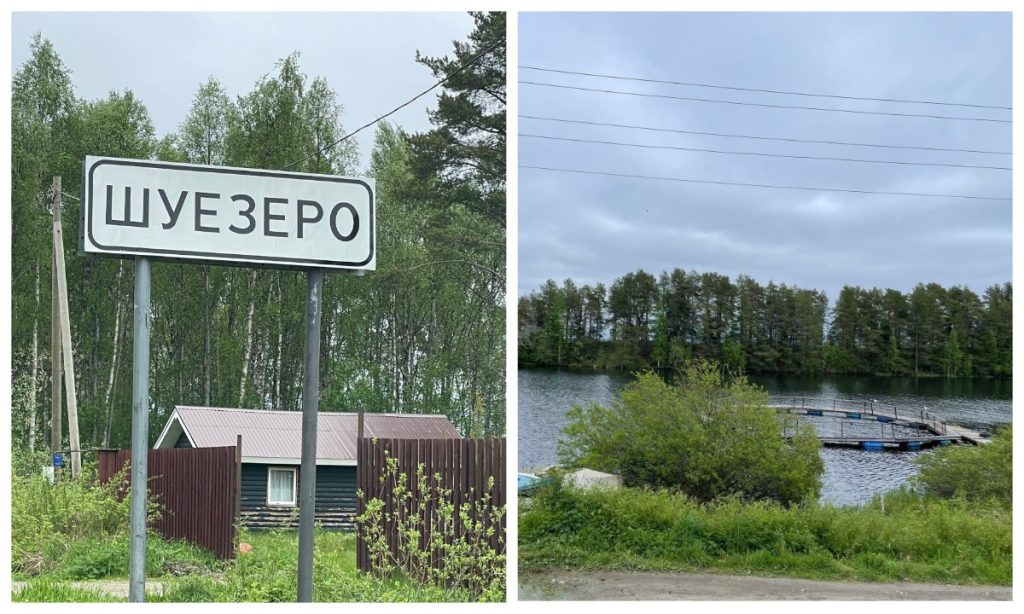
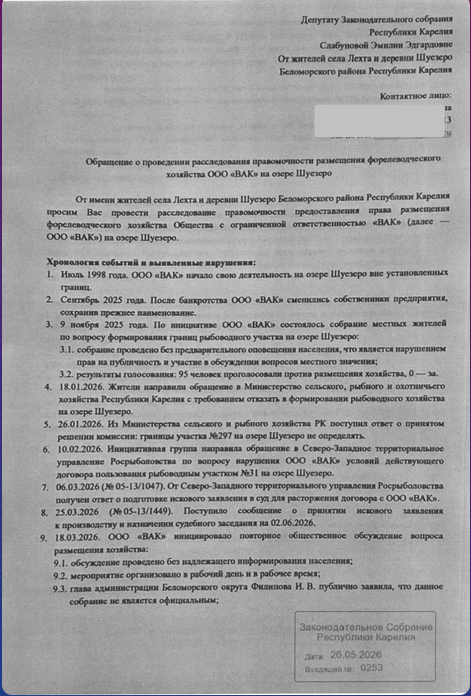
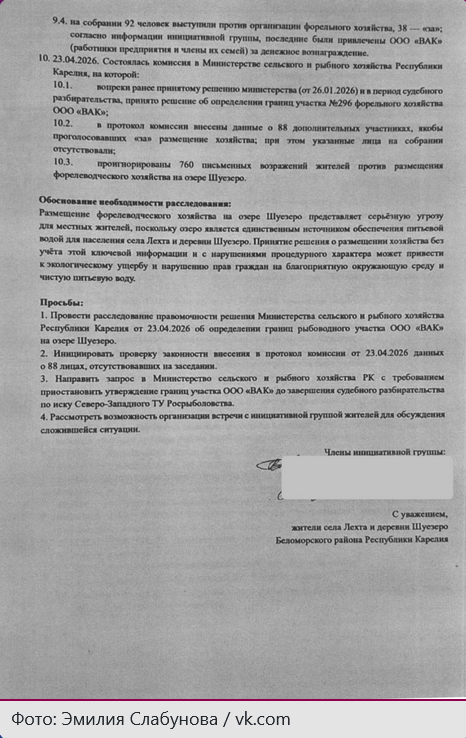
Residents opposed the expansion of the aquaculture site operated by LLC VAK. Nevertheless, the expanded boundaries were reportedly approved in April 2026 by a commission under Karelia’s Ministry of Agriculture.
Officials responded that the lake was not a source of centralised supply because no centralised supply system existed in the area. This reasoning is particularly concerning because it appears to disregard the lake’s practical role as the local population’s source of drinking water.
Assessment under the ICESCR
The overall situation in the affected settlements raises serious concerns regarding the State’s obligations under Articles 11 and 12 of the ICESCR.
General Comment No. 15 of the UN Committee on Economic, Social and Cultural Rights (CESCR), The Rights to Water, provides that the human right to water entitles everyone to water that is sufficient, safe, acceptable, physically accessible, and affordable for personal and domestic use. It further clarifies that water must be available in sufficient and continuous quantities for drinking, personal sanitation, washing clothes, preparing food, and maintaining personal and household hygiene.
Water used for these purposes must also be safe, including being free from micro-organisms, chemical substances, and other hazards that may threaten human health.
Against these standards, prolonged interruptions in water supply, dependence on delivered water, recurring pipeline failures due to insufficient maintenance, and the provision of substandard drinking water indicate that residents may not be enjoying the minimum essential elements of the right to water guaranteed under the Covenant. These conditions are also directly relevant to Article 12, as inadequate access to safe water increases risks to physical health and undermines the basic conditions necessary for hygiene and disease prevention.
General Comment No. 15 also states that the right to water includes both freedoms and entitlements. Relevant freedoms include protection from arbitrary disconnections and contamination of water supplies. Relevant entitlements include access to a system of water supply and management that provides equal opportunity for everyone to enjoy the right to water.
The Committee further emphasises that water should be treated as a social and cultural good rather than primarily as an economic commodity. This principle is especially relevant to rural settlements and communities without centralised water systems, where residents depend on local natural sources and properly maintained infrastructure to meet their basic needs.
General Comment No. 15 also provides that rural and deprived urban areas must have access to properly maintained water facilities and that traditional water sources in rural areas should be protected from unlawful encroachment and pollution.
Measured against these standards, repeated infrastructure failures, delayed repairs, threat to natural drinking-water sources, and the absence of clear evidence of adequate preventative maintenance may indicate a failure to take reasonable measures to ensure that water is safe, continuous, and accessible.
Taken together, the prolonged disruptions, deteriorating infrastructure, declining water quality, risks to water used by children, and threats to natural sources relied upon by rural communities may amount to violations of the rights protected under Articles 11 and 12 of the ICESCR.
Sources:
- https://ptzgovorit.ru/news/v-kurkieki-k-koncu-iyunya-dostavyat-materialy-dlya-vremennogo-vodoprovoda
- https://karelia.news/news/10221746/v-poselke-kurkieki-v-karelii-podpisali-kontrakt-na-sozdanie-vremennogo-vodoprovoda/
- https://petrozavodsk.bezformata.com/listnews/kurkiekah-bolee/161247720/?amp=1&
- https://nov-pitkaranta.ru/articles/26767-uvazaemye-ziteli-poselka-salmi
- https://mustoi.ru/ot-kurkieki-do-suoyarvi-avarii-iznoshennoe-oborudovanie-i-prizyvy-k-ponimaniyu/
- https://gubdaily.ru/news/v-poselke-karelii-ne-xvataet-vody-situaciya-kriticheskaya/
- https://rk.karelia.ru/accident/v-yanisyarvi-ustranyayut-avariyu-na-vodoprovode-i-menyayut-oborudovanie/
- https://karelinform.ru/news/2024-03-28/pochti-polovina-setey-v-karelii-okazalas-iznoshena-5021393?
- https://karel.mk.ru/social/2026/06/24/kareliya-voshla-v-top5-regionov-s-nekachestvennoy-vodoy-v-detskikh-uchrezhdeniyakh.html
- https://gubdaily.ru/news/zhiteli-poselka-v-karelii-riskuyut-ostatsya-bez-pitevoj-vody-iz-za-forelevodov/
- https://t.me/Slabunova/5773
- https://t.me/Slabunova/5777
- https://t.me/Slabunova/5795
- https://gubdaily.ru/news/zhiteli-poselka-v-karelii-riskuyut-ostatsya-bez-pitevoj-vody-iz-za-forelevodov/
Rise in parasitic diseases in Karelia
Statistics from Karelia’s 2025 sanitary and epidemiological report, published in June 2026, revealed a concerning rise in parasitic infections across the republic. Health authorities recorded 2,314 cases in 2025, representing a 17.6% increase compared with the previous year. Children and adolescents under the age of 17 accounted for 92.6% of all reported infections.
Enterobiasis, commonly known as pinworm infection, was the most frequently recorded diagnosis. Cases of giardiasis, ascariasis, and blastocystosis were also reported. The highest infection rates were registered in Äänislinna, Segezha District, Koštamuš (Kostomuksha), Pudozh District, and Kemi District (Kem District), indicating that the epidemiological situation was particularly serious in certain municipalities.
These figures point to a broader public-health problem requiring stronger prevention, screening, treatment and public-awareness measures. They also raise concerns about hygiene conditions, particularly in schools, kindergartens, households, and other settings involving close contact among children.
Although the authorities have issued guidance on preventing parasitic infections, compliance with such recommendations depends on access to clean water and adequate sanitation. Preventative measures such as regular handwashing, cleaning living spaces, laundering clothes and bedding, and safely preparing food cannot be carried out effectively when water supplies are unsafe, interrupted, or otherwise unreliable.
This concern is particularly relevant given that almost one-third of Karelia’s population is reportedly supplied with drinking water of inadequate quality. As documented previously in this report, residents in several settlements also experience prolonged interruptions in water supply and other infrastructure failures. Under such conditions, placing primary responsibility on individuals to maintain hygiene risks overlooking the structural factors that make disease prevention difficult or impossible.
The increase in parasitic infections therefore cannot be considered separately from Karelia’s broader problems involving water supply, sanitation, and deteriorating communal infrastructure. The disproportionate impact on children is especially concerning, as children are more dependent on adults and public institutions to ensure safe living, educational, and sanitary conditions.
The situation raises concerns under Article 12 of the ICESCR, which requires States to take measures for the prevention, treatment, and control of epidemic, endemic, occupational, and other diseases.
These obligations extend beyond issuing public-health instructions. They also require the State to address the underlying determinants of health, including access to safe water, adequate sanitation, hygienic living conditions, health information, and functioning public-health services.
Against this legal framework, the sharp rise in parasitic infections, particularly among children, may indicate shortcomings in the State’s efforts to prevent and control disease and to ensure the conditions necessary for effective prevention. Advising residents to improve hygiene, while failing to guarantee reliable access to safe water and sanitation, does not adequately address the structural causes that contribute to disease transmission.
Taken together, the epidemiological data and documented deficiencies in water and sanitation infrastructure suggest that the problem cannot be attributed solely to individual behaviour. They may indicate a failure to take sufficient measures to ensure access to water, sanitation, and other underlying determinants of health, as required under Articles 11 and 12 of the ICESCR.
Sources:
Inadequate prevention of tick-borne diseases raises public health concerns
The Republic of Karelia continues to experience widespread tick activity, posing a serious health risk to residents. Ticks in the region have been found to transmit the tick-borne encephalitis virus and the bacterium that causes borreliosis, commonly known as Lyme disease.
At the same time, the authorities have not provided sufficient access to free vaccination against tick-borne encephalitis. Only 20,000 free vaccine doses were allocated for children, while adults were not eligible for vaccination free of charge.
Although tick-borne encephalitis and Lyme disease may be classified as endemic or seasonally recurring diseases in Karelia, this does not diminish the State’s obligation to adopt necessary, timely, and proportionate public-health measures to prevent their transmission and avoid escalation to an epidemiological situation.
According to media reports, by 16 June 2026, authorities had registered 2,203 tick bites, including 476 involving children. Five cases of Lyme disease had been recorded, affecting four adults and one child. Seven cases of tick-borne encephalitis had also been registered, affecting five adults and two children.
Fragmented environmental treatment
Preventative measures taken in Karelia, appear to have been limited and uneven. Public areas, children’s camps, schools, and kindergartens have reportedly received acaricidal treatment intended to eliminate or reduce tick populations.
Most publicly available reports concern treatment carried out in the capital, Äänislinna. Some information also indicates that acaricidal treatment was conducted outside the capital, including in Sortavala, Pudozh, Sorokka, Kondupohju (Kondopoga), and likely Karhumäki (Medvezhyegorsk).
However, public reporting remains fragmented and does not demonstrate systematic, republic-wide coverage proportionate to the scale of the threat. In a region where tick-borne diseases are endemic and tick bites are reported across numerous administrative territories, fragmented acaricidal treatment may be insufficient to provide the population with adequate protection against infection.
A long-standing and foreseeable risk
Tick-borne diseases are neither new nor unexpected in Karelia. Scientific and public-health attention to ticks and tick-borne encephalitis in the region dates back at least to the 1950s. Modern surveillance data also show continuously registered tick bites and cases of tick-borne encephalitis from the 1990s onward.
The long-documented nature of the problem indicates that the authorities have had extensive knowledge of both the scale of the risk and its potential consequences for the population. The recurring and foreseeable character of tick-borne disease therefore strengthens the expectation that prevention should be systematic, adequately funded, and planned in advance rather than implemented through limited or fragmented seasonal measures.
Assessment under Article 12 of the ICESCR
The apparent failure to provide more substantial and coordinated preventative measures raises serious concerns under Article 12 of the ICESCR, which requires States to take the steps necessary for the prevention, treatment, and control of epidemic, endemic, occupational, and other diseases. In General Comment No. 14, the CESCR clarifies that the control of such diseases encompasses not only medical treatment, but also prevention and education programmes.
Measured against these standards, fragmented environmental treatment, limited and unequal access to vaccination, insufficiently transparent public information, and inadequate allocation of resources to address a foreseeable endemic health risk may indicate non-compliance with the State’s obligations under Article 12.
These concerns are heightened where insufficient investment in public-health prevention appears to result from political and budgetary priorities rather than genuine resource scarcity. This includes the allocation of substantial State resources to military aggression instead of measures aimed at protecting the health of the population. In assessing compliance with the Covenant, the availability of resources and the choices made in allocating them are therefore relevant.
Impact on children and obligations under the CRC
The effect of tick-borne diseases on children in Karelia also engages the State’s obligations under Article 24 of the Convention on the Rights of the Child (CRC), which recognises the child’s right to the highest attainable standard of health.
Children were among those exposed to tick bites and among the confirmed cases of both Lyme disease and tick-borne encephalitis. The State therefore has a heightened obligation to adopt effective and child-sensitive preventive measures.
Such measures should include the provision of sufficient, widely available, and affordable vaccination against tick-borne encephalitis, safe school and recreational environments, systematic acaricidal treatment, clear and accessible information for parents and children, and timely access to medical examination and treatment following a tick bite.
The central issue is not merely that tick-borne diseases exist in Karelia, but that the risk is long-standing, foreseeable, and well-known to the authorities. If children remain exposed to preventable harm because the State has failed to adopt coordinated, adequately funded, and child-sensitive public-health measures, this may amount to a failure to comply with its obligations under Article 24 of the CRC.
Sources:
- https://www.nature.com/articles/s41598-026-50087-z
- https://journals.plos.org/plosone/article?id=10.1371/journal.pone.0314385
- https://sampotv360.ru/2026/06/16/novye-sluchai-zarazheniya-kleshhevymi-infekcziyami-zaregistrirovany-v-karelii/
- https://karel.mk.ru/social/2026/04/07/vlasti-petrozavodska-ozvuchili-sroki-nachala-obrabotki-goroda-ot-kleshhey.html
- https://petrozavodsk.bezformata.com/listnews/petrozavodsk/159917248
- https://senatinform.ru/news/detsady_shkoly_i_ozdorovitelnye_lagerya_obyazany_provesti_obrabotku_ot_kleshchey_/
- https://rk.karelia.ru/social/obrabotku-parkov-ot-kleshhej-provedut-v-pudozhe
- https://myseldon.com/ru/news/index/345567720
- https://napopravku.ru/petrozavodsk/uslugi/privivka-ot-kleschevogo-entsefalita
- https://ptzgovorit.ru/news/vakcina-protiv-kleshchevogo-encefalita-v-karelii-dlya-izbrannyh?
Poor cemetery planning raises public-health and sanitation concerns
Reports published in June 2026 revealed concerns about the location, planning, and maintenance of cemeteries in the Republic of Karelia. In some cases, burial grounds appear to be situated on land potentially unsuitable for burials. In others, proposed burial areas are reportedly located close to residential buildings and bodies of water used for drinking and recreation.
Repeated flooding of the Koštamuš cemetery
In Koštamuš, media reports documented a persistent problem involving the flooding of the town cemetery. Residents described graves filling with water, subsiding, and sustaining visible damage, raising serious questions about whether the site is suitable for continued burials.
Local reporting attributed the problem to high groundwater levels, heavy rainfall, inadequate drainage, and difficult soil conditions. These factors suggest that the flooding is not an isolated event but a recurring failure of cemetery planning and maintenance.
The situation has caused significant distress among residents. Some reportedly stated that they would prefer cremation, rather than burial in waterlogged ground. In addition to the emotional impact on relatives of those buried at the cemetery, the recurring flooding raises broader sanitation and public-health concerns relating to groundwater, soil permeability, drainage, and the adequacy of official oversight.
Repeated reports on graves filling with water suggest that the cemetery may be affected by high groundwater, unsuitable soil, or insufficient drainage infrastructure. Where graves are repeatedly waterlogged, there may be a risk that products of decomposition migrate through the soil and potentially enter groundwater, particularly where the ground is highly permeable or drainage systems are inadequate.
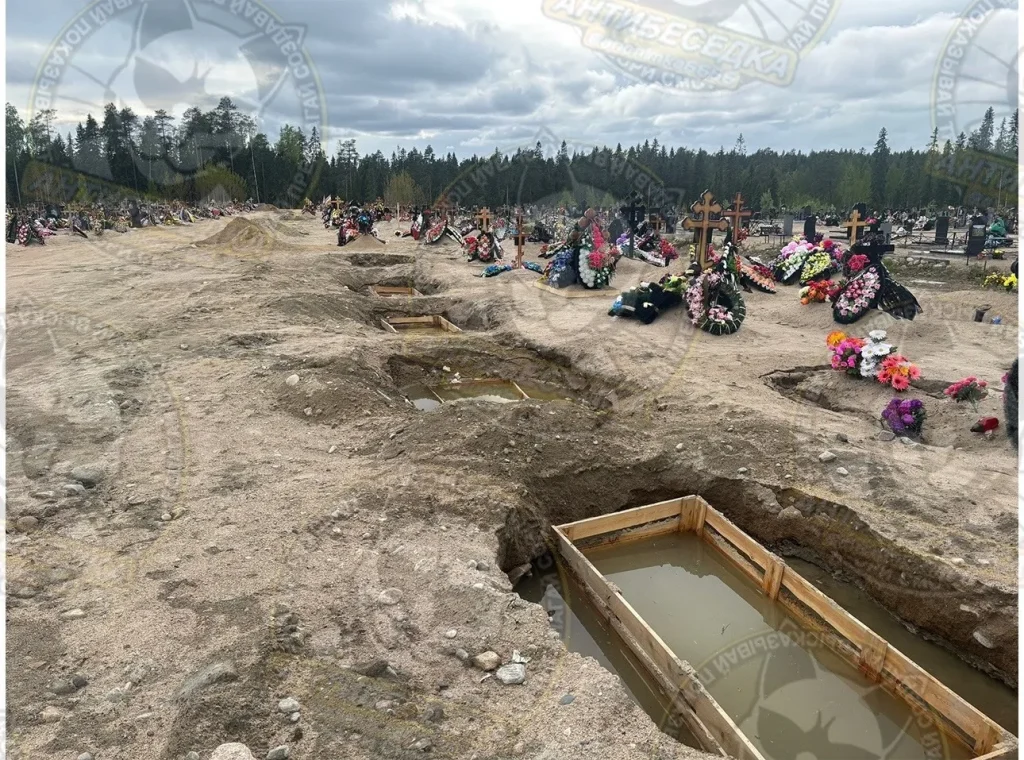
No contamination has been publicly established. Nevertheless, the visible and recurring flooding indicates that the burial ground may not be functioning in a manner consistent with appropriate sanitary and environmental standards.
Proposed burial area near homes and the Kitenjoki river
In Hotinlahti, residents raised concerns about reports that land was being cleared for burials close to residential homes, a school-bus stop, and the Kitenjoki River.
According to local accounts, the site is located approximately 40-60 metres from residential buildings. Residents stated that the nearby river is used as a source of drinking water and for recreation, including by children during the summer months.
Residents argued that the works constituted an expansion of the cemetery and should therefore comply with applicable sanitary, environmental, planning, and water-protection requirements, including safeguards for nearby homes and water sources.
Local authorities reportedly characterised the works as maintenance or improvement of an existing cemetery rather than the establishment or expansion of a burial site. This distinction is significant. If the works involve the addition of new land for burials, the project may be subject to stricter sanitary review, environmental assessment, planning requirements, and public justification.
If burials are permitted close to residential areas or water sources without an adequate hydrological assessment, drainage plan, and sanitary safeguards, residents may face potential environmental-health risks. The absence of transparent information may also undermine public confidence in the safety of the local water supply and living environment.
The dispute therefore concerns not only land use and cemetery administration, but also public health, access to safe water, transparency in decision-making, and respect for residents’ living conditions.
Broader failures in cemetery planning and oversight
The cases in Koštamuš and Hotinlahti both concern the interaction between burial sites, groundwater, soil conditions, water sources, and nearby human settlements.
In Koštamuš, repeated flooding points to possible failures in site selection, drainage, maintenance, or long-term planning. In Hotinlahti, the reported proximity of a proposed burial area to homes and a river used for drinking and recreation raises concerns about whether adequate preventive assessments and safeguards were put in place before the works began.
Taken together, the two cases may indicate broader weaknesses in cemetery planning, sanitary oversight, environmental-risk assessment, and transparent public decision-making rather than isolated maintenance problems.
Assessment under international human rights law
These circumstances raise concerns under Article 12 of the ICESCR, which recognises the right of everyone to the highest attainable standard of physical and mental health. The CESCR has clarified that the right to health extends to underlying determinants of health, including safe drinking water, adequate sanitation, and a healthy environment.
Where the location, expansion, or operation of a cemetery creates a foreseeable risk for contaminating groundwater or surface water, or exposes residents to unsafe sanitary conditions, the authorities may have an obligation to assess, prevent, investigate, and remedy that risk. This requires more than temporary maintenance measures and may include appropriate site selection, hydrological and environmental assessment, drainage infrastructure, regular monitoring, public disclosure, and effective remedies.
Where children are affected, including through the proximity of burial sites to homes, school-bus stops, or rivers used for drinking and recreation, Article 24 of the CRC is also relevant. The provision recognises the child’s right to the highest attainable standard of health and requires States to take appropriate measures to address environmental pollution and other threats to children’s health.
The reported circumstances are also relevant to the right to a clean, healthy, and sustainable environment recognised by UN General Assembly Resolution 76/300. This is particularly so where communities may be exposed to environmental-health risks without adequate assessment, transparent information, meaningful participation, or access to an effective remedy.
Taken together, the recurring flooding of graves in Koštamuš and the reported clearing of burial land near homes and a water source in Hotinlahti may indicate failures to adopt adequate preventive, sanitary, environmental, and participatory safeguards. If the identified risks are not properly assessed and addressed, the authorities may be failing to protect residents’ rights to health, safe water, adequate living conditions, and a healthy environment.
Sources:
- https://mustoi.ru/luchshe-sozhgite-chem-tak-shokiruyushhie-foto-na-kladbishhe-v-kostomukshe/
- https://karel.aif.ru/society/vlasti-kostomukshi-rabotayut-nad-resheniem-problemy-s-zatoplennym-kladbishchem
- https://64parallel.ru/gorod/vse-rasplyvaetsya/
- https://gubdaily.ru/news/v-karelskom-poselke-kladbishhe-priblizhaetsya-k-zhilym-domam/
- https://karelia.news/news/10220845/kladbishhe-v-karelskom-poselke-blagoustroili-zakryvat-ego-ne-planiruyut/
- https://t.me/slabunova/5760
- https://t.me/slabunova/5769
Expired medicines improperly stored amid shortages of subsidised drugs
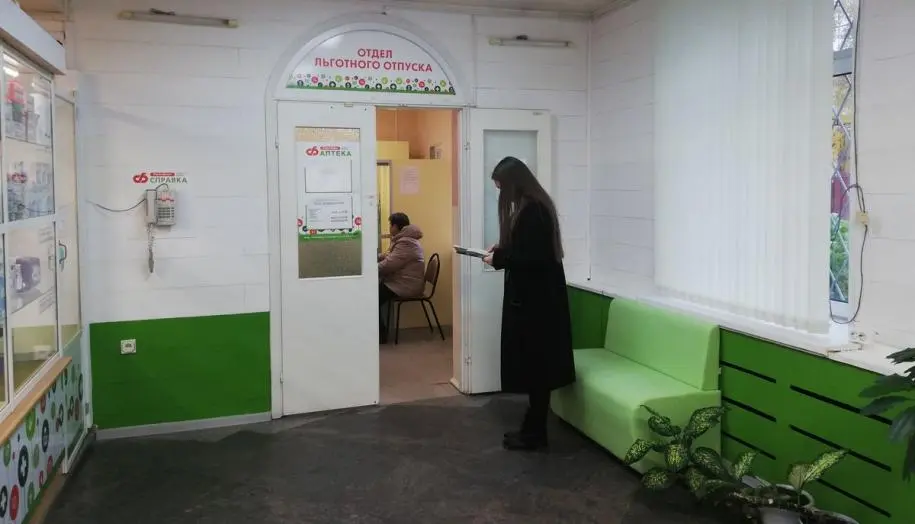
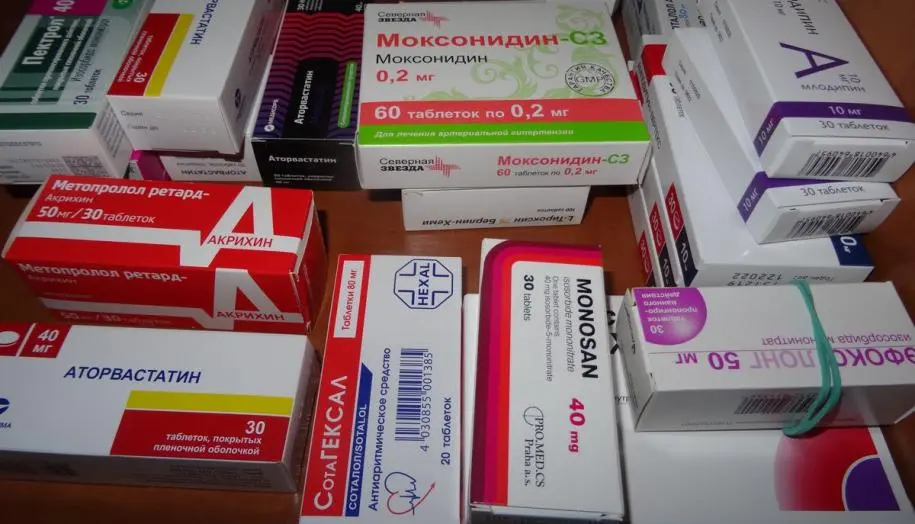
In June 2026, it was revealed that a large quantity of expired medicines had been stored in warehouses in Karelia instead of being properly disposed of. The medicines had reportedly been intended for subsidised patients, including recipients who depend on the regional healthcare system for essential treatment.
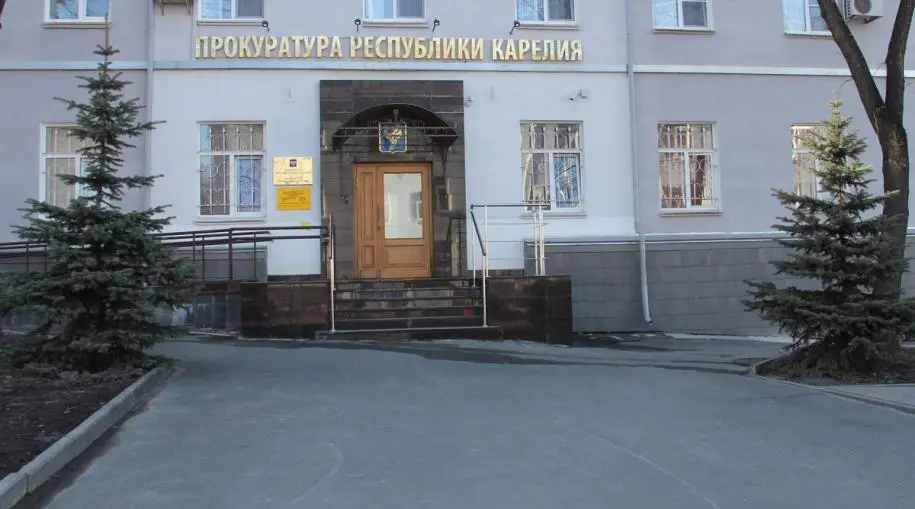
According to local reporting, prosecutors in Äänislinna confirmed that expired medicines were being stored at facilities linked to Karelfarm. The total value of the stock was estimated at approximately 15-20 million roubles, and some of the medicines had reportedly expired before 2022.
The issue was first raised publicly by Sergey Romanov, the former head of a Resource Center under Karelia’s Ministry of Health. Romanov alleged that the ministry had attempted to conceal the scale of the problem rather than address it transparently. He further claimed that, in autumn 2024, part of the expired stock had been transferred from Karelfarm warehouses to a palliative care centre.
A related incident was reported at a warehouse in Lahdenkylä (Spasskaya Guba), where antidotes worth approximately 900,000 roubles were written off after reaching their expiration date, despite earlier warnings from staff.
Following an inspection, the prosecutor’s office reportedly issued a formal representation to Karelia’s Ministry of Health and referred materials to the Investigative Committee for further assessment.
The case attracted particular concern because it appears to involve two interconnected failures: the waste of publicly funded medicines and the continuing difficulties experienced by subsidised patients in obtaining necessary treatment.
Medicine waste amid continuing shortages
The discovery is especially serious because Karelia is already experiencing shortages of subsidised medicines. Many residents who are legally entitled to free or discounted drugs depend on the regional healthcare system for essential treatment. However, repeated reports indicate that patients frequently struggle to obtain prescribed medicines on time.
In this setting, the storage and eventual expiry of medicines worth millions of roubles is not merely an administrative or logistical failure. It also undermines public trust in the healthcare system and raises questions about whether publicly funded resources are being managed according to patients’ actual needs.
The situation suggests significant failures in procurement, planning, stock management, and distribution. While some medicines remained unused until they expired, patients elsewhere in the system were reportedly waiting for subsidised treatment.
This contrast is particularly damaging because resources intended to support vulnerable patients were left in storage while shortages continued. For people with chronic, serious, or life-threatening conditions, delayed access to medicines may worsen health outcomes, interrupt treatment, and force patients or their families to purchase costly alternatives privately. The case therefore points to a broader structural problem rather than an isolated failure of warehouse management.
Assessment under the ICESCR
The situation raises serious concerns under Article 12 of the ICESCR. The right to health is not limited to formal access to hospitals or the existence of a healthcare system. It also requires the practical availability and accessibility of essential health goods, including medicines.
In paragraph 43(d) of General Comment No. 14, the CESCR identifies the provision of essential medicines, as defined from time to time under the World Health Organization’s relevant programme, as one of the minimum core obligations arising under Article 12.
The reported storage and expiry of medicines intended for subsidised patients, particularly in a region already experiencing shortages, therefore raises serious concerns regarding compliance with the minimum core content of the right to health.
The facts may indicate that the authorities failed to ensure the availability, timely distribution, and effective use of medicines purchased with public funds. The loss of medicines through expiry may also suggest that available public resources were not used effectively to realise the right to health.
Sources:
- https://ptzgovorit.ru/shortread/poka-lgotniki-zhdut-lekarstv-oni-gniyut-na-sklade
- https://ptzgovorit.ru/shortread/ugroza-zhizni-i-zdorovyu-deficit-lekarstv-dlya-lgotnikov-narastaet
- https://gubdaily.ru/news/v-minzdrave-karelii-rasskazali-pochemu-na-skladax-isportilis-lekarstva-dlya-lgotnikov-na-milliony-rublej
- https://karelia.rbc.ru/karelia/19/11/2025/691d75319a79474e4ad1e430
Proposal to lower the minimum working age raises child-protection concerns
In June 2026, public discussion emerged around a proposal to lower the age at which children may legally begin working. The proposal was put forward by Moscow’s Commissioner for Children’s Rights, Olga Yaroslavskaya, who argued that many children from the age of 12 want to work during the summer.
However, using children’s stated interest in earning money as a basis for changing labour law risks overlooking the wider child-protection concerns involved.
Proposed expansion of “light work”
The discussion appears to concern “light work” during school holidays rather than full-time employment. Under the current labour law of the Russian Federation, children from the age of 14 may already perform light work with parental consent, provided that the work does not harm their health or interfere with their education. The proposed change would extend this possibility to children as young as 12.
Supporters may describe such employment as temporary summer work involving summer assistance, low-risk tasks, or short-term jobs considered suitable for minors. However, the exact limits of the permitted work, working hours, supervision arrangements, safety requirements, and enforcement mechanisms would be decisive.
Without strict safeguards, even work classified as “light” may create opportunities for pressure, exploitation, excessive hours, or unsafe conditions.
Socio-economic pressures on families in Karelia
For Karelia, the proposal should be considered against the region’s broader socio-economic conditions. Although official data indicate some income growth, many households continue to face material pressure.
In Karelia, household financial security cannot be assessed solely through nominal income growth or official subsistence figures. The relevant question is whether families’ total monthly income is sufficient to cover their regular expenses, including housing, utilities, food, transport, medicines, clothing, education, and children’s needs.
Although official income indicators may show improvement, rising living costs can absorb much or all of that increase. Rent in Äänislinna may take up a substantial share of household income, while food prices, utility charges, transport costs, and other essential expenses continue to place pressure on family budgets. As a result, households whose income formally exceeds the subsistence minimum may still have little money remaining after meeting basic monthly needs.
Risk that economic pressure will replace genuine choice
The aforementioned conditions are relevant because lowering the minimum working age may encourage children to enter the labour market not solely out of interest or a desire for independence, but in response to household financial pressure.
For a child aged 12 or 13, even limited earnings may appear to provide a way to help the family or obtain goods and experiences that the household cannot otherwise afford.
It is also important to consider that children of this age are generally less able than adults to understand labour rights, recognise exploitation, negotiate working conditions, or establish boundaries with employers. Work presented as voluntary and “light” may therefore become coercive or harmful in practice, particularly where families view a child’s earnings as a means of coping with financial hardship.
The central issue is not whether some children may want to earn money during the summer, but whether that choice is genuinely free. In economically vulnerable households, the distinction between voluntary work and pressure to contribute to family income may become difficult to maintain.
Risks to education, health, and development
Research on child labour supports these concerns. UNICEF has reported that children from poorer households are more likely to become involved in child labour and that such work is associated with weaker school attendance and poorer learning outcomes.
UNICEF has also observed that poverty may lead families to prioritise children’s short-term earnings over the longer-term value of education. This is particularly relevant to Karelia, where the normalisation of child employment as a response to poverty could gradually reduce the perceived importance of education while making income generation a more immediate priority.
The risks extend beyond individual cases of exploitation. Children who begin working at an earlier age, particularly those from poorer families, may have less time and energy for education, rest, play, social relationships, and personal development. Moreover, studies have associated child labour with adverse effects on education, mental health, and socio-emotional development, including anxiety, depression, reduced peer support, and fewer opportunities for learning and participation.
Over time, these effects could deepen inequality between children from lower-income and wealthier households. Children from financially secure families may be able to focus on education and development, while children from poorer households may be expected to contribute economically at an earlier age.
This, in turn, could worsen educational disparities and reinforce Karelia’s position as a source of low-paid labour rather than a region investing in children’s knowledge, skills, and future opportunities.
Gradual weakening of child-protective standards
Public discussion of lowering the minimum working age does not, in itself, constitute a violation of children’s rights. It nevertheless raises serious concerns about the possible gradual weakening of existing child-protection standards.
If formal employment for children as young as 12 becomes normalised, the boundary between age-appropriate responsibility and economic exploitation may become increasingly difficult to preserve. This is especially concerning for socio-economically vulnerable regions such as Karelia, where children may seek employment not simply out of curiosity, but out of pressure to support their household or obtain ordinary goods their families cannot easily afford.
For many children, the desire to earn money may concern basic aspects of childhood and adolescence rather than luxury consumption. These may include pocket money, snacks, suitable clothing and shoes, hobbies, social activities, and participation in ordinary peer life. However, children should not feel obliged to enter the labour market in order to access these basic elements of growing up.
A rights-based policy response
A rights-based approach would focus not on making younger children legally available for work, but on addressing the social and economic conditions that may cause them to feel that employment is necessary.
Responsibility should remain with adults, public institutions, and the State to improve families’ living conditions. Relevant measures include ensuring adequate wages, strengthening social assistance, reducing household poverty, and supporting parents and caregivers in meeting children’s needs.
Lowering the minimum working age risks treating childhood as a reserve source of labour rather than addressing the economic pressures affecting families. Any reform in this area should therefore be assessed not only by whether children are formally willing to work, but also by whether employment would undermine their rights and long-term development.
Sources:
- https://stolicaonego.ru/news/v-karelii-otreagirovali-na-predlozhenie-razreshit-detjam-rabotat-s-12-let/
- https://potrebkor.ru/minimum-kareliia.html
- https://karelinform.ru/news/2026-01-13/zhiteli-karelii-vozmuscheny-rezkim-rostom-kommunalnyh-platezhey-5535167
- https://karelinform.ru/news/2026-03-15/ovoschi-v-karelii-podorozhali-na-22-s-nachala-goda-5563871?
- https://gubdaily.ru/news/kareliya-zanyala-nizkoe-mesto-v-rejtinge-blagosostoyaniya-semej/
- https://www.ilo.org/sites/default/files/2025-05/2004_stat_impact_en.pdf?
- https://data.unicef.org/data-for-action/digging-deeper-with-data-child-labour-and-learning
- https://data.unicef.org/wp-content/uploads/2015/12/Child_labour_school_FHuebler_2008_89.pdf
Conclusion
Although the cases documented in this report concern different areas of public life, including water supply, sanitation, waste management, disease prevention, environmental safety and access to medicines, they share a common feature: the failure to take adequate preventive measures before foreseeable problems developed into prolonged threats to health and living conditions.
Some of these difficulties have undoubtedly been aggravated by the Russian Federation’s current political and budgetary priorities, particularly the diversion of substantial public resources towards its war of aggression against Ukraine. However, the problems facing Karelia cannot be explained by recent foreign policy alone. According to local activists and previous reporting, many of the failures described in this report have persisted for more than a decade. Deteriorating infrastructure, recurring shortages, inadequate maintenance, weak oversight, and delayed modernisation indicate a longer pattern of neglect in meeting the population’s basic needs. Had timely and sufficient measures been taken, many of the present problems could have been prevented or at minimum substantially reduced in scale and severity.
The situation is further worsened by the apparent decision of regional and federal authorities to prioritise military expenditure over investment in public health, infrastructure, and essential services. Unless this pattern is reversed, residents of Karelia are likely to face increasingly difficult living conditions and greater risks to their health, safety, and dignity. Effective compliance with Article 12 therefore requires more than temporary responses to individual crises. It requires sustained investment, preventive planning, transparent oversight, and the use of available resources to ensure that essential systems function before failures place the population at risk.
Researched and prepared by:
Jana Tiihonen (Bystrova)