Human Rights Violations Report in the Republic of Chuvashia
Ombudsman of Chuvashia, Commissioner for Human Rights
Oreshnikov Mikhail
March 2026
In March, independent media and the Telegram channel “Angry Chuvashia” published materials about the ongoing war, restrictions on freedom of information, and the state of the healthcare system in Chuvashia.
1. Deaths of natives of Chuvashia in the war
The channel published a series of reports about the deaths of military personnel from Chuvashia, including a 21-year-old graduate of a cadet corps. The authors of the publications linked these cases to the spread of military-patriotic education and criticised the involvement of young people in a militarised environment.
Legal analysis
If minors are involved in military events that have the character of preparation for military service or propaganda of participation in an armed conflict, this may affect:
• Article 38 of the UN Convention on the Rights of the Child (protection of children in situations of armed conflict);
• Article 29 of the Convention on the Rights of the Child (education shall be directed to the development of the child’s personality, respect for human rights and peace);
• Articles 17 and 43 of the Constitution of the Russian Federation (human rights and the right to education).
It should be noted that the mere fact of studying in a cadet corps does not constitute a violation of international law. Violations may arise in the presence of coercion, involvement of minors in military propaganda, or the use of children in events related to an armed conflict. Such conclusions require an analysis of each specific case.
Category: militarisation of minors.
2. Case against a Chuvash media outlet over VPN advertising
On 12 March it became known that the Federal Antimonopoly Service (FAS) had initiated a case against a Chuvash media outlet in connection with the publication of an advertisement for a VPN service in Telegram. According to independent media, this was the first known such case in Russia.
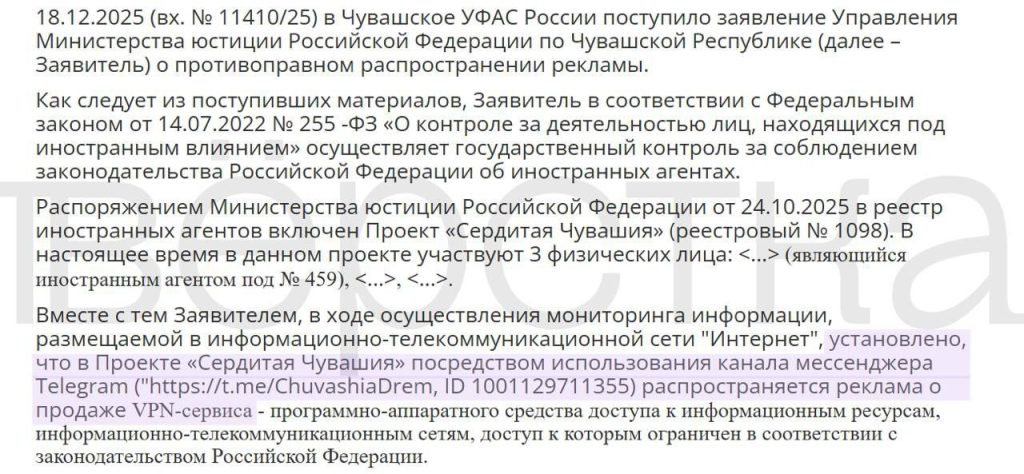
Links: https://zona.media/news/2026/03/12/vpn-chuvashia https://semnasem.org/news/2026/03/12/fas-vozbudila-delo-protiv-chuvashskogo-media-iz-za-reklamy-vpn-v-telegram-eto-pervyj-izvestnyj-sluchaj-v-rossii
Legal analysis
This episode may affect:
• Article 19 of the Universal Declaration of Human Rights;
• Article 19 of the International Covenant on Civil and Political Rights (freedom of expression and dissemination of information);
• Article 29 of the Constitution of the Russian Federation (freedom of thought and speech).
Such a practice may create a restrictive effect for independent media and the dissemination of information.
Category: possible restriction of freedom of speech and freedom of information.
3. Solo picket against the “optimisation” of medicine
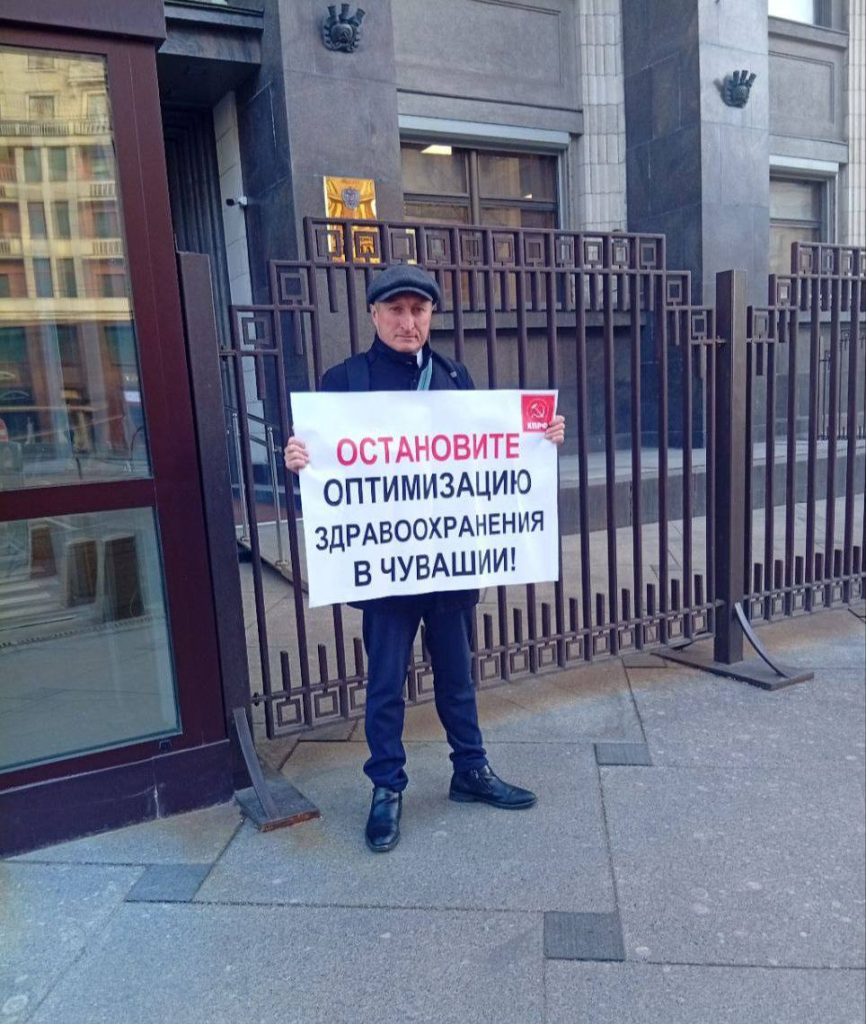
On 20 March a deputy from Chuvashia held a solo picket near the building of the State Duma against the “optimisation” of the healthcare system, which consists of reducing the number of feldsher stations and medical institutions.
Legal analysis
If the holding of a peaceful action was not accompanied by unlawful interference by the state, this in itself demonstrates the exercise of the right to freedom of expression.
If there was pressure from state bodies, the following could have been affected:
• Article 21 of the International Covenant on Civil and Political Rights (freedom of peaceful assembly);
• Article 31 of the Constitution of the Russian Federation;
• Article 41 of the Constitution of the Russian Federation (right to health protection) — in the context of the subject of the protest.
For final conclusions, information is needed about the reaction of law-enforcement bodies and the authorities.
Category: public protest, right to peaceful assembly, right to health protection.
Overall conclusion for March
The materials of the month reflect three persistent themes: • continuing human losses among residents of Chuvashia in the course of the war; • possible intensification of the militarisation of youth; • pressure on freedom of dissemination of information; • public protests against the deterioration of access to medical care.